Table of Contents >> Show >> Hide
- What Is Stress Sickness?
- How Stress Talks to the Immune System
- Short-Term Stress vs. Chronic Stress
- Why Stress Can Make You Feel Sick
- Can Stress Cause a Cold?
- Stress and Autoimmune Flare-Ups
- Stress, Vaccines, and Recovery
- How to Support Your Immune System During Stress
- What Not to Do When Stress Makes You Feel Sick
- Everyday Examples of Stress Sickness
- A Practical 7-Day Stress and Immune Reset
- Experience-Based Reflections: Living Through Stress Sickness
- Conclusion
Stress sickness sounds like something your body invents when your inbox reaches 4,000 unread emails and your coffee has gone cold for the third time. But it is not imaginary. Stress can influence how your immune system works, how often you feel run-down, how quickly you recover, and why your body sometimes seems to wave a tiny white flag right after a difficult week.
The immune system is your body’s defense team. It identifies germs, repairs damage, coordinates inflammation, and remembers past invaders so it can respond faster next time. Stress, meanwhile, is your body’s alarm system. In small bursts, it can be useful. It helps you focus before a test, react quickly in traffic, or meet an urgent deadline. The trouble begins when that alarm does not turn off. Chronic stress keeps the body in a prolonged state of alert, and that can make the immune system less balanced over time.
This article explains the connection between stress and immunity in plain English: what happens biologically, why stress may make you feel sick, which symptoms to watch for, and how to support your body without chasing miracle cures, magic gummies, or wellness advice that sounds like it was written by a scented candle.
What Is Stress Sickness?
Stress sickness refers to physical symptoms or frequent illness that seem to appear during or after periods of intense emotional, mental, or physical stress. It is not a single medical diagnosis. Instead, it is a practical way to describe how stress can show up in the body.
For some people, stress sickness feels like catching every cold that passes through the room. For others, it may look like fatigue, headaches, digestive issues, body aches, poor sleep, flare-ups of existing conditions, or that heavy “I am not technically sick, but I definitely do not feel right” feeling.
Common Signs Stress May Be Affecting Your Body
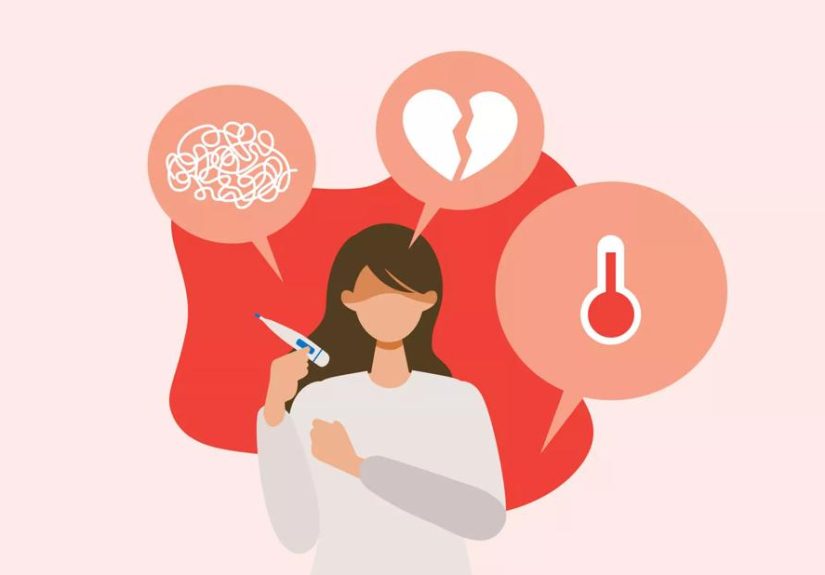
Stress affects people differently, but common physical signs may include:
- Feeling tired even after resting
- Getting colds more often than usual
- Slow recovery after illness
- Headaches, muscle tension, or jaw tightness
- Stomach discomfort, nausea, or changes in appetite
- Sleep problems, including waking up during the night
- Irritability, worry, low mood, or trouble concentrating
- Skin flare-ups, cold sores, or other stress-triggered symptoms
These symptoms do not always mean stress is the only cause. Infections, allergies, medical conditions, medications, diet, sleep disorders, and hormone changes can also play a role. But when symptoms follow a stressful season, stress may be one important piece of the puzzle.
How Stress Talks to the Immune System
The stress response begins in the brain. When your brain senses a threat, it activates the sympathetic nervous system and the hypothalamic-pituitary-adrenal axis, often called the HPA axis. That is a very official name for the body’s “sound the alarm and prepare for action” system.
This response releases stress hormones such as adrenaline and cortisol. Adrenaline increases heart rate and energy availability. Cortisol helps regulate inflammation, blood sugar, metabolism, and immune activity. In a short-term emergency, this can be helpful. Your body redirects energy toward survival, focus, and quick reaction.
The problem is not cortisol itself. Cortisol is not a villain wearing a cape and laughing in a thunderstorm. It is necessary for health. The issue is prolonged exposure. When stress continues for weeks or months, the body may stay flooded with stress signals. Over time, that can disrupt immune balance, increase inflammation, and reduce the efficiency of immune defense.
Short-Term Stress vs. Chronic Stress
Not all stress affects immunity the same way. Short-term stress and chronic stress can have very different effects.
Short-Term Stress Can Temporarily Sharpen the Body
Acute stress is brief. It may happen before a presentation, during a near-miss on the road, or when you realize you forgot your password and the reset email has gone on vacation. In these situations, the immune system may temporarily become more alert. The body prepares for possible injury or infection, which makes sense from an evolutionary point of view.
Chronic Stress Can Wear the System Down
Chronic stress is different. It lingers. It may come from ongoing financial pressure, caregiving responsibilities, conflict, academic or work overload, loneliness, lack of sleep, unsafe environments, or constant uncertainty. When stress becomes a daily background noise, the immune system may become less responsive in some ways and overactive in others.
That imbalance matters. A weakened immune response may make it harder to fight viruses and other infections. At the same time, chronic inflammation may rise, contributing to fatigue, aches, and a higher long-term risk of health problems. In simple terms, chronic stress can make your immune system both tired and cranky, which is not exactly the dream team.
Why Stress Can Make You Feel Sick
Stress can make people feel sick through several overlapping pathways. These include immune suppression, inflammation, sleep disruption, gut changes, and behavior changes.
1. Stress Hormones Can Suppress Immune Defenses
When cortisol remains elevated for too long, immune cells may not work as effectively. Chronic stress has been linked with reduced activity of certain protective immune cells, including lymphocytes and natural killer cells. These cells help detect and fight viruses and abnormal cells. When their function drops, the body may become less efficient at responding to infections.
This does not mean one bad day will automatically give you the flu. The body is more complicated than that. But repeated stress, poor sleep, and inadequate recovery can create conditions where infections become easier to catch and harder to shake.
2. Stress Can Increase Low-Grade Inflammation
Inflammation is part of healing. If you cut your finger, inflammation helps clean up damage and begin repair. But chronic low-grade inflammation is different. It is like leaving the porch light on all night, every night, then wondering why the electric bill looks offended.
Long-term stress may contribute to inflammatory signaling in the body. This can affect energy, mood, pain sensitivity, digestion, and overall health. Chronic inflammation is also associated with many long-term conditions, including cardiovascular disease, metabolic problems, and autoimmune-related issues. Stress is not the only cause, but it can be an important contributor.
3. Stress Disrupts Sleep, and Sleep Supports Immunity
Sleep is not just downtime. It is repair time, memory time, hormone-balancing time, and immune-system housekeeping time. During quality sleep, the immune system coordinates important functions, including the production and regulation of immune cells and signaling proteins.
Stress can make sleep harder by keeping the brain alert at night. You may lie down exhausted, only for your mind to open a 17-tab browser featuring tomorrow’s responsibilities, last year’s awkward conversation, and a random question about whether penguins have knees. Poor sleep then increases stress sensitivity the next day, creating a loop: stress hurts sleep, poor sleep worsens stress, and immunity gets caught in the middle.
4. Stress Can Affect the Gut-Immune Connection
A large part of immune activity is connected to the gut. The gut contains immune cells, bacteria, and chemical messengers that interact with the brain and body. Stress can influence digestion, gut movement, appetite, and the gut microbiome. That is why some people experience stomach pain, nausea, diarrhea, constipation, or appetite swings during stressful periods.
The gut-brain-immune connection is an active area of research. What is clear is that stress does not stay neatly in your thoughts. It can travel through nerves, hormones, immune signals, and daily habits, eventually showing up in the stomach like an uninvited guest who brought snacks nobody asked for.
5. Stress Changes Health Behaviors
When life gets overwhelming, healthy routines are often the first things to disappear. People may sleep less, move less, eat more ultra-processed foods, skip meals, drink more caffeine, isolate socially, or delay medical care. These behavior changes can weaken immune resilience.
Stress also makes motivation harder. It is difficult to cook a balanced meal when your brain feels like a smoke alarm. It is harder to exercise when you are exhausted. It is harder to rest when guilt keeps whispering that productivity is a personality trait. Supporting immunity means addressing both biology and behavior.
Can Stress Cause a Cold?
Stress does not directly create cold viruses. You still need exposure to a virus to catch a cold. However, stress may increase your vulnerability by weakening certain immune defenses, disrupting sleep, and changing routines that normally protect health.
Think of your immune system like a security team. Stress does not manufacture the intruder, but it may leave the team understaffed, under-rested, and arguing over who forgot to lock the side door. The result is a higher chance that germs get through.
Stress and Autoimmune Flare-Ups
People with autoimmune conditions often report that stress can worsen symptoms or contribute to flare-ups. Autoimmune diseases happen when the immune system mistakenly attacks the body’s own tissues. Stress may influence immune regulation and inflammation, which can affect symptom patterns.
However, stress should not be framed as the sole cause of autoimmune disease. Genetics, environment, infections, hormones, and other immune factors may all be involved. Blaming stress alone is inaccurate and unfair. A better approach is to see stress management as one supportive tool, not a substitute for medical care.
Stress, Vaccines, and Recovery
Research suggests that stress and poor sleep may influence how strongly the body responds to vaccines and how efficiently it recovers from illness. That does not mean vaccines “do not work” if you are stressed. It means your overall health context matters. Sleep, nutrition, physical activity, and stress management all help the immune system do its job.
If you are preparing for a vaccine, recovering from an infection, or trying to avoid getting sick during a demanding season, focus on the basics: sleep, hydration, balanced meals, gentle movement, and realistic stress reduction. The basics are not glamorous, but neither is being taken down by a cold because you tried to survive the week on coffee, chaos, and three crackers.
How to Support Your Immune System During Stress
You cannot remove every stressor from life. Bills exist. Deadlines exist. Group projects exist, and somehow one person always “forgets” their part. But you can reduce the body’s stress load and improve recovery.
Prioritize Sleep Like It Is Medicine
Aim for consistent, adequate sleep. Most adults need about seven or more hours per night, though individual needs vary. Helpful sleep habits include keeping a regular bedtime, reducing late-night screen stimulation, limiting caffeine later in the day, and creating a cool, dark, quiet sleep environment.
If your brain becomes loud at bedtime, try a “worry parking lot.” Write down tomorrow’s tasks, concerns, and reminders before bed. This tells your brain, “We saved the file. You may stop auto-refreshing now.”
Move Your Body, But Do Not Punish It
Regular physical activity helps reduce anxiety, improve sleep, support heart health, and strengthen overall resilience. Moderate movement such as walking, cycling, swimming, dancing, gardening, or strength training can help regulate stress hormones.
The key is balance. Exercise should support recovery, not become another form of stress overload. If you are already exhausted or sick, choose gentle movement or rest. Your body is not a machine that runs better when yelled at.
Eat for Stability, Not Perfection
Nutrition supports immune function, but you do not need a perfect diet. Focus on regular meals with protein, fiber-rich carbohydrates, healthy fats, fruits, vegetables, and enough fluids. Foods such as beans, lentils, yogurt, nuts, fish, eggs, whole grains, leafy greens, berries, citrus, and colorful vegetables can support overall health.
Try to avoid the all-or-nothing trap. A stressful day with pizza does not ruin your immune system. A long-term pattern of poor nutrition, low sleep, and high stress is the bigger concern. Consistency beats perfection.
Practice Simple Stress-Reset Techniques
Stress management does not require a silent mountain retreat or a $90 candle named “Executive Calm.” Small practices can help shift the nervous system toward recovery:
- Take slow breaths, extending the exhale longer than the inhale.
- Step outside for sunlight and fresh air.
- Do a five-minute stretch break.
- Write down what is stressing you and what is actually within your control.
- Use mindfulness, prayer, meditation, or quiet reflection if it fits your life.
- Talk to someone supportive instead of carrying everything alone.
Protect Social Connection
Loneliness and chronic stress can reinforce each other. Supportive relationships help regulate stress and improve coping. A short conversation, a walk with a friend, a family meal, or a message to someone you trust can help the nervous system feel safer.
You do not need a giant social circle. You need a few reliable points of connection. Even one honest “I am having a rough week” can reduce the feeling that you are fighting the entire universe with a plastic spoon.
Know When to Get Professional Help
If stress feels constant, interferes with daily life, causes panic, worsens health symptoms, or makes it difficult to sleep, eat, study, work, or maintain relationships, it is wise to talk with a healthcare professional or mental health provider. Getting support is not a dramatic last resort. It is maintenance for a human nervous system that has been asked to do too much for too long.
What Not to Do When Stress Makes You Feel Sick
When people feel run-down, they often search for a quick fix. Unfortunately, the internet is packed with immune “boosting” claims that are louder than they are useful.
Do Not Chase Extreme Immune Boosters
The goal is not to “boost” the immune system as high as possible. An overactive immune system can be harmful, especially in allergies and autoimmune conditions. The better goal is immune balance. Support the body with sleep, nutrition, movement, stress management, vaccines when appropriate, hygiene, and medical care when needed.
Do Not Ignore Symptoms That Persist
If you have fever, unexplained weight loss, severe fatigue, chest pain, breathing trouble, frequent infections, ongoing digestive symptoms, or symptoms that keep returning, do not assume stress is the only cause. Stress may contribute, but persistent or severe symptoms deserve medical evaluation.
Do Not Treat Rest as Laziness
Rest is not quitting. Rest is repair. Chronic stress often convinces people they must earn rest by collapsing first. That is backwards. Building recovery into the day helps prevent the crash.
Everyday Examples of Stress Sickness
Imagine a college student during finals week. Sleep drops from eight hours to five. Meals become random. Exercise disappears. Caffeine increases. Anxiety rises. After exams end, the student gets a sore throat and sleeps for 14 hours. The timing feels suspicious, but it makes sense: the body carried a high stress load, then finally slowed down.
Or think about a parent caring for a sick child while working full-time. They skip meals, wake throughout the night, and stay emotionally alert for days. Once the child improves, the parent catches a cold. The immune system did not “betray” them. It was operating under heavy demand with limited recovery.
Another example is a worker in a long-term toxic job. They may experience frequent headaches, stomach issues, poor sleep, and recurring infections. In this case, stress management apps may help a little, but the deeper solution may involve boundaries, workplace changes, counseling, medical support, or a plan to reduce the ongoing stressor.
A Practical 7-Day Stress and Immune Reset
You do not need to overhaul your life overnight. Start with one week of realistic changes.
Day 1: Track Your Stress Signals
Write down your top three physical stress symptoms. Examples might include neck tension, poor sleep, stomach discomfort, irritability, or fatigue. Awareness helps you respond earlier.
Day 2: Create a Sleep Anchor
Choose a consistent wake-up time or bedtime. You do not need perfection. You need a rhythm your body can recognize.
Day 3: Add Ten Minutes of Movement
Take a walk, stretch, or do gentle bodyweight exercises. Keep it easy enough that your brain cannot turn it into a committee meeting.
Day 4: Eat One Balanced Meal
Build one meal with protein, fiber, and color. For example: eggs with whole-grain toast and fruit, rice with chicken and vegetables, or beans with avocado and salsa.
Day 5: Do a Nervous System Reset
Try five minutes of slow breathing, meditation, prayer, journaling, or quiet sitting. The goal is not to empty your mind. The goal is to give your body a signal of safety.
Day 6: Reduce One Stress Leak
Pick one small boundary. Turn off one notification, delay one nonurgent task, clean one cluttered surface, or say no to one unnecessary commitment.
Day 7: Connect With Someone
Call, text, or meet someone supportive. Stress shrinks when it is shared with the right person.
Experience-Based Reflections: Living Through Stress Sickness
Anyone who has gone through a high-stress season knows the body has its own way of keeping score. At first, stress may feel mostly mental. You think faster, push harder, stay up later, and tell yourself you will rest after “just one more thing.” Then one more thing becomes ten more things. Your shoulders tighten. Your stomach complains. Your sleep turns into a negotiation. Eventually, your immune system seems to join the protest by allowing a cold, sore throat, skin flare-up, or wave of fatigue to enter the chat.
One common experience is the “vacation cold.” A person works intensely for months, finally takes time off, and gets sick almost immediately. It feels unfair, almost rude. But the pattern is familiar: during stress, the body runs on alert. When the pressure drops, the body finally shifts into recovery, and symptoms that were building in the background become noticeable. It is not that relaxation caused the illness. More likely, the body had been operating with limited reserves.
Another experience is the stress-sleep spiral. You feel stressed, so you sleep poorly. Because you sleep poorly, you feel more emotional, foggy, and reactive the next day. That makes ordinary problems feel larger. Then stress rises again, sleep gets worse again, and your immune system has to work in a body that never fully recharges. Breaking that spiral often starts with small nighttime rituals: dimming lights, writing tomorrow’s worries on paper, stretching gently, and keeping the phone away from the pillow like it is a raccoon with Wi-Fi.
People also notice that stress changes appetite. Some forget to eat until they are shaky and furious at a stapler. Others crave salty, sweet, or high-fat comfort foods. Neither response is a character flaw. Stress affects hormones, reward pathways, energy needs, and decision-making. A compassionate approach works better than guilt. Instead of demanding a perfect diet, it helps to keep easy immune-supportive foods available: soup, yogurt, fruit, nuts, eggs, whole-grain bread, frozen vegetables, rice, beans, and water. Simple food can be a form of stress management.
The emotional side matters too. Stress sickness can feel frustrating because symptoms are real even when tests are normal or when there is no obvious infection. People may wonder, “Am I making this up?” The answer is no. The brain and body are connected through hormones, nerves, inflammatory signals, and behavior. Stress-related symptoms are not fake. They are messages. The challenge is learning to listen before the body has to shout.
One helpful lesson from stress sickness is that recovery must be scheduled, not wished for. Many people wait until life becomes calm before they rest. But life rarely sends a formal invitation that says, “Congratulations, your stress has ended.” Recovery has to be built into regular days: a short walk after lunch, a realistic bedtime, fewer unnecessary commitments, a therapy appointment, a meal that contains actual nutrients, or ten quiet minutes without multitasking.
Stress sickness also teaches the value of boundaries. Sometimes the immune-supportive choice is not another supplement. It is answering fewer messages after 9 p.m. It is asking for help. It is leaving space between obligations. It is admitting that being constantly available is not the same as being reliable. The body often recovers better when life stops treating every request as an emergency.
Most importantly, stress sickness is a reminder that health is not built from one heroic act. It is built from repeated signals of safety and care. Sleep tells the body, “You can repair.” Food tells the body, “You have resources.” Movement tells the body, “You are alive and capable.” Connection tells the body, “You are not alone.” Breathing tells the body, “The alarm can soften now.” These small signals add up, and over time, they help the immune system return to steadier ground.
Conclusion
Stress and the immune system are deeply connected. Short-term stress can help the body respond to immediate challenges, but chronic stress can disrupt immune balance, increase inflammation, interfere with sleep, and make you feel more vulnerable to illness. Stress sickness is not weakness. It is often the body’s way of saying that the load has been too heavy for too long.
The best immune support is not flashy. It is consistent. Prioritize sleep, move regularly, eat balanced meals, manage stress in small daily ways, protect supportive relationships, and seek professional help when stress begins interfering with life or health. Your immune system does not need you to become a perfect wellness robot. It needs you to recover, refuel, and stop treating burnout like a badge of honor.