Table of Contents >> Show >> Hide
- What Is a Striped Velvet Cushion?
- Why Striped Velvet Cushions Are So Popular in Home Décor
- How to Choose the Best Striped Velvet Cushion
- How to Style a Striped Velvet Cushion
- Best Rooms for Striped Velvet Cushions
- How to Mix Striped Velvet Cushions With Other Patterns
- Care and Cleaning Tips for Striped Velvet Cushions
- Common Mistakes to Avoid
- Seasonal Styling Ideas
- 500-Word Experience Section: Living With a Striped Velvet Cushion
- Conclusion
- SEO Tags
A striped velvet cushion is the home décor equivalent of a perfectly timed wink. It is soft, bold, elegant, and just a little bit dramaticin the best possible way. One minute your sofa looks like a responsible adult made sensible furniture choices. Add one striped velvet cushion, and suddenly the room has opinions, confidence, and possibly a subscription to an interior design magazine.
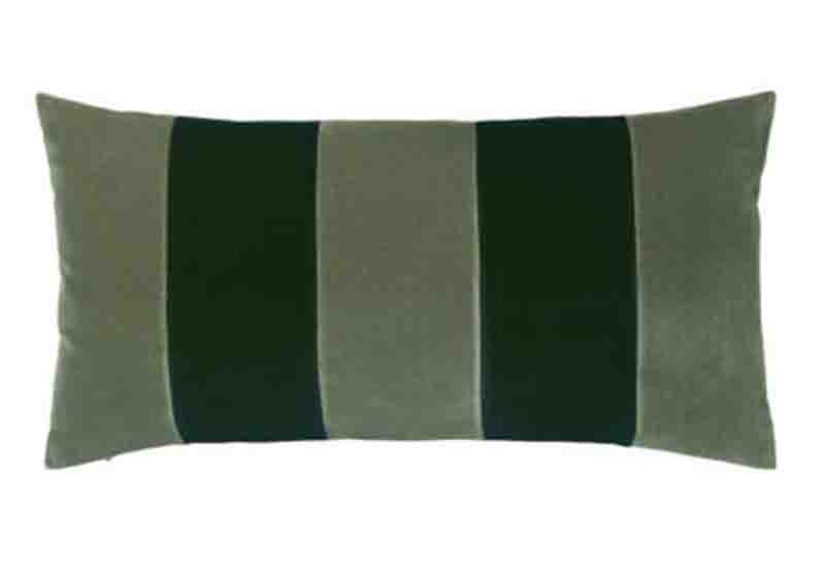
At its simplest, a striped velvet cushion is a decorative pillow made with velvet or velvet-like fabric and finished with a stripe pattern. But that simple description undersells its power. Stripes bring rhythm and structure. Velvet brings depth, softness, and light-catching richness. Put them together, and you get a cushion that can warm up a neutral couch, sharpen a messy pillow arrangement, dress up a bedroom, or make a reading chair look less like “forgotten corner” and more like “intentional cozy moment.”
Whether you love classic cabana stripes, narrow pinstripes, bold color-blocked lines, or tonal stripes that whisper instead of shout, this guide will help you understand how to choose, style, clean, and enjoy a striped velvet cushion without turning your living room into a fabric showroom explosion.
What Is a Striped Velvet Cushion?
A striped velvet cushion is a throw cushion or decorative pillow featuring a striped design on velvet fabric. It may be made from cotton velvet, polyester velvet, rayon-blend velvet, performance velvet, or a corduroy-style velvet with raised ribs that naturally create a striped effect. Some designs use printed stripes, while others create stripes through stitched panels, contrasting fabric strips, piping, embroidery, quilting, or changes in pile direction.
The most common sizes include 18 x 18 inches, 20 x 20 inches, 22 x 22 inches, and lumbar styles such as 12 x 20 inches or 14 x 36 inches. Square cushions work well on sofas, accent chairs, and beds, while lumbar striped velvet cushions are especially useful for benches, reading chairs, and layered bed styling.
Why Velvet Makes Stripes Look More Expensive
Velvet has a raised pile, which means its surface catches light differently depending on direction. That is why velvet can look darker from one angle and brighter from another. When stripes are added, the fabric becomes even more dimensional. A navy-and-cream striped cotton cushion looks crisp. A navy-and-cream striped velvet cushion looks like it has arrived with a tiny entourage.
This light-play effect makes velvet ideal for interiors that need texture. It can soften modern lines, add depth to minimalist rooms, and make traditional spaces feel richer without requiring a complete furniture overhaul. Translation: you do not need a new sofa. Sometimes your sofa just needs better friends.
Why Striped Velvet Cushions Are So Popular in Home Décor
Striped velvet cushions are popular because they solve several decorating problems at once. They add pattern without becoming chaotic, texture without bulk, color without repainting walls, and comfort without sacrificing style. In a world where many people want their homes to feel personal, layered, and lived-in, a striped velvet cushion is a small purchase with a surprisingly large visual payoff.
They Add Structure to a Room
Stripes are naturally orderly. Vertical stripes can make a cushion feel taller and more tailored. Horizontal stripes can make a sofa or bed feel wider and more relaxed. Diagonal stripes create movement and energy. If your room has many soft shapescurved sofas, round coffee tables, fluffy rugsa striped cushion brings just enough geometry to keep everything from feeling like a marshmallow convention.
They Work With Many Interior Styles
A striped velvet cushion can fit into several design styles:
- Modern: Use black-and-white, charcoal, ivory, or rust stripes for clean contrast.
- Traditional: Try jewel tones, warm gold, burgundy, forest green, or navy velvet stripes.
- Coastal: Choose blue, cream, sand, or sea-glass green stripes.
- Bohemian: Mix velvet stripes with tassels, woven throws, and global-inspired prints.
- Maximalist: Pair wide striped velvet cushions with florals, checks, animal prints, and bold artwork.
- Minimalist: Select tonal stripes, such as beige-on-cream or gray-on-charcoal, for subtle texture.
How to Choose the Best Striped Velvet Cushion
Choosing the right striped velvet cushion is not just about grabbing the prettiest one and hoping your sofa develops emotional intelligence. The best choice depends on size, color, stripe scale, fabric quality, insert fill, and how the cushion will be used.
1. Choose the Right Size
For most sofas, an 18 x 18 inch striped velvet cushion is a safe starting point. It is large enough to be noticed but not so large that guests have to move a pillow mountain before sitting down. For larger sofas or deep sectionals, 20 x 20 or 22 x 22 inch cushions create a fuller, more luxurious look.
On a bed, use larger square cushions at the back and smaller striped velvet cushions in front. For a queen bed, two 20 x 20 inch cushions paired with one lumbar striped velvet cushion can look polished without requiring a five-minute pillow removal ritual every night.
2. Pay Attention to Stripe Scale
Stripe scale matters. Wide stripes feel bold, playful, and graphic. Narrow stripes feel tailored, classic, and refined. Uneven stripes look artistic and casual. Tonal stripes feel understated and sophisticated.
If your room already has patterned rugs, curtains, or wallpaper, choose a striped velvet cushion with a simpler pattern. If your furniture is plain, you can go bigger with high-contrast stripes. Think of stripes like seasoning: a little can wake up the dish; too much can make the room taste like a marching band.
3. Match the Cushion to Your Color Palette
A striped velvet cushion does not need to match everything in the room, but it should speak the same language. Pull one color from your rug, artwork, throw blanket, curtains, or accent chair. For example, if your living room has a beige sofa, walnut coffee table, and blue artwork, a cream-and-blue striped velvet cushion can connect the whole space beautifully.
For a dramatic look, try emerald green and navy, rust and cream, black and gold, or burgundy and blush. For a calmer look, choose taupe and ivory, gray and silver, sage and cream, or chocolate and tan.
4. Consider the Fabric Type
Not all velvet is the same. Cotton velvet feels natural and plush but may require more careful maintenance. Polyester velvet is often more affordable and resistant to everyday wear. Performance velvet is designed for durability and easier cleaning, making it useful for busy homes with kids, pets, snacks, or adults who insist they are “careful” while holding coffee near a white cushion.
If the cushion will be mostly decorative, you can choose a more delicate velvet. If it will live on the family sofa, choose a durable cover with a removable insert and a zipper closure.
How to Style a Striped Velvet Cushion
The beauty of a striped velvet cushion is that it can work as a quiet supporting character or the star of the room. The trick is balance. You want the cushion to look intentional, not like it escaped from another house and is hiding on your couch.
On a Sofa
For a standard three-seat sofa, try this formula: two solid pillows at the back, one striped velvet cushion on one side, and one smaller textured pillow on the other. This creates visual balance without looking too symmetrical. If you prefer a cleaner look, place one striped velvet lumbar cushion in the center and keep the sides simple.
On a sectional, use striped velvet cushions to break up large blocks of fabric. A plain gray sectional can become instantly more inviting with cream, charcoal, and olive striped cushions. A tan leather sofa looks rich with rust, chocolate, or dark green velvet stripes.
On a Bed
A striped velvet cushion can make a bed feel finished. Place it in front of sleeping pillows, Euro shams, or a quilted coverlet. For a hotel-inspired look, use crisp white bedding with one long striped velvet lumbar cushion. For a cozy layered look, combine a velvet cushion with linen shams, a knit throw, and a quilt.
The bedroom is also a great place to use softer stripe colors. Think dusty blue, oatmeal, muted rose, warm gray, or moss green. These shades add personality without shouting “wake up!” at 6 a.m.
On an Accent Chair
An accent chair can look lonely without a cushion. A striped velvet cushion adds comfort and creates a focal point. If the chair is solid-colored, use a contrasting stripe. If the chair is patterned, choose a cushion with subtle tonal stripes.
For example, a cream bouclé chair pairs beautifully with a caramel-and-ivory striped velvet cushion. A dark green reading chair looks elegant with a navy, gold, or cream stripe. Add a small side table and a lamp, and suddenly the chair becomes a “reading nook,” even if your current reading list is mostly restaurant menus.
Best Rooms for Striped Velvet Cushions
Living Room
The living room is the natural home for striped velvet cushions. They can refresh a sofa, add seasonal color, and make the space feel more designed. In neutral rooms, striped velvet cushions add interest. In colorful rooms, they create rhythm and help tie competing colors together.
Bedroom
In the bedroom, velvet stripes add softness and luxury. A striped velvet cushion can make plain bedding look custom, especially when paired with layered sheets, throws, and shams. It is also an easy way to change the mood of the room without buying new bedding.
Home Office
A striped velvet cushion can soften a desk chair, reading chair, or small office sofa. It makes the workspace feel less sterile and more personal. If your office is mostly white, black, or wood-toned, a striped cushion can add just enough color to keep the room from feeling like a tax form.
Entryway Bench
An entryway bench with a striped velvet cushion looks welcoming and polished. Choose a durable cover, especially if the cushion may encounter backpacks, keys, coats, shoes, or mysterious outdoor debris that nobody admits bringing inside.
How to Mix Striped Velvet Cushions With Other Patterns
Mixing patterns can feel intimidating, but stripes are surprisingly friendly. They pair well with florals, checks, solids, abstract prints, animal prints, and textured fabrics. The secret is to vary scale and repeat colors.
Use One Common Color
If your striped velvet cushion is navy and cream, pair it with a floral pillow that also includes navy or cream. This shared color makes the combination feel intentional. Without a common color, mixed patterns can look like they met five minutes ago and are still deciding whether they like each other.
Vary the Pattern Size
Pair wide stripes with small florals, tiny checks, or subtle textures. Pair narrow stripes with larger abstract prints. Avoid using several patterns with the same scale, because they can compete for attention.
Add Solids for Breathing Room
Solid pillows are the visual pause button. If your sofa has a striped velvet cushion, a floral cushion, and a textured throw, add a solid pillow to calm the arrangement. Good design needs contrast, but it also needs breathing space.
Care and Cleaning Tips for Striped Velvet Cushions
Velvet looks luxurious, but it does not have to be terrifying. With the right care, a striped velvet cushion can stay soft, rich, and beautiful for years.
Read the Care Label First
Always check the care label before cleaning. Some velvet cushion covers are machine washable, while others require spot cleaning or professional cleaning. The label wins every argument.
Vacuum or Brush Regularly
Dust and crumbs can settle into velvet pile. Use a soft brush, lint brush, or upholstery attachment to remove debris. Brush gently in the direction of the pile to keep the surface smooth.
Blot Spills Immediately
If a spill happens, blot it right away with a clean, dry cloth. Do not rub. Rubbing can push liquid deeper into the fabric and disturb the velvet pile. For removable covers, follow the manufacturer’s washing instructions. For spot cleaning, use a gentle approach and test in a hidden area first.
Fluff the Insert
A beautiful cover still needs a good insert. Fluff the cushion regularly to keep it from looking flat. Feather-down inserts feel plush and relaxed, while synthetic inserts are often easier to maintain and better for allergy-sensitive homes.
Common Mistakes to Avoid
Choosing Too Many Bold Stripes
One striped velvet cushion can look chic. Six different striped velvet cushions can look like your sofa is auditioning for a circus tent. Use bold stripes strategically.
Ignoring Texture Balance
Velvet is rich and plush, so it pairs well with contrasting materials like linen, cotton, leather, wool, cane, wood, and boucle. Too much velvet can feel heavy, especially in small rooms.
Buying the Wrong Insert Size
For a fuller look, many decorators use an insert that is slightly larger than the cover. For example, a 20-inch insert can make an 18-inch cover look plump and designer-worthy. A too-small insert makes even a beautiful cushion look tired, like it has been emotionally supporting the entire household.
Seasonal Styling Ideas
Spring
Choose soft stripes in sage, blush, ivory, pale blue, or butter yellow. Pair them with light linen throws and fresh flowers.
Summer
Use coastal-inspired stripes in navy, white, sand, or sky blue. A striped velvet cushion can still work in warm months if the colors feel fresh and airy.
Fall
Try rust, ocher, olive, chocolate, and burgundy stripes. These colors pair beautifully with wood tones, woven baskets, and warm lighting.
Winter
Go dramatic with emerald, deep navy, charcoal, plum, or gold. Velvet naturally feels cozy in winter, especially when layered with knits, faux fur, and candlelight.
500-Word Experience Section: Living With a Striped Velvet Cushion
The first thing you notice about a striped velvet cushion is how quickly it changes the personality of a room. I once placed a green-and-cream striped velvet cushion on a plain beige sofa, and the sofa immediately looked less like “rental apartment default setting” and more like something chosen by a person who owns matching mugs. Nothing else changed. Same sofa, same coffee table, same suspiciously leaning floor lamp. But the cushion created a focal point, and suddenly the whole room felt more thoughtful.
That is the real charm of a striped velvet cushion: it gives you instant design confidence. You do not need to repaint, buy a new rug, or explain to your family why the living room is “going through a transformation.” You simply add one cushion, and the space feels warmer, softer, and more layered.
In daily use, striped velvet cushions are also more practical than they first appear. The stripe pattern helps disguise minor creases and everyday impressions better than some plain velvet covers. A solid dark velvet cushion can show every little mark from hands, pets, or someone leaning on it during a movie marathon. Stripes visually break up the surface, so the cushion still looks lively even after real life happens to it.
They are especially useful in rooms that feel too flat. A gray sofa, white walls, and a neutral rug can be calm, but sometimes calm drifts into sleepy. Add a rust-and-cream striped velvet cushion, and the room wakes up. Add a navy-and-ivory one, and it feels crisp. Add a mustard-and-brown one, and suddenly the space has vintage charm. The cushion becomes a bridge between colors, textures, and moods.
One of the best experiences is using a striped velvet cushion as a seasonal switch. In spring, a pale blue striped cushion can make a room feel fresh. In fall, a deep olive or burnt orange version adds warmth. In winter, jewel-tone stripes make a sofa feel cozy and dramatic. Instead of storing bulky décor, you can rotate cushion covers. It is the lazy decorator’s secret weapon, and frankly, lazy decorating deserves more respect.
The tactile experience matters, too. Velvet invites touch. Guests often reach for a velvet cushion without thinking because it looks soft before anyone even sits down. A striped velvet cushion on a reading chair can make the whole corner feel more inviting. It says, “Sit here. Bring tea. Pretend you are going to read a book instead of scrolling for forty minutes.”
Of course, it is not completely maintenance-free. Velvet needs occasional brushing, careful spot cleaning, and a little fluffing. But compared with replacing furniture or redesigning an entire room, caring for a cushion is a small price to pay. The key is choosing a removable cover and a durable insert, especially if the cushion will be used every day.
Overall, living with a striped velvet cushion proves that small décor pieces can have big impact. It adds comfort, color, pattern, and polish in one easy move. It can make a sofa look finished, a bed look styled, and an empty chair look intentional. Best of all, it offers that rare decorating win: it looks luxurious, feels cozy, and does not require a renovation budget or a dramatic speech about “the new design direction of the home.”
Conclusion
A striped velvet cushion is more than a decorative pillow. It is a simple, stylish tool for adding texture, rhythm, color, and comfort to a room. The velvet brings softness and depth, while the stripes add structure and personality. Together, they create a cushion that can feel classic, modern, playful, elegant, or cozy depending on the colors and styling.
For the best results, choose the right size, match the palette to your space, vary your patterns, and care for the velvet properly. Whether you place one on a sofa, bed, chair, bench, or home office seat, a striped velvet cushion can refresh your space without overwhelming it. Small? Yes. Powerful? Absolutely. It is basically the espresso shot of home décor.
SEO Tags
Note: This article is written in standard American English for web publishing and is based on current interior design, textile care, and home :décor best practices without embedded source links.