Table of Contents >> Show >> Hide
- What Al Roker’s Surprise Career Move Actually Means
- Why This Move Feels More Natural Than It First Appears
- Al Roker’s Career Has Quietly Been Expanding for a While
- Why Fans Reacted So Strongly
- What This Means for His Future at 'Today'
- Why This Career Move Works as a Case Study in Longevity
- The Viewer Experience: Why This News Feels So Relatable
- Final Thoughts
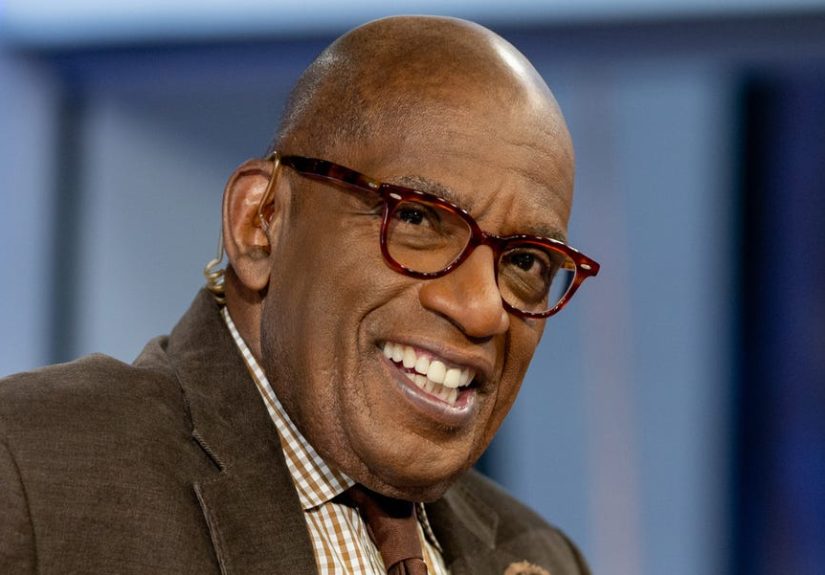
When the phrase “surprise career move” starts floating around about Al Roker, it is only natural for fans to imagine something dramatic. A farewell wave from Studio 1A? A weather map retirement ceremony? A suspiciously emotional umbrella montage? Thankfully, none of that happened. Instead, the longtime Today favorite made a move that felt unexpected at first glance but totally logical once you looked a little closer: he stepped into a fresh television lane as a special guest judge on PBS’s The Great American Recipe.
That announcement turned heads because Roker is so closely tied to morning television that many viewers mentally file him under “national treasure we assume will always be on our screen before coffee.” But this new role did not signal an exit from Today. It showed something more interesting: Al Roker is expanding, not escaping. He is taking the parts of his public identity that people already lovewarmth, curiosity, humor, food enthusiasm, and easy conversationand applying them in new formats.
In other words, the “career move” was not a hard left turn. It was more like an expertly executed merge. And for someone whose career has lasted decades without feeling stale, that may be the smartest move of all.
What Al Roker’s Surprise Career Move Actually Means
The headline-grabbing move centers on Roker joining The Great American Recipe as a guest judge during the opening stretch of the show’s fourth season. For viewers who mainly know him as the man who can explain a storm front while smiling through chaos, seeing him in a food competition setting felt delightfully unexpected. But it also made a lot of sense the minute the surprise wore off.
The Great American Recipe is not one of those cooking shows built on table-flipping tension and dramatic music that sounds like someone just burned the Declaration of Independence. Its tone is warm, personal, and story-driven. Contestants bring dishes that reflect culture, family, immigration stories, regional pride, and memory. That atmosphere fits Roker almost perfectly. He has spent years connecting with viewers not just as a broadcaster, but as a storyteller who makes everyday moments feel human and approachable.
So while the job title may have sounded surprising, the actual assignment felt right on brand. Roker was not parachuting into a world that had nothing to do with him. He was entering a format built around comfort, personality, and connectionthree things he has practically turned into an art form.
Why This Move Feels More Natural Than It First Appears
He Has Been Building Food Credibility for Years
One reason this career development landed so well is simple: Al Roker has genuine food credentials. He is not a random celebrity slapping an apron over a suit and pretending to know the difference between braising and baking. Roker has long been associated with food segments, home cooking, family meals, and culinary storytelling. His public persona has included a clear love of gathering around the table, talking recipes, and treating food as more than content filler.
That food-first identity became even more visible with the release of Al Roker’s Recipes to Live By, the cookbook he created with his daughter, Courtney Roker Laga. That project helped reinforce the idea that his interest in cooking is not a side hobby he dusts off for a photo op. It is tied to family, memory, and the rituals that shape real life. The cookbook angle matters because it frames Roker as someone who belongs in conversations about foodnot as a stunt guest, but as a natural participant.
And let’s be honest: America tends to trust a TV personality more when they seem like the kind of person who would actually season the chicken instead of just nodding near it.
His Style Works Better in Human-Centered TV Than in Flashy Reinvention
Another reason this move works is that Roker has never needed reinvention for reinvention’s sake. He has lasted because he understands tone. He knows how to make viewers feel welcomed rather than performed at. That skill translates beautifully to a food competition that values heart over heat.
As a guest judge, Roker brings a familiar energy: curiosity without snobbery, humor without mockery, and authority without stiffness. Viewers do not expect him to bark out culinary jargon like a man auditioning for the role of “stern herb reduction enthusiast.” They expect him to react like a smart, seasoned broadcaster who also understands why food matters emotionally. That is exactly what gives the appearance its charm.
Al Roker’s Career Has Quietly Been Expanding for a While
If the guest-judge role felt sudden, that may be because many fans still think of Roker through a very specific lens: weather, mornings, and the comforting rhythm of network TV. But over the past few years, his career has shown a pattern of thoughtful expansion.
He has continued growing as an author, which already gave him one creative outlet beyond the anchor desk. He also stepped into another high-profile first when he covered the 2025 Met Gala red carpet for NBC, a role far outside the usual forecast-and-features routine. That appearance showed a different side of Roker: adaptable, game, and willing to enter a pop-culture setting that demanded style commentary, event energy, and a different kind of hosting polish.
Then there is Weather Hunters, the PBS Kids animated series created with his involvement and tied to weather education, storytelling, and family-friendly programming. That project suggests an even broader professional vision. Roker is not just accepting TV opportunities as they appear. He is building a portfolio that reflects what he actually knows and enjoys: communication, meteorology, education, warmth, and family-centered entertainment.
Seen together, these projects paint a clear picture. The cooking show appearance was not a random detour. It was part of a larger pattern in which Al Roker continues to stretch without losing the qualities that made him famous in the first place.
Why Fans Reacted So Strongly
Part of the buzz came from the pure novelty factor. Audiences enjoy seeing a familiar media figure pop up in a place they did not expect. It wakes up curiosity. The same person who has delivered your weather forecast for decades is suddenly evaluating home cooks on PBS? That is the kind of television crossover that makes people stop scrolling and say, “Wait, Al Roker is doing what now?”
But the stronger reaction came from something deeper: the move felt earned. Audiences can usually sense the difference between a celebrity cashing in on visibility and a public figure stepping into a role that genuinely suits them. Roker’s appearance in the food space did not feel forced. It felt like an extension of what people already knew about him.
That distinction matters. Viewers are increasingly skeptical of celebrity side quests that exist only because everyone apparently needs a beverage brand, a podcast, a skincare line, and an inspirational memoir before lunch. Roker’s move avoided that trap. It felt grounded. It had context. It came with a believable backstory.
What This Means for His Future at ‘Today’
The most important thing for longtime fans is this: Al Roker is not vanishing from Today. In fact, the broader picture suggests the opposite. His major career milestones, including his long-running role on the show and his 30-year mark, reinforce that he remains a core part of the Today universe.
That is what makes this moment compelling. Rather than signaling a goodbye, the career move suggests that Roker now occupies a rare position in television. He has enough credibility to stay rooted in a legacy role while still exploring new ones. He does not need to blow up the old brand to try something new. He can add chapters without tearing out previous pages.
There is something reassuring about that in a media culture obsessed with constant disruption. Sometimes the smartest move is not to become unrecognizable. Sometimes it is to widen the lens just enough for people to see more of who you already are.
Why This Career Move Works as a Case Study in Longevity
Roker’s surprise move also says something larger about staying relevant in entertainment. The public often assumes longevity comes from either clinging to the exact same role forever or making a giant, flashy leap into something wildly different. But Roker is modeling a third option: evolution through alignment.
He is choosing projects that make emotional sense alongside his existing public image. A food competition show works because he has culinary credibility and an inviting personality. A children’s weather series works because he has expertise and educational appeal. A major red carpet event works because he has live-TV instincts and broad audience recognition.
That strategy is subtle, but it is powerful. It keeps a career fresh while protecting trust. And in Roker’s case, trust is the whole game. He is not just a celebrity; he is a familiar presence woven into people’s routines, memories, and mornings. Every expansion has to preserve that relationship. So far, he seems to understand that better than most.
The Viewer Experience: Why This News Feels So Relatable
One of the most interesting things about the reaction to this announcement is how personal it felt for viewers. Most people do not know Al Roker in real life, of course, but plenty of them feel like they do. That is the strange magic of long-running morning television. The hosts are not exactly family, not exactly coworkers, and not exactly celebrities in the usual Hollywood sense. They become part of the routine. They are there while breakfast is burning, while school bags are being zipped, while someone is trying to remember where they left their keys for the third time in one week.
So when a figure like Roker makes a career move, viewers do not process it the same way they would process a random entertainment headline. It feels closer. It feels like hearing that a familiar neighbor just started teaching cooking classes on the weekend. There is surprise, sure, but there is also curiosity and maybe even a little pride. You think, “That actually suits him.”
There is also something deeply relatable about seeing someone continue to grow after decades of doing one signature thing well. A lot of adults quietly wrestle with the fear that once people know them for one roleparent, manager, teacher, office veteran, reliable friendthat is all they are allowed to be. Roker’s move pushes against that idea. It says a person can build a strong identity and still explore new rooms inside it. You do not have to torch the house to renovate a wing.
That is probably why this story resonates beyond celebrity gossip. It taps into a real-life experience many people understand. Maybe someone has worked in the same field for twenty years but wants to teach, create, write, cook, volunteer, consult, or mentor. Maybe they are not trying to quit what they know. Maybe they just want to use their skills in a new context. That is exactly what Roker’s move represents. He did not walk away from the work that made him famous. He showed that side passions can become visible, respectable, and professionally meaningful without needing to masquerade as a midlife identity crisis.
And then there is the emotional side of it. Food-centered television, in particular, tends to hit people in a softer place. It brings up home, culture, grandparents, celebration, and survival. Roker’s presence in that environment carries a different texture than it would in, say, a gritty prestige drama where he plays “Detective Rain Chance.” On a cooking show, his warmth becomes part of the format. His humor has room to breathe. His interest in family stories and everyday people suddenly becomes more than charming; it becomes useful.
For longtime viewers, that creates a satisfying sense of continuity. The setting may change, but the person still feels familiar. He is still curious. Still encouraging. Still quick with a line that lightens the mood. Still able to make television feel less polished and more human. That is why this career move lands not as a stunt, but as an experience viewers can actually enjoy. It feels less like branding and more like growth.
And maybe that is the real lesson buried inside the headline. The best career moves are not always the loudest ones. Sometimes they are simply the ones that reveal a fuller version of somebody you thought you already knew.
Final Thoughts
Al Roker’s surprise career move works because it is both unexpected and believable. Yes, seeing a beloved Today mainstay step into a food competition role was a fun twist. But the more you look at it, the more obvious it becomes that this was not a random assignment. It was the natural result of years spent building credibility in storytelling, food, family-oriented content, and live television.
Rather than running from the identity that made him famous, Roker is showing how to expand it intelligently. He can still be the trusted face viewers know from the morning show while taking on projects that highlight other parts of his personality and experience. That is not just a smart career move. It is a master class in staying relevant without becoming unrecognizable.
So no, Al Roker did not announce a shocking goodbye to Today. What he announced was arguably more interesting: a reminder that even the most familiar stars can still surprise us, especially when the surprise feels honest, well-timed, and completely earned.