Table of Contents >> Show >> Hide
- What Is a Tokoname Earthenware Mortar with Wood Pestle Set?
- Why Tokoname Ware Matters
- Design Features That Make This Mortar and Pestle Special
- Best Uses for a Tokoname Earthenware Mortar
- Tokoname Mortar vs. Regular Mortar and Pestle
- How to Use a Tokoname Earthenware Mortar Properly
- Care and Cleaning Tips
- Who Should Buy This Set?
- Recipe Ideas for the Tokoname Earthenware Mortar
- Buying Tips: What to Look For
- Experience Notes: Living With a Tokoname Earthenware Mortar with Wood Pestle Set
- Conclusion
- SEO Tags
The Tokoname Earthenware Mortar with Wood Pestle Set is the kind of kitchen tool that quietly walks in, rolls up its sleeves, and makes your countertop look smarter. At first glance, it may seem like a simple bowl and stick. But spend five minutes with a Japanese suribachi and surikogi, and suddenly your blender starts looking like an overpaid intern.
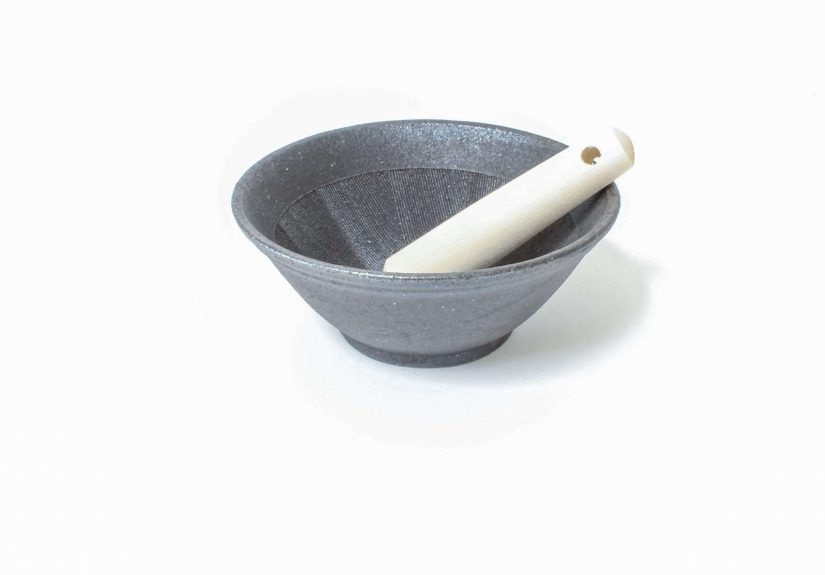
This traditional Japanese mortar and pestle set combines beauty, history, and practical cooking power. The mortar, known as a suribachi, is made from ceramic or earthenware and features ridges inside the bowl that help grind ingredients efficiently. The pestle, called a surikogi, is typically made from wood, which is gentle enough to protect the ceramic grooves while still strong enough to crush sesame seeds, nuts, herbs, and spices into fragrant pastes and seasonings.
What makes the Tokoname version especially appealing is its connection to one of Japan’s great pottery traditions. Tokoname ware comes from Tokoname, Aichi Prefecture, a region with a ceramics history stretching back roughly 900 years. In other words, this is not a trendy gadget invented last Tuesday by someone in a black turtleneck. It belongs to a long, practical tradition of making beautiful tools for everyday use.
What Is a Tokoname Earthenware Mortar with Wood Pestle Set?
A Tokoname earthenware mortar with wood pestle set is a Japanese-style grinding tool designed for preparing ingredients by hand. The mortar is usually a ceramic bowl with a ridged interior. The wooden pestle is used in a circular motion to crush, grind, and blend ingredients against those ridges.
Unlike many Western mortar and pestle sets that rely on heavy pounding, a Japanese suribachi works with texture and rotation. The grooves do much of the work. Instead of smashing ingredients like you are angry at lunch, you guide the pestle around the bowl and let friction release aroma, oils, and flavor.
The original Tokoname product description highlights its use for grinding sesame seeds, nuts, and spices, as well as mixing dipping pastes directly in the mortar. Some versions are attractive enough to double as serving dishes, which is useful if you enjoy fewer dishes in the sink and more compliments at the table.
Why Tokoname Ware Matters
Tokoname is one of Japan’s historic ceramic centers and is commonly associated with the Six Ancient Kilns of Japan. Its pottery tradition began around the late Heian period, and the area became known for producing durable vessels, storage jars, teapots, cooking utensils, and other functional ceramic wares.
The region had several natural advantages: clay-rich land, gentle hills suitable for traditional kilns, and access to coastal transportation. These conditions helped Tokoname ceramics spread across Japan. Over time, Tokoname became especially famous for red clay teapots, storage jars, pipes, tiles, and other practical ceramics.
That background matters because a Tokoname mortar is not just “a bowl that grinds things.” It carries the spirit of a pottery town where ceramic objects were made to be touched, used, washed, and used again. The best kitchen tools are not museum pieces, but they do make daily life feel a little more ceremonial. Grinding sesame seeds by hand may not solve every problem, but it does make dinner feel less like a spreadsheet.
Design Features That Make This Mortar and Pestle Special
Ridged Interior for Efficient Grinding
The defining feature of a suribachi is its textured interior. Fine ridges line the bowl, creating friction that helps break down ingredients. These grooves are especially useful for small, slippery foods such as sesame seeds. Anyone who has tried chasing sesame seeds around a smooth bowl knows the experience feels like herding tiny beige cats.
With the ridged interior, the seeds catch against the surface and release their oils more easily. The result is a fresher aroma and a more controlled texture than many electric appliances can provide.
Wood Pestle That Protects the Ceramic
The wood pestle is not an afterthought. A wooden surikogi is traditionally paired with a ceramic suribachi because it is firm but not overly abrasive. A stone or metal pestle could damage the ridges over time. Wood gives enough pressure for grinding while helping preserve the mortar’s interior.
Some Tokoname sets use Japanese chestnut wood, while other Japanese suribachi sets may use woods such as sansho or ho wood. The goal is the same: a pestle that feels comfortable in the hand, works smoothly against the bowl, and does not behave like a tiny wrecking ball.
Beautiful Enough to Serve From
One underrated advantage of a Tokoname earthenware mortar is presentation. After preparing a sesame dressing, herb paste, miso dip, or nutty sauce, you can often serve directly from the bowl. That means fewer transfers, less mess, and a rustic table look that says, “Yes, I absolutely meant for dinner to look this elegant.”
Compact but Practical
Tokoname mortar sets have been sold in different sizes, including small and large options. Smaller bowls are convenient for sesame seeds, spice blends, garlic, ginger, and single-meal sauces. Larger bowls provide more working room for dressings, dips, and bigger batches. As with most kitchen tools, size depends on how you cook. A tiny mortar is adorable until you try to make enough sauce for four people and the sesame seeds stage a countertop escape.
Best Uses for a Tokoname Earthenware Mortar
Grinding Sesame Seeds
This is the classic job. Toasted sesame seeds become deeply aromatic when crushed by hand. You can grind them lightly for texture or continue until they become almost paste-like. Use ground sesame in Japanese spinach salad, noodle dressings, rice toppings, dipping sauces, or marinades.
Making Dipping Sauces
The bowl is ideal for mixing soy sauce, miso, vinegar, citrus juice, sesame oil, grated ginger, and crushed seeds. Because the mortar can grind and mix in the same vessel, flavors come together naturally. The process is slower than pressing a blender button, but the reward is better texture and more control.
Crushing Nuts
Walnuts, peanuts, almonds, and cashews can be crushed for sauces, toppings, and desserts. For best results, work in small batches and avoid attacking the nuts with excessive force. The goal is controlled grinding, not nut confetti.
Preparing Herbs and Spices
A Tokoname mortar can handle many dried herbs and softer spices. It is excellent for small amounts of coriander seeds, pepper, dried chili flakes, and herb blends. For very hard spices or large batches, a heavier granite mortar may be better. The Tokoname suribachi shines when finesse matters more than brute strength.
Mixing Pastes and Dressings
Try grinding garlic with salt, then adding sesame, miso, rice vinegar, and a little water for a quick dressing. Or crush herbs with nuts and oil for a small-batch pesto-style sauce. The ridges help emulsify and blend ingredients, while the bowl gives you a clear view of texture as it develops.
Tokoname Mortar vs. Regular Mortar and Pestle
A standard Western mortar and pestle often uses stone, marble, granite, or ceramic with a smooth or lightly textured interior. These are great for pounding, crushing, and pulverizing. A Tokoname-style suribachi is different because its ridges are designed for circular grinding.
That difference changes the experience. A granite mortar feels like a gym membership for your wrist. It is heavy, stable, and powerful. A suribachi feels more like a precise hand tool. It is lighter, gentler, and better for delicate ingredients that benefit from gradual crushing.
If your goal is crushing large amounts of peppercorns, pounding curry paste, or smashing tough spices, stone may be the right choice. If your goal is grinding sesame, making refined dressings, preparing Japanese-style sauces, or enjoying a beautiful handmade-feeling tool, the Tokoname earthenware mortar with wood pestle set makes more sense.
How to Use a Tokoname Earthenware Mortar Properly
Step 1: Stabilize the Bowl
Place the mortar on a flat surface. If it slides, set it on a damp towel or silicone mat. Stability is important because a moving mortar turns cooking into a tiny rodeo.
Step 2: Add a Small Amount of Ingredients
Do not overfill the bowl. Start with a manageable amount so the pestle can move freely. For sesame seeds, one to three tablespoons is a good starting point for a small bowl.
Step 3: Use a Circular Motion
Hold the pestle comfortably and move it around the bowl in circles. Let the ridges catch the ingredients. You do not need to pound hard. In fact, heavy pounding can chip or damage the interior.
Step 4: Adjust Texture Gradually
Stop when the texture looks right. For sesame seeds, you may want a coarse grind for crunch or a finer paste for sauces. The beauty of hand grinding is that you are in charge of the final texture.
Step 5: Mix Liquids in the Same Bowl
After grinding dry ingredients, add liquid seasonings directly into the mortar. Stir with the pestle or a wooden spoon. Avoid scraping aggressively with metal utensils, which may damage the surface.
Care and Cleaning Tips
Earthenware kitchen tools reward gentle care. After use, rinse the mortar with warm water to loosen residue. If food is stuck in the grooves, let the bowl soak briefly, then clean along the direction of the ridges with a soft brush, toothbrush, or non-metal cleaning tool.
Avoid metal scrubbers because they can damage the glaze or surface. For oily residue, a small amount of mild detergent may be used if the maker’s care instructions allow it. Always rinse well and dry thoroughly.
The wooden pestle also deserves attention. Wash it gently, avoid long soaking, and let it dry completely in a well-ventilated place. Do not leave the wood pestle standing wet in the mortar like a sad little flagpole. Moisture can encourage odor, staining, or cracking over time.
Because ceramic and earthenware products vary, always check the specific care instructions for your exact set. Some ceramic bowls may be dishwasher-safe, while artisan earthenware pieces are often better hand-washed. When in doubt, choose the gentler method. Your future self, and your mortar, will both approve.
Who Should Buy This Set?
The Tokoname Earthenware Mortar with Wood Pestle Set is ideal for home cooks who love Japanese cooking, handmade kitchenware, and tools that look as good as they perform. It is especially useful for people who prepare sesame dressings, noodle sauces, small-batch spice blends, dips, and condiments.
It is also a thoughtful gift for someone who already owns the obvious kitchen basics. A suribachi feels personal, useful, and slightly unexpected. It says, “I respect your cooking,” without saying, “Here is another novelty mug shaped like an avocado.”
However, this may not be the best tool for someone who wants one mortar for every possible task. If you frequently pound large quantities of tough spices, make heavy curry pastes, or need maximum impact force, a large granite mortar may be more appropriate. Think of the Tokoname suribachi as a specialist: graceful, precise, and very good at the jobs it was designed to do.
Recipe Ideas for the Tokoname Earthenware Mortar
Simple Sesame Dressing
Toast sesame seeds until fragrant, then grind them in the mortar until partially crushed. Add soy sauce, rice vinegar, a little sugar or honey, and a splash of sesame oil. Mix until combined. This dressing works beautifully over spinach, cucumbers, noodles, grilled chicken, tofu, or roasted vegetables.
Garlic-Ginger Miso Paste
Grind a small piece of ginger with one garlic clove and a pinch of salt. Add miso, rice vinegar, and a little warm water. Stir until smooth. Use it as a dip, marinade, or quick sauce for steamed vegetables.
Nutty Noodle Sauce
Crush toasted peanuts or sesame seeds, then add soy sauce, lime juice, chili flakes, and a little noodle cooking water. Toss with warm noodles and top with scallions. The result tastes like you worked much harder than you did, which is one of cooking’s greatest legal loopholes.
Buying Tips: What to Look For
When shopping for a Tokoname earthenware mortar with wood pestle set, look closely at material, size, groove quality, and included accessories. A good suribachi should have a textured interior that feels purposeful rather than decorative. The pestle should fit the bowl comfortably; a pestle that is too short can make grinding awkward.
Also consider whether you want a spouted shape. A katakuchi-style lip makes it easier to pour sauces and dressings. If you plan to serve directly from the bowl, appearance matters too. Choose a color and finish that match your kitchen or table style.
Finally, remember that artisan and imported kitchenware can vary in availability, price, dimensions, and wood type. Read the seller’s current product details carefully before purchasing. The romance of Japanese pottery is wonderful, but measurements still matter. Nobody wants to discover their “large” mortar is only large enough to season one heroic cucumber slice.
Experience Notes: Living With a Tokoname Earthenware Mortar with Wood Pestle Set
Using a Tokoname earthenware mortar changes the rhythm of cooking. That may sound dramatic for a bowl, but it is true. Electric appliances are built for speed. A suribachi is built for attention. You notice the smell of sesame seeds as they open. You feel the texture shift under the pestle. You see the sauce come together gradually instead of disappearing into a noisy machine and returning as mystery paste.
The first experience many people have with this set is surprise. It looks delicate, so they expect it to be decorative. Then they grind toasted sesame and realize the ridges are not there for show. The seeds break down quickly, the aroma becomes warmer and nuttier, and the kitchen suddenly smells like something good is about to happen. That little moment is why this tool earns permanent counter space.
Another enjoyable part is control. A food processor often jumps from “not blended” to “baby food” in two seconds. With a suribachi, you can stop at exactly the texture you want. For sesame dressing, a partially crushed texture gives body and crunch. For a smoother sauce, more circular grinding releases more oil and creates a richer paste. The difference is easy to see and taste.
The set is also surprisingly relaxing. The motion is repetitive, but not boring. It is the kitchen version of doodling in the margins of a notebook. You rotate, press lightly, adjust, and breathe. After a long day, making a small sauce by hand can feel oddly calming. It is not faster than opening a bottle of dressing, but it is more satisfying. Also, bottled dressing has never made anyone feel like a peaceful ceramic monk.
In daily use, the best approach is to keep the mortar accessible. If it is hidden behind three pans, a waffle maker, and a suspiciously sticky jar of molasses, you will not use it. Leave it where you can grab it for small tasks: crushing sesame, bruising herbs, mixing a quick dipping sauce, or grinding toasted nuts for a topping.
Cleaning becomes part of the routine. Rinse soon after use, loosen food from the grooves with warm water, and dry the bowl completely. The pestle should also dry thoroughly before storage. This small habit keeps the set fresh and ready. Treat it gently and it will stay useful for years.
The Tokoname Earthenware Mortar with Wood Pestle Set is not just about nostalgia or aesthetics. It solves real cooking problems in a quiet, elegant way. It gives delicate ingredients better texture, helps sauces taste fresher, and brings a handmade feeling to everyday meals. It is practical enough for weeknight cooking and beautiful enough for the table. That is a rare combination, and frankly, more kitchen tools should try this hard.
Conclusion
The Tokoname Earthenware Mortar with Wood Pestle Set is a beautiful example of how traditional kitchen tools remain relevant because they work. Its ceramic ridges, wooden pestle, and Japanese pottery heritage make it especially useful for grinding sesame seeds, nuts, herbs, spices, and sauces with control and care.
It may not replace every appliance in your kitchen, and it is not meant to. Instead, it offers something different: texture, aroma, beauty, and a hands-on cooking experience that feels both practical and peaceful. For anyone interested in Japanese cookware, artisan ceramics, or better homemade condiments, this set deserves serious attention.
Note: Product details such as size, price, producer, wood type, and availability can change by retailer or production batch. Always check the seller’s current specifications before purchasing.