Table of Contents >> Show >> Hide
- What Is Ukrainian Babka?
- Ingredients for a Traditional Ukrainian Babka Recipe
- How to Make Traditional Ukrainian Babka for Easter
- Why This Easter Babka Recipe Works
- Tips for the Best Traditional Ukrainian Babka
- How to Serve Ukrainian Babka at Easter
- Common Mistakes to Avoid
- Traditional Ukrainian Babka and the Easter Table
- Experience: What Baking Traditional Ukrainian Babka for Easter Really Feels Like
- Final Thoughts
Easter baking has a way of turning an ordinary kitchen into a tiny cathedral of butter, yeast, and optimism. And if there is one loaf that understands the assignment, it is traditional Ukrainian babka. Tall, rich, lightly sweet, and gloriously golden, this Easter bread is the kind of bake that makes your whole house smell like spring finally got its act together.
In many Eastern European families, Easter bread is more than a recipe. It is memory with a crust. It is the loaf that sits proudly on the holiday table, the one everyone slices carefully at first and then attacks with suspicious speed once the butter comes out. Ukrainian babka, often discussed alongside paska and other festive Easter breads, belongs to that beautiful tradition of enriched doughs made with eggs, butter, milk, and just enough sweetness to feel celebratory without turning breakfast into dessert cosplay.
This version keeps the spirit of a traditional Easter loaf while using modern, reliable home-baking methods. It delivers a soft, airy crumb, a tender crust, a hint of lemon, and optional raisins for those who believe dried fruit belongs in holiday bread. If you do not believe that, congratulations on being wrong in a very confident way.
What Is Ukrainian Babka?
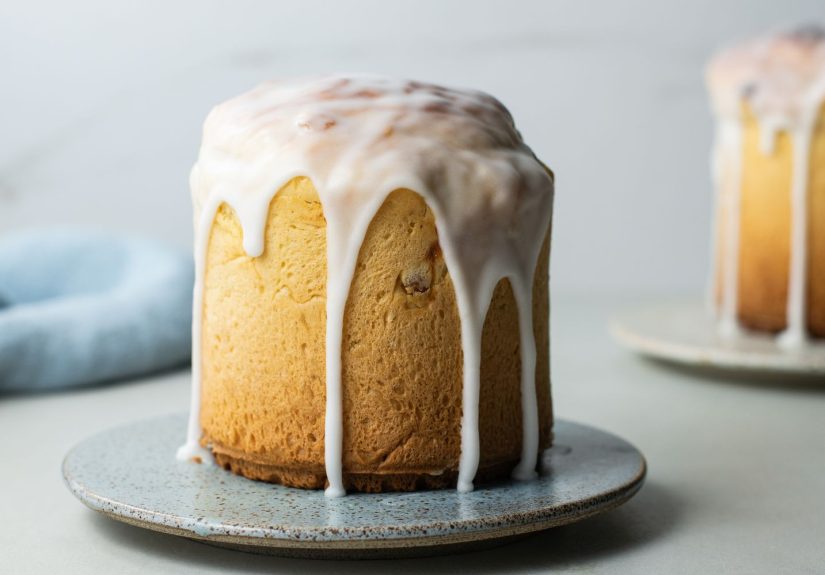
Traditional Ukrainian babka for Easter is a rich yeast bread made to celebrate one of the most important holidays of the year. Depending on family and regional custom, the bread may be baked tall and cylindrical or shaped into round loaves. Some bakers decorate the top with a cross or braided dough, while others keep it simple and let the glossy golden dome do all the talking. Either way, the bread is meant to feel festive, abundant, and worthy of the holiday.
The dough is enriched, which is baker language for “we added the good stuff.” Eggs give it color and structure. Butter adds richness and tenderness. Milk softens the crumb. Sugar lightly sweetens the loaf and helps with browning. Citrus zest brings brightness, and raisins are common in many family recipes because Easter bread apparently decided plain was not invited.
What makes this bread special is balance. It should not eat like cake, and it should not feel like sandwich bread wearing a party hat. Great babka lands in that sweet spot between airy and substantial, rich and clean, ceremonial and deeply snackable.
Ingredients for a Traditional Ukrainian Babka Recipe
For the Dough
- 1 1/4 cups whole milk, warmed until just cozy, not hot
- 2 packets active dry yeast (4 1/2 teaspoons)
- 1 teaspoon granulated sugar, for blooming the yeast
- 4 large eggs, room temperature
- 2 large egg yolks, room temperature
- 3/4 cup granulated sugar
- 10 tablespoons unsalted butter, melted and cooled slightly
- 1 tablespoon vanilla extract
- 1 tablespoon finely grated lemon zest
- 1 1/4 teaspoons fine salt
- 5 1/2 to 6 1/2 cups all-purpose flour or bread flour
- 1 cup golden raisins, optional, soaked in warm water for 10 minutes and patted dry
For Finishing
- 1 egg
- 1 tablespoon water
- 1 tablespoon melted butter, for brushing after baking
Optional Simple Glaze
- 1 cup powdered sugar
- 1 to 2 tablespoons milk or lemon juice
This recipe makes 2 tall loaves or 3 medium loaves, depending on your pans. You can use tall paper molds, loaf pans, or well-greased round cake pans. Traditional families all have opinions here, and none of them are quiet.
How to Make Traditional Ukrainian Babka for Easter
1. Wake Up the Yeast
Pour the warm milk into a large mixing bowl. Sprinkle in the yeast and 1 teaspoon sugar. Let it stand for 5 to 10 minutes, until foamy. If it just stares back at you like pond water, start over. Dead yeast is not a character-building exercise.
2. Build the Rich Base
In a separate bowl, whisk together the eggs, egg yolks, sugar, melted butter, vanilla, lemon zest, and salt. Add this mixture to the foamy yeast mixture and stir until combined. The mixture will look glossy and smell like the beginning of something very good.
3. Add Flour and Mix the Dough
Add about 3 cups of flour and stir until smooth. Continue adding the remaining flour gradually until you have a soft, slightly sticky dough. Do not dump in every last grain just because you can. Babka dough should feel supple and rich, not dry and grumpy.
4. Knead Until Smooth and Elastic
Turn the dough onto a lightly floured surface and knead for 8 to 10 minutes, or use a stand mixer with a dough hook for about 6 to 8 minutes. The dough should become smooth, elastic, and only a little tacky. If using raisins, knead them in during the final minute so they distribute evenly without being smashed into fruity confetti.
5. First Rise
Place the dough in a lightly buttered bowl, cover it, and let it rise in a warm place until doubled, about 1 1/2 to 2 hours. Rich doughs take their sweet time, which feels rude in the moment but pays off in texture later.
6. Shape the Loaves
Punch down the dough gently and divide it into 2 or 3 portions. Shape each into a smooth ball or tuck it into your prepared pans. If you want a traditional decorative top, reserve a small piece of dough to make a cross, braid, or twist before the second rise. This is the stage where the bread starts looking like Easter instead of an ambitious science project.
7. Second Rise
Cover the shaped loaves loosely and let them rise until puffy and nearly doubled, about 45 to 60 minutes. Meanwhile, preheat the oven to 350°F.
8. Egg Wash and Bake
Whisk the egg with 1 tablespoon water and brush it over the tops of the loaves. Bake until deep golden brown and hollow-sounding when tapped, about 30 to 40 minutes for medium loaves and a bit longer for tall loaves. If the tops brown too quickly, tent them loosely with foil.
9. Finish Like You Mean It
Brush the warm loaves with melted butter for a softer crust and a beautiful sheen. Cool completely before slicing. You can add the optional glaze once the bread is fully cool, but many bakers prefer to let the rich golden crust speak for itself. Frankly, it has earned the microphone.
Why This Easter Babka Recipe Works
This traditional Ukrainian babka recipe works because it respects both heritage and baking logic. The milk, butter, eggs, and sugar create the enriched dough that gives babka its tender crumb and festive flavor. Lemon zest brightens the richness so the bread does not taste heavy. A two-rise method builds structure and flavor, while the egg wash creates that signature shiny top that says, “Yes, I absolutely belong in the center of the Easter table.”
Using bread flour can give the dough a little extra support if you want a taller loaf, especially when the dough is loaded with eggs and butter. All-purpose flour also works well and gives a slightly softer result. Either way, the main rule is not to overload the dough with flour. The stickier dough often makes the better loaf. This is one of baking’s rudest but most reliable truths.
Tips for the Best Traditional Ukrainian Babka
Use Room-Temperature Ingredients
Cold eggs and cold butter make enriched dough harder to mix evenly. Warm ingredients help the dough come together smoothly and rise more consistently.
Do Not Over-Flour the Dough
Babka should be soft and slightly tacky. If the dough feels a little sticky before kneading, that is usually a good sign, not a crisis.
Give the Dough Time
Rich Easter bread is not a speed bake. The butter and eggs make the dough slower to rise than lean bread dough. Be patient. Babka does not care about your schedule, and honestly, that is part of its charm.
Soak the Raisins First
If you are using raisins, a quick soak helps them stay plump and soft instead of turning into chewy little pebbles. Dry them well before adding them to the dough.
Watch the Color
The loaf should be richly golden, not pale. But because sugar and butter help bread brown faster, tent with foil if needed during the last part of baking.
How to Serve Ukrainian Babka at Easter
Serve babka sliced thick with sweet butter, honey, fruit preserves, or soft cheese. It pairs beautifully with coffee, hot tea, or a post-church appetite that suddenly becomes very competitive. On a traditional Easter table, it also fits naturally beside ham, sausage, hard-boiled eggs, horseradish, and other celebratory dishes.
Leftovers make excellent breakfast toast the next day, and they are even better when lightly warmed. If your loaf survives more than twenty-four hours without being picked apart by wandering relatives, that is either a miracle or a sign you forgot to tell people it existed.
Common Mistakes to Avoid
- Using milk that is too hot: hot liquid can damage the yeast before the dough even begins.
- Adding too much flour: a stiff dough makes a dry loaf and a sad Easter morning.
- Under-proofing: if the dough has not risen enough, the loaf will bake up dense.
- Slicing too soon: cutting hot babka can compress the crumb and make the inside gummy.
- Forgetting joy: technically not a baking error, but spiritually suspicious.
Traditional Ukrainian Babka and the Easter Table
Part of what makes this bread so beloved is that it carries meaning as well as flavor. In many Easter traditions tied to Ukrainian and Carpathian family customs, rich holiday breads appear after the fasting period leading up to Easter. That is one reason these loaves feel so celebratory. They are rich on purpose. They are golden on purpose. They are baked for a feast, not a random Tuesday when your refrigerator contains only mustard and regret.
Decorative touches matter too. A cross on top, braided dough, a glossy finish, or a tall domed shape can all signal that this is not everyday bread. It is holiday bread. It belongs in the center of the table, next to decorated eggs and the kind of family conversations that begin politely and end with someone insisting their grandmother’s version was fluffier.
Experience: What Baking Traditional Ukrainian Babka for Easter Really Feels Like
Baking traditional Ukrainian babka for Easter is not just about mixing flour and hoping for the best. It is an experience that unfolds in stages, and each stage has its own personality. At first, it feels calm and almost ceremonial. You warm the milk, bloom the yeast, crack the eggs, and tell yourself this will be a peaceful, meaningful kitchen project. Then you add the butter and flour, and suddenly you are emotionally invested in a bowl of dough like it is applying to college.
The first unforgettable moment is the smell. Before the bread is even baked, the dough gives off that sweet, rich scent of milk, vanilla, and citrus zest that makes the kitchen feel softer somehow. It is the kind of aroma that pulls people into the room under fake excuses. Nobody says, “I came because the babka smells incredible.” They say things like, “Just checking if you need help,” while already reaching for a raisin.
Then comes the rise, which is part patience and part psychological warfare. You cover the bowl and wait. And wait. Rich dough rises more slowly, which means you have enough time to wonder whether your yeast was alive, whether the room is warm enough, whether your grandmother would silently judge your kneading technique, and whether it is too late to pretend this was always meant to be store-bought. Then you lift the towel and see the dough swelling beautifully, and all is forgiven.
Shaping the loaves feels special in a way that everyday baking rarely does. A sandwich loaf is practical. A dinner roll is dependable. Babka, though, has theater. You smooth the top, maybe add a braid or a cross, and suddenly the bread starts looking like part of a celebration rather than a random carbohydrate. It becomes centerpiece material. It develops main-character energy.
And the baking itself? That is the reward. The tops deepen from pale gold to a glossy brown that looks almost lacquered. The house fills with a fragrance that is rich but bright, buttery but not heavy. If there are raisins in the dough, they perfume the loaf in that warm, almost honeyed way that makes the whole kitchen smell like a holiday memory. When the bread comes out of the oven, it looks important. Even people who do not bake instinctively understand they are in the presence of something serious and delicious.
But maybe the best part is what happens after the bread cools. Someone slices it. Someone else says the slices are too thin. Butter appears. Coffee appears. A quiet room becomes a happy room. That is the magic of traditional Ukrainian babka for Easter. It is beautiful on the table, yes. It is delicious, absolutely. But more than that, it creates a moment. It slows people down. It gathers them in. It reminds everyone that some recipes are not kept because they are efficient. They are kept because they make a holiday feel like a holiday.
Final Thoughts
If you want a bake that feels deeply seasonal, unmistakably festive, and worth every minute of rising time, this traditional Ukrainian babka recipe for Easter delivers. It is rich without being heavy, sweet without being cloying, and elegant without demanding professional-bakery drama. Make it once, and it may become the loaf your family expects every spring. Which is wonderful, unless you were hoping to relax next Easter. In that case, you have made a tactical error.