Table of Contents >> Show >> Hide
- What Is MSG?
- How Is MSG Made?
- Is MSG Bad for You?
- Why Did MSG Get Such a Bad Reputation?
- MSG vs. Naturally Occurring Glutamate
- Can MSG Cause Side Effects?
- Is MSG an Allergy?
- Does MSG Raise Blood Pressure or Add Too Much Sodium?
- What Foods Commonly Contain MSG?
- How Do You Spot MSG on a Label?
- Who Might Want to Limit MSG?
- So, What Is the Real Bottom Line on MSG?
- Real-World Experiences Related to MSG
- Conclusion
- SEO Tags
MSG has spent decades as the food world’s favorite villain, which is pretty impressive for a tiny white crystal whose main talent is making soup taste better. If you have ever heard that monosodium glutamate causes everything from headaches to mystery restaurant regret, you are definitely not alone. But when you peel back the myths, the story gets a lot less dramatic and a lot more interesting.
So, what is MSG, exactly? Is it actually harmful? Or has it simply been blamed for crimes committed by salty takeout, ultra-processed snacks, and one very persistent rumor mill? Let’s dig in.
What Is MSG?
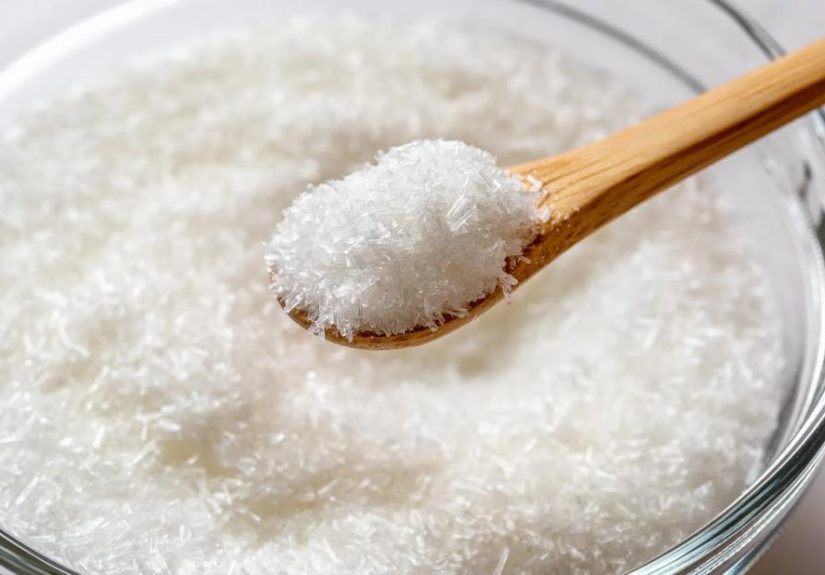
MSG stands for monosodium glutamate. It is the sodium salt of glutamic acid, an amino acid that occurs naturally in the human body and in many foods. Tomatoes, mushrooms, Parmesan cheese, seaweed, anchovies, and fermented products naturally contain glutamate, which helps create that rich, savory taste known as umami.
In plain English, MSG is a flavor enhancer. It does not magically turn cardboard into filet mignon, but it can make foods taste fuller, meatier, and more satisfying. That is why it is used in broths, soups, sauces, snack seasonings, frozen meals, and restaurant cooking around the world.
MSG was first isolated in 1908 by Japanese chemist Kikunae Ikeda, who identified the taste of glutamate as a distinct flavor separate from sweet, sour, salty, and bitter. That fifth taste, umami, is now widely recognized in modern food science. So yes, MSG has been famous for over a century. Most seasonings would love that kind of career longevity.
How Is MSG Made?
Modern MSG is typically produced through fermentation, not unlike the way yogurt, vinegar, and some vitamins are made. Ingredients such as sugar cane, sugar beets, starch, or molasses are fermented to produce glutamic acid, which is then stabilized with sodium. The result is a clean-tasting seasoning powder that dissolves easily and boosts savory flavor.
This matters because some people still imagine MSG as a strange synthetic chemical cooked up in a dramatic laboratory under flickering lights. In reality, it is much more boring than that. And in nutrition, boring is often good.
Is MSG Bad for You?
For most people, MSG is not considered harmful when eaten in normal amounts. That is the key point. The U.S. Food and Drug Administration classifies MSG as “generally recognized as safe,” and major medical and nutrition sources in the United States continue to say that typical dietary use is not linked to serious long-term harm in the general population.
Part of the confusion comes from older fears that MSG caused a mysterious group of symptoms once labeled “Chinese restaurant syndrome.” That phrase is now widely viewed as outdated, inaccurate, and wrapped in cultural bias. Research over the years has not consistently shown that MSG in food causes symptoms for most people.
That said, the answer is not as simple as “everyone reacts the same way.” Some people report short-term symptoms after consuming large amounts of MSG, especially when it is eaten without food. These symptoms may include headache, flushing, tingling, nausea, palpitations, or a feeling of pressure. But the evidence suggests this is not the usual experience for most people, and it does not appear to behave like a classic food allergy in the majority of cases.
Why Did MSG Get Such a Bad Reputation?
MSG’s reputation crash-landed in the public imagination after a 1968 letter to the New England Journal of Medicine described symptoms allegedly linked to Chinese restaurant meals. The story stuck. And once a food ingredient gets cast as the villain, it tends to stay in that role long after the script should have been rewritten.
Over time, studies produced mixed headlines, but better-designed research has generally failed to prove that MSG in ordinary food amounts causes widespread health problems. In many cases, when people blame MSG, the actual issue may be the overall meal: large portions, high sodium, lots of fat, alcohol, fried foods, or simply eating too fast. That is less catchy than blaming one ingredient, but nutrition rarely respects our desire for neat little villains.
MSG vs. Naturally Occurring Glutamate
One of the most important facts about MSG is that the body does not treat the glutamate in added MSG as some evil twin of the glutamate naturally found in food. Chemically, the glutamate is the same. Your body metabolizes glutamate from MSG and glutamate from tomatoes or cheese in similar ways.
In fact, naturally occurring glutamate from protein foods contributes far more to a typical daily intake than added MSG does. That does not mean every food source is nutritionally equal, of course. Potato chips dusted with seasoning and fresh tomatoes are not interchangeable life choices. But it does mean the presence of glutamate itself is not automatically a red flag.
Can MSG Cause Side Effects?
It can for some people, but context matters. Research and medical guidance suggest that symptoms are most likely to happen in people who believe they are sensitive to MSG and who consume relatively large amounts, often around 3 grams or more, especially without food. That amount is more than what is found in most servings of foods that contain added MSG.
Symptoms that have been reported include:
- Headache
- Flushing
- Nausea
- Tingling or numbness
- Heart palpitations
- Mild muscle aches or pressure
- Drowsiness
Most reported symptoms are mild and short-lived. Still, if you repeatedly notice the same reaction after foods with added MSG, it makes sense to pay attention. A food diary can help you spot patterns. If you ever experience severe symptoms such as chest pain, swelling, or trouble breathing, that deserves immediate medical care. Do not play amateur detective with serious symptoms.
Is MSG an Allergy?
Usually, no. MSG reactions are generally described as sensitivity or intolerance-like responses, not classic IgE-mediated food allergy. That distinction matters because food allergies involve the immune system and can be life-threatening, while non-allergic food reactions are different in cause and management.
In other words, someone can feel lousy after eating a food without it being a true allergy. Lactose intolerance is a familiar example. MSG tends to fall into that “possible reaction, different mechanism” category for most people who believe they are sensitive to it.
Does MSG Raise Blood Pressure or Add Too Much Sodium?
This is where the conversation gets more practical. MSG does contain sodium, but it contains less sodium than table salt. Gram for gram, MSG has about one-third the sodium of regular salt. That means it can sometimes help improve flavor while allowing a recipe to use less total sodium.
That sounds great, but there is a catch. Many foods that contain MSG are also highly processed and already high in sodium from multiple ingredients. So if you eat lots of instant noodles, packaged soups, chips, deli meats, or heavily seasoned frozen meals, the issue is not just MSG. It is the total sodium load and overall food quality.
For people with high blood pressure, heart disease, kidney disease, or anyone trying to cut back on sodium, the smarter move is to look at the entire label, not just whether MSG appears in the ingredient list. A food can be “MSG-free” and still be a sodium bomb in disguise.
What Foods Commonly Contain MSG?
Added MSG may show up in:
- Canned soups and broths
- Instant noodles
- Frozen meals
- Snack foods like chips and flavored crackers
- Seasoning blends and bouillon
- Processed meats
- Fast food and restaurant dishes
- Condiments and savory sauces
Naturally occurring glutamate is also found in foods such as tomatoes, mushrooms, aged cheeses, soy sauce, seaweed, and fermented products. These foods are often naturally rich in umami, which helps explain why they taste so deeply satisfying.
How Do You Spot MSG on a Label?
When manufacturers add MSG directly, it must appear on the ingredient label as monosodium glutamate. That part is straightforward.
Where it gets a little trickier is with ingredients that naturally contain glutamates. Sensitive individuals may also want to watch for ingredients such as:
- Hydrolyzed vegetable protein
- Autolyzed yeast
- Hydrolyzed yeast
- Yeast extract
- Soy extracts
- Protein isolate
These ingredients are not identical to added MSG, but they can contribute glutamates and savory flavor. For most people, that is not a problem. For people who think they react to glutamate-rich additives, label reading may be worth the extra effort.
Who Might Want to Limit MSG?
You may want to be more cautious with MSG if:
- You consistently notice symptoms after foods with added MSG
- You are managing migraine or headache triggers and your clinician recommends tracking food patterns
- You need to reduce sodium and tend to eat many processed foods
- You feel better when cooking mostly whole foods at home
But for the average healthy person, there is no strong evidence that small or moderate amounts of MSG in food are dangerous. That is not a permission slip to live on flavored ramen and fried snacks, of course. Nutrition still cares very much about the overall pattern of your diet. Annoying, but fair.
So, What Is the Real Bottom Line on MSG?
MSG is a flavor enhancer, not a nutritional supervillain. The science does not support the idea that it is broadly toxic in normal dietary amounts. Some people may be sensitive to it, especially in larger doses or certain contexts, but that is different from saying it is bad for everyone.
If you enjoy foods with MSG and do not notice symptoms, there is little reason to fear it. If you suspect it bothers you, pay attention to your body, track what you eat, and talk with a healthcare professional if symptoms are ongoing or severe. And if you are trying to eat healthier overall, focus less on demonizing one additive and more on the bigger picture: whole foods, reasonable sodium intake, and fewer ultra-processed meals.
That is not as dramatic as a food panic, but it is a lot more useful.
Real-World Experiences Related to MSG
One reason the MSG debate never fully disappears is that people’s real-life experiences with food are messy. They do not happen in a lab. They happen on rushed lunch breaks, after late-night takeout, during family dinners, and in the snack aisle when someone decides a “small bag” of chips should count as dinner. So when people say, “I ate something with MSG and felt awful,” they are usually describing a real experience. The harder question is whether MSG was truly the cause.
A common scenario goes like this: someone eats a restaurant meal that is large, salty, rich, and fast. Maybe there is soy sauce, fried food, alcohol, dessert, and not a lot of water in the picture. An hour later, they feel flushed, puffy, thirsty, headachy, or generally blah. It is easy to blame MSG because MSG has a name and a reputation. “Overate giant sodium-heavy meal while dehydrated” is less catchy and frankly not a great dinner story.
Another common experience happens with packaged convenience foods. Instant noodles, frozen entrees, flavored popcorn, chips, and bouillon-based soups often get called out as “proof” that MSG is bad. But these foods may also be high in sodium, refined carbs, saturated fat, and portion-distorting deliciousness. When someone feels swollen or headachy after eating them, the entire food package deserves scrutiny, not just the monosodium glutamate line on the label.
At the same time, there really are people who feel that certain MSG-containing foods do not agree with them. Some notice headaches after specific takeout meals. Others report palpitations, flushing, or nausea after heavily seasoned snacks. For those individuals, the experience matters even if the mechanism is not perfectly clear. Keeping a food and symptom journal can be genuinely helpful, especially for people managing migraine or unexplained food-related symptoms. The goal is not to win an argument with the internet. The goal is to learn what actually happens in your body.
There is also a more positive experience many home cooks discover: using a small amount of MSG can make food taste better without piling on as much table salt. That can be especially useful in soups, vegetable dishes, stir-fries, marinades, and lean proteins that need a little flavor backup. Instead of making food taste “weird,” MSG often makes savory foods taste more complete. Many people try it once, shrug, and realize the flavor world did not end. Their broccoli just got more interesting.
Then there is the cultural side of the story. For years, some people avoided Chinese food because of MSG fears while happily eating ranch-flavored chips, fast food fries, canned soup, and seasoned crackers containing the same additive or similar glutamate-rich ingredients. That mismatch says a lot about how food myths spread. In many households, learning more about MSG becomes less about a seasoning and more about unlearning outdated assumptions.
The most grounded takeaway from real-life experience is this: listen to your body, but do not ignore context. A reaction after one food does not automatically prove MSG is harmful to everyone. And a lack of symptoms does not mean everyone else is imagining things. Nutrition works best when we leave room for both evidence and individual variation.
Conclusion
MSG is one of the most misunderstood ingredients in the modern food conversation. It is a flavor enhancer built around glutamate, a compound already found naturally in many foods. For most people, current evidence suggests it is safe in typical amounts and not the menace it has often been made out to be. The bigger health issue is usually the overall quality of the diet, especially total sodium and reliance on ultra-processed foods.
If you tolerate MSG well, there is no strong reason to avoid it out of fear. If you suspect you are sensitive to it, a practical, evidence-based approach is better than panic: track symptoms, read labels, and look at the whole meal. That is a much smarter strategy than declaring war on your soup.