Table of Contents >> Show >> Hide
- Pacific Rockfish, Explained in Plain English
- Meet the “Pacific Rockfish” You Might Actually Be Eating
- Where Pacific Rockfish Live (and Why That Matters)
- Rockfish Biology: The Weird (and Cool) Stuff
- How Pacific Rockfish Is Caught
- Is Pacific Rockfish Sustainable?
- What Does Pacific Rockfish Taste Like?
- Nutrition and Safety: The Stuff Your Brain Wants to Know
- How to Buy Pacific Rockfish Without Guessing
- How to Cook Pacific Rockfish (So It Stays Tender)
- FAQ: Quick Answers That Save You a Search Spiral
- Real-World Experiences Around Pacific Rockfish ()
- Conclusion
“Pacific rockfish” sounds like a single, well-behaved fish with one résumé, one headshot, and one clear identity. In real life, it’s more like a group chat: lots of different rockfish species that all live in the Pacific and get marketed under a convenient umbrella name. The good news? Most of them are delicious. The tricky part? “Rockfish” on a label doesn’t always tell you which one you’re actually bringing home.
This guide breaks down what Pacific rockfish really is, where it comes from, why it got famous (and occasionally misnamed), how sustainable it tends to be, what it tastes like, and how to cook it so it stays flaky instead of turning into a dry apology.
Pacific Rockfish, Explained in Plain English
Pacific rockfish usually refers to a collection of wild-caught rockfish species from the Pacific Ocean, especially along the U.S. West Coast and Alaska. Most “rockfish” sold in U.S. seafood cases are from the genus Sebastes, a big group of spiny-finned fish that love rocky reefs, kelp forests, and steep underwater structure. (In other words: they’re homebodies with excellent real estate taste.)
So… is it one species?
Not usually. “Rockfish” is often a market category, not a single species name. Many Sebastes species are legally sold under the acceptable market name “rockfish,” which is helpful for shoppers but also a little like buying “fruit” and hoping it’s strawberries. The fish is still realyour label is just being vague.
Why do restaurants and stores use the umbrella name?
Because it’s practical. Rockfish are frequently harvested as part of multi-species groundfish fisheries, and fillets from different rockfish can look similar once the skin is off. The umbrella term keeps menus simple (“pan-seared rockfish” is friendlier than “pan-seared fish we hope you can pronounce”).
Meet the “Pacific Rockfish” You Might Actually Be Eating
Here’s the fun part: Pacific rockfish can mean a lot of different species. Some common ones you’ll see (or taste) in U.S. seafood markets include:
- Yellowtail rockfish – mild, flaky, often a “starter rockfish” for people learning to love seafood.
- Black rockfish – slightly firmer, great for grilling or tacos.
- Widow rockfish – mild and delicate; popular in some West Coast fisheries.
- Chilipepper rockfish – small, flavorful, often used in fillets and mixed rockfish products.
- Canary rockfish – mild to slightly sweet; often sold as “rockfish” when regulations allow.
- Vermilion rockfish – firmer, richer flavor; sometimes marketed in premium “red rockfish” style.
- Bocaccio – larger-bodied; can yield thicker fillets when available.
- Pacific ocean perch – sometimes grouped with rockfish in seafood guidance; often a bit firmer.
All of these can be excellent eating fish. The biggest differences you’ll notice are firmness, flake size, and how forgiving they are if you accidentally cook them five minutes too long because you got distracted by one more episode.
A quick taste shorthand
- Mild & flaky: many yellowtail/widow-style fillets
- Medium-firm: black rockfish, canary (often great for tacos and sandwiches)
- Firmer/richer “red rockfish” feel: vermilion or other deeper/red-tinged species
Where Pacific Rockfish Live (and Why That Matters)
Pacific rockfish generally live along the Pacific coast of North America, from California up through Alaska (species ranges vary). Many species hang out around rocky structurereefs, pinnacles, kelp edges, and slope habitatwhere they can ambush prey and avoid being prey.
Why you should care: fish that live in rocky habitat are often caught with gears and strategies designed to avoid snagging on the bottom (or wrecking the bottom). That can influence both sustainability and quality.
Shallow vs. deep rockfish
Some rockfish are nearshore and fairly accessible; others live deeper and grow slowly. Deep-living and long-lived fish usually need extra-careful management because they don’t bounce back quickly from heavy fishing pressure. Pacific rockfish are famous for this: certain species can live for many decades, and a few are record-setters for longevity.
Rockfish Biology: The Weird (and Cool) Stuff
They can be extremely long-lived
Many Pacific rockfish species live a surprisingly long timethink “grandparent fish,” not “fast-life sardine.” Some species have maximum ages well over 100 years, and a few exceed 200 years in scientific age estimates. That longevity is fascinating… and it’s exactly why careful management matters.
They’re live-bearers (yes, really)
Most people assume fish lay eggs externally and call it a day. Many rockfish species don’t. Rockfish typically have internal fertilization; embryos develop inside the female, and she releases live larvae into the water column. It’s one of the more unusual reproductive strategies you’ll find in commonly eaten fish.
Why this affects sustainability
Long life + slow growth + later maturity can make some rockfish populations vulnerable to overfishing. The flip side is that with strong, science-based management (catch limits, area protections, gear rules), many rockfish stocks can rebuild and support stable fisheries. The U.S. West Coast groundfish story is often cited as a major management comeback.
How Pacific Rockfish Is Caught
You’ll see rockfish caught by a mix of methods, depending on region and species:
- Hook-and-line (including “rod and reel” or longline): often used in recreational and some commercial fisheries.
- Traps/pots: used in some areas to reduce habitat impact and improve selectivity.
- Trawls: used in some groundfish fisheries; modern management often includes restrictions and protected areas to reduce impacts.
What this means for buyers
If you want to make a sustainability-minded choice, ask for: (1) where it was caught (Alaska vs. West Coast waters), (2) the fishing method (hook-and-line, trap, trawl), and (3) the specific rockfish species if possible. Seafood programs and fish counters that can answer these questions are usually signaling good traceability.
Is Pacific Rockfish Sustainable?
In many U.S. cases, yesespecially when it’s sourced from well-managed West Coast or Alaska fisheries. U.S. fisheries management includes science-based catch limits, monitoring, and rebuilding plans when stocks are stressed. Over the past couple of decades, several rockfish and broader groundfish stocks have shown major improvements.
The West Coast “groundfish comeback” in one paragraph
The West Coast groundfish fishery experienced tough years, with some rockfish stocks declared overfished and strict protections put in place (including depth-based closures/areas designed to protect vulnerable species). Over time, these measuresalong with accountability in catches and better datahelped many stocks rebuild. Recent council updates have highlighted major rebuilding progress across West Coast groundfish.
But “rockfish” isn’t automatically perfect
“Rockfish” is a big family. Sustainability can vary by species, location, and gear type. The easiest practical strategy: buy U.S.-caught rockfish when possible, and favor transparent sourcing (region + method). When a seller can tell you the species and how it was caught, you’re already ahead of most seafood mysteries.
What Does Pacific Rockfish Taste Like?
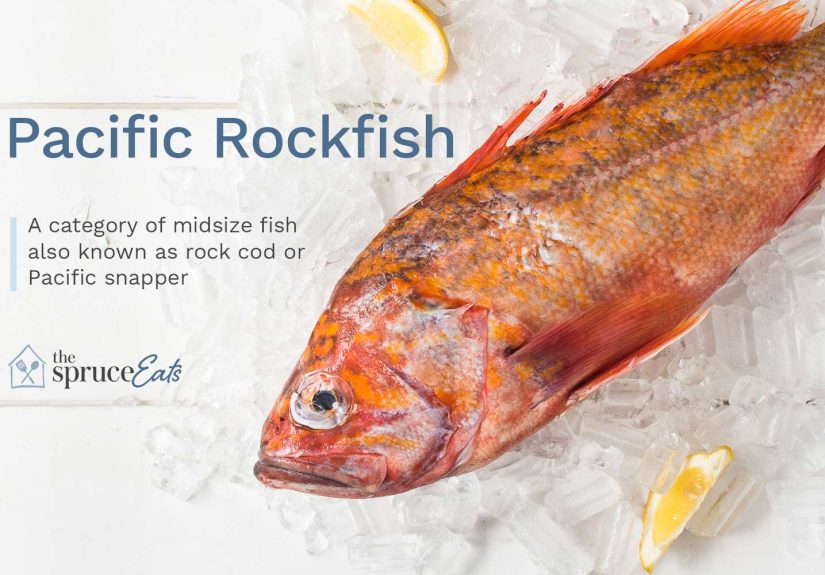
Pacific rockfish is typically a mild, slightly sweet white fish with a clean flavor and a medium flake. If you like cod, halibut, haddock, or even mild snapper, rockfish will feel familiarbut often a bit more tender than cod and less “meaty” than halibut.
Texture and cooking personality
- Lean: Rockfish isn’t oily like salmon, so it benefits from sauces, salsas, butter, or a good marinade.
- Fast-cooking: Fillets can go from perfect to dry quicklyset a timer and stay emotionally available.
- Versatile: Great for tacos, chowders, sandwiches, air fryer meals, and quick pan-sears.
Is it “Pacific snapper” or “Pacific red snapper”?
You may see rockfish described casually as “Pacific snapper” on menus. That’s a common nickname, but it can confuse shoppers because “snapper” is a different family of fish. If you’re buying in the U.S., look for “rockfish” and ask for the species name if you want more precision.
Nutrition and Safety: The Stuff Your Brain Wants to Know
Nutrition highlights
Like many white fish, Pacific rockfish is generally a solid choice for lean protein and key nutrients (such as selenium and B vitamins). It can also contribute omega-3 fatsusually not as high as salmon, but still meaningful in a balanced diet.
Mercury: what to consider
Mercury levels depend on species and size. General U.S. guidance encourages eating a variety of seafood and emphasizes lower-mercury options, especially for people who are pregnant or breastfeeding and young children. “Rockfish” can fall into moderate-mercury territory in some datasets, so variety is smart. If you eat rockfish often, rotate with lower-mercury choices and follow federal and local advisories.
Food safety basics
- Cook to doneness: Rockfish should be opaque and flake easily; use an instant-read thermometer if you like precision.
- Handle chilled: Keep it cold, cook it soon, and don’t let it hang out on the counter like it pays rent.
- Frozen is fine: Quality frozen rockfish can be excellent and often reduces waste.
How to Buy Pacific Rockfish Without Guessing
Questions to ask the fish counter
- Which rockfish species is this? (Even “not sure” is useful information.)
- Where was it caught? (Alaska? California? Oregon? Washington?)
- How was it caught? (Hook-and-line, trap, trawl?)
- Is it fresh or previously frozen? (Previously frozen can still be great.)
What to look for in fillets
- Color: white to slightly off-white; “red” rockfish may have a deeper hue depending on species and handling.
- Smell: clean and briny, not “fishy.” If it smells like a dock argument, pass.
- Texture: firm, not mushy; no excessive liquid in the package.
Fresh vs. frozen: a truth that will save you money
“Frozen” is not the villain. Many wild fisheries freeze fish quickly at peak quality, and thawed-in-store fillets can be indistinguishable from “fresh” in taste when handled well. If you’re cooking within a day, either can work. If your schedule is chaotic, buy frozen and keep rockfish on standby for weeknight heroics.
How to Cook Pacific Rockfish (So It Stays Tender)
Rockfish is forgiving in flavor but not in time. The best approach is simple: high heat, short cook, and a little fat or sauce to keep it juicy.
1) The easiest pan-sear
- Pat fillets dry (this is how you get browning instead of steaming).
- Season with salt and pepper; add paprika or Old Bay if you want a coastal vibe.
- Sear in a hot pan with oil; cook until golden, flip, finish quickly.
- Top with lemon, capers, salsa, or a quick herb butter.
2) Oven-baked “set it and don’t forget it”
Bake rockfish at a moderate-high oven temperature until just opaque. Add a drizzle of oil and a sauce (tomato, chili-garlic, or even pesto) to protect lean fillets from drying out. Thicker fillets are your friend here.
3) Rockfish tacos (the crowd-pleaser)
Season, sear or air-fry, then flake into warm tortillas. Add crunchy slaw, lime, and a sauce that makes you happy: crema + hot sauce, cilantro-lime mayo, or mango salsa for the “I planned this” energy.
Common mistakes (and how to avoid them)
- Overcooking: pull it when it flakes; residual heat finishes the job.
- Skipping moisture: use sauce, salsa, or a finishing drizzlerockfish is lean.
- Not drying the fish: water blocks browning; paper towels are your best sous-chef.
FAQ: Quick Answers That Save You a Search Spiral
Is Pacific rockfish the same as cod?
No. Rockfish and cod are different groups of fish. They can taste similar (mild white fish), but rockfish often has a slightly more delicate flake and can cook faster.
Is “rock cod” real?
“Rock cod” is a nickname sometimes used for rockfish. It’s not cod in the strict sense. If you want accuracy, ask for the species or at least confirm it’s labeled “rockfish.”
Is Pacific rockfish a good fish for picky eaters?
Often yes. It’s usually mild, not strongly “fishy,” and works well with familiar flavors (lemon, garlic, butter, tacos, crispy coatings).
What’s the best cooking method for beginners?
Oven-baking is the most forgiving, followed by tacos (because sauce covers many sins). Pan-searing is great once you’re comfortable with timing.
Real-World Experiences Around Pacific Rockfish ()
If you live anywhere near the Pacific Coast, your first “Pacific rockfish experience” might happen without you realizing it. You walk into a casual seafood spot, scan the menu, and see “rockfish tacos.” You think, “Sure, I like tacos,” and suddenly you’re holding a warm tortilla filled with flaky white fish, crunchy slaw, and a lime squeeze that drips down your wrist. That’s the rockfish origin story for a lot of people: not a lecture on fish taxonomy, just a delicious meal that quietly convinces you that seafood can be easy.
Another common experience is the fish-counter conversation that starts with confidence and ends with curiosity. You ask for “Pacific rockfish,” and the person behind the counter says, “We’ve got rockfishdo you want hook-and-line or trawl-caught?” If you’ve never been asked that question before, it’s a little like being offered coffee with tasting notes. But it’s also empowering: suddenly you’re not just buying a fillet, you’re choosing a storywhere it came from, how it was caught, and how transparent the supply chain is. Many shoppers find that once they start asking those questions, the whole seafood aisle gets less intimidating.
Home cooking is where rockfish really earns its reputation as an everyday fish. People often describe the first successful cook as a “wait, that’s it?” moment. Rockfish doesn’t require a culinary degree; it requires a timer. The most common win is a quick sear: dry the fillet, season it, cook it fast, and finish with lemon and butter. It tastes restaurant-level because rockfish has that clean, mild flavor that plays well with simple ingredients. It’s also a favorite for weeknights because it cooks quicklymeaning dinner can happen even when your day tried to cancel it.
Then there’s the “rockfish reinvention” experience: you buy a bag of frozen fillets, not expecting much, and discover that frozen rockfish can be surprisingly good. People who like meal prep tend to keep it in the freezer for emergency dinners: tacos, rice bowls, chowder, or an air fryer fillet that goes from frozen to flaky while you’re still debating what to watch. It’s not glamorous, but it’s practicaland practical is a form of luxury.
Finally, rockfish has a way of turning seafood skeptics into “selective seafood people.” The mild flavor doesn’t scare anyone, but the variety keeps it interesting. One week it’s delicate and flaky; another week it’s slightly firmer and better for grilling. Over time, many folks start noticing the subtle differences and asking for specific speciesless because they’re trying to be fancy, and more because they’ve learned what they like. That’s the best kind of seafood education: the kind that tastes good.