Table of Contents >> Show >> Hide
- What Are Wooden Shaker-Style Pegs?
- The Shaker Origin Story: Why Simplicity Became the Style
- Why Wooden Shaker-Style Pegs Still Work Today
- Common Uses for Wooden Shaker-Style Pegs
- Choosing the Right Wood for Shaker-Style Pegs
- Design Details That Make a Big Difference
- Buying vs. Building Wooden Shaker-Style Pegs
- How to Style Wooden Shaker-Style Pegs Without Making Them Look Busy
- Maintenance and Longevity
- Why This Tiny Detail Has Such Lasting Appeal
- Experience: Living With Wooden Shaker-Style Pegs in Real Life
Some home upgrades scream for attention. Wooden Shaker-style pegs do the opposite. They stand there quietly, looking neat, useful, and annoyingly timeless while the rest of the room tries a little too hard. That is exactly why people keep coming back to them. These humble wooden pegs, often mounted in a straight row on a peg rail, offer one of the rare combinations in home design that feels almost unfair: they are beautiful, practical, inexpensive compared with custom cabinetry, and nearly impossible to date.
If you have ever looked at a tidy mudroom, a calm farmhouse kitchen, or a bathroom that somehow makes towels look like decor, there is a good chance wooden Shaker-style pegs were doing part of the heavy lifting. They are the home organization equivalent of a person who brings snacks, arrives on time, and never asks for credit.
This article takes a closer look at what wooden Shaker-style pegs are, where they come from, why they still work so well, how to use them today, and what to know before buying or building them for your own space.
What Are Wooden Shaker-Style Pegs?
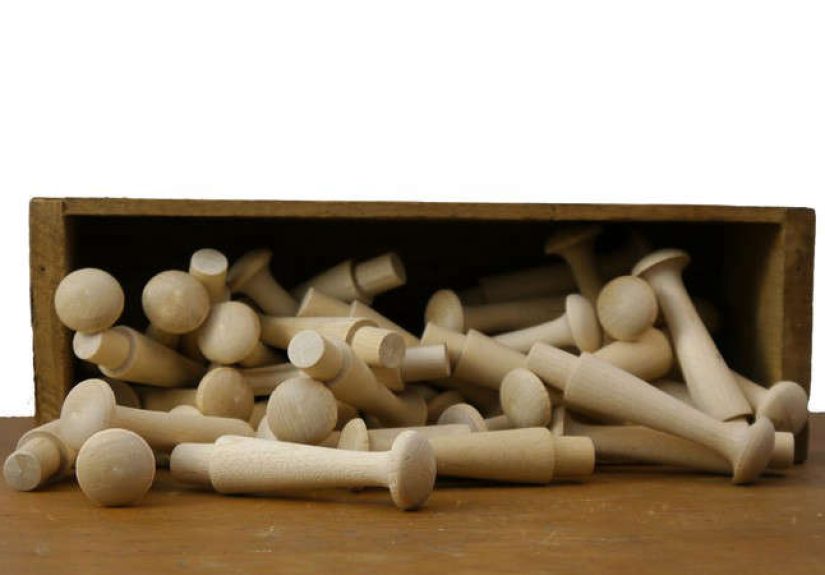
Wooden Shaker-style pegs are rounded wood pegs designed for hanging everyday items. They are most commonly installed on a horizontal board known as a peg rail, though they also appear individually on cabinets, wall panels, and furniture. The classic look is simple: smooth wood, modest curves, no fussy ornament, and just enough projection to hold coats, baskets, hats, towels, or tools.
Traditional versions are made from hardwoods such as maple, oak, birch, cherry, or poplar. The pegs themselves may be turned with a rounded head and a tapered or straight tenon that fits into a drilled hole. Some modern versions screw in, but the classic spirit stays the same: a hardworking piece of wood that does not need a dramatic backstory.
In everyday conversation, people often say “Shaker pegs” when they really mean a full Shaker peg rail. Technically, the peg is the individual wooden hook, while the rail is the board that holds several pegs in a row. Together, they create one of the cleanest storage systems ever invented.
The Shaker Origin Story: Why Simplicity Became the Style
The design comes from the Shakers, a religious community known formally as the United Society of Believers in Christ’s Second Appearing. In America, Shaker communities became known for disciplined communal living, careful craftsmanship, and a deep belief that usefulness and order were not separate from beauty. In fact, for the Shakers, beauty grew out of usefulness.
That philosophy shaped their furniture, buildings, tools, and storage systems. Peg rails appeared in many rooms and often ran along walls to keep living spaces open and organized. Chairs could be hung up. Clothing could be kept off the floor. Baskets, hats, and household tools could stay accessible without creating clutter. The result was not just efficient storage. It was a visual language of calm.
That is why Shaker design still feels modern. It was never about decoration for decoration’s sake. It was about making daily life smoother, cleaner, and more orderly. Wooden Shaker-style pegs remain one of the clearest examples of that idea because they solve a basic problem with almost suspicious elegance.
Why Wooden Shaker-Style Pegs Still Work Today
They are functional without looking bulky
Many storage products solve one problem by creating three new ones. A giant coat rack eats visual space. A metal hook system can look cold. Overbuilt organizers often feel like office equipment that wandered into your hallway by mistake. Wooden Shaker-style pegs avoid that trap. Their profile is small, their lines are clean, and they sit close to the wall.
They fit almost any room
These pegs work in entryways, mudrooms, kitchens, bathrooms, bedrooms, laundry rooms, playrooms, and even garden sheds. A row above a bench can hold coats and bags. In a kitchen, they can support aprons, brushes, mugs, or lightweight utensils. In a bathroom, they are ideal for towels and robes. In a child’s room, they can hold dress-up clothes, backpacks, or tomorrow’s outfit. Few design elements move this easily from rustic to refined.
They support the “everything has a place” mindset
Shaker-style storage appeals to people who want less visual noise. Pegs turn everyday objects into a tidy row instead of a pile. That matters more than it sounds. When you can see what belongs where, the room becomes easier to maintain. Wooden pegs do not organize your life for you, but they remove one of your excuses, which is at least mildly helpful.
Common Uses for Wooden Shaker-Style Pegs
The beauty of wooden pegs is that they are flexible without being random. Here are some of the most effective ways to use them:
Entryway and mudroom storage
This is the classic use. Mount a peg rail near the door for coats, tote bags, hats, umbrellas, and dog leashes. Add a bench below and the area instantly feels more intentional. If the wall is long, extend the rail to create a built-in look rather than a tiny “I tried” zone floating alone on drywall.
Kitchen organization
In kitchens, Shaker pegs can hold aprons, tea towels, market baskets, small pans, or decorative boards. Some homeowners pair the rail with a shelf above for cookbooks, jars, or pottery. This creates vertical storage without the heaviness of upper cabinets and adds warmth to white kitchens in particular.
Bathroom storage
Bathrooms benefit from wall-mounted storage that does not feel industrial. Wooden pegs can hold towels, robes, and baskets of toiletries. They look especially good against beadboard, painted millwork, or plaster walls where a bit of wood tone softens the room.
Bedrooms and closets
A peg rail inside a closet or on a bedroom wall is a smart place for hats, tomorrow’s clothes, handbags, and accessories. It works especially well in small bedrooms where a full valet stand would feel oversized.
Laundry rooms and utility spaces
These pegs are perfect for air-drying items, hanging ironing tools, or keeping frequently used bags and cleaning accessories off the floor. Utility rooms deserve dignity too.
Choosing the Right Wood for Shaker-Style Pegs
Material matters because the wood affects strength, appearance, and finish. Maple is a traditional favorite thanks to its smooth grain and durability. Oak brings visible texture and a sturdy, classic feel. Birch offers a clean surface and a pale tone that works well in painted or natural schemes. Cherry develops richer color over time and feels more furniture-like. Poplar is often used for painted projects because it is affordable and takes paint well.
If you want the pegs to blend into painted trim, poplar or maple can be a smart choice. If you want them to stand out as natural wood, oak, maple, or cherry can create a more artisanal look. For hardworking family spaces, hardwood usually makes more sense than softwood because repeated use will test those pegs with backpacks, damp towels, and the occasional item that absolutely should not have been hung there.
Design Details That Make a Big Difference
Peg spacing
Traditional Shaker peg rails are often described as using evenly spaced pegs, commonly around several inches apart. In modern practice, spacing depends on what you plan to hang. Tighter spacing works for towels and light accessories. Wider spacing is better for coats and bags that need elbow room. If every coat on the rail fights like it is boarding the last flight home for the holidays, the pegs are too close together.
Rail height
Adult-height rails are useful in entryways and kitchens, while lower rails are ideal for children’s spaces or layered storage. One charming idea is a double rail setup: one height for adults, one lower row for kids. It looks thoughtful and teaches children where their things belong, which is basically interior design meeting parenting diplomacy.
Finish
Natural oil, wax, stain, paint, or clear protective topcoats all work, but the finish should match the room and the job. A bathroom or laundry room may need more moisture resistance. A painted rail can disappear into trim for a built-in effect, while a natural finish makes the wood grain part of the decor.
Buying vs. Building Wooden Shaker-Style Pegs
If you buy a ready-made rail, pay attention to wood species, joinery, peg length, mounting method, and overall scale. Some mass-market products are more decorative than durable, which is fine if you plan to hang hats and not your entire winter survival kit.
If you build one yourself, the project is approachable for many DIYers. A basic version usually involves a straight board, evenly measured holes, wood glue, and turned pegs or dowels with a tenon. Precision matters most in layout. Crooked spacing or sloppy drilling can turn “simple Shaker charm” into “garage project with emotional baggage.” Sand thoroughly, test fit every peg, and choose mounting hardware that fits the weight you expect the rail to carry.
Custom building also lets you size the piece exactly to the room, which is one reason these rails remain popular. They can stretch across a narrow nook, fill an empty wall in a mudroom, or fit neatly under a shelf in a kitchen. That made-to-measure quality is part of their appeal.
How to Style Wooden Shaker-Style Pegs Without Making Them Look Busy
The best Shaker-inspired styling feels edited, not crowded. Leave some pegs empty. Mix useful items with one or two beautiful ones, such as a woven basket, linen apron, vintage brush, or straw hat. In a bathroom, neatly folded towels and a small hanging basket can look polished. In a kitchen, a wood cutting board and a simple tea towel may be all you need.
Try not to overload the rail with clashing colors, giant plastic accessories, or six different tote bags advertising unrelated events from 2017. Peg rails are forgiving, but they still appreciate cooperation.
Maintenance and Longevity
One reason wooden Shaker-style pegs endure is that they are easy to maintain. Dust them, wipe them down with a barely damp cloth when needed, and avoid soaking unfinished wood. If the finish dulls over time, a light refresh with the appropriate oil, wax, or topcoat can revive the surface. Check mounting hardware occasionally, especially in high-traffic areas. A well-made rail can last for years and often looks better with gentle wear.
Why This Tiny Detail Has Such Lasting Appeal
Wooden Shaker-style pegs prove that small design choices can have a large effect on how a room feels. They help clear surfaces, simplify routines, and add architectural rhythm to blank walls. More importantly, they embody a design principle that still resonates: everyday objects should do their jobs well and look honest doing it.
That may be why they never really go out of style. They are not trendy in the fragile sense. They are useful in the durable sense. And in homes full of gadgets, bins, baskets, and systems promising to transform your life by Tuesday, a row of wooden pegs feels refreshingly sane.
Experience: Living With Wooden Shaker-Style Pegs in Real Life
My appreciation for wooden Shaker-style pegs did not begin with a grand design epiphany. It began with a pile. Specifically, a pile of jackets, canvas totes, and one umbrella that was always somehow both broken and still taking up space. The entryway in my mind was calm and tasteful. The actual entryway looked like a rushed airport gate with better lighting.
When I first installed a simple wooden peg rail, I expected it to help a little. What I did not expect was how quickly it would change the rhythm of the room. Suddenly, everyone knew where coats went. Bags had a landing spot. The dog leash stopped disappearing into that mysterious domestic dimension where batteries, tape measures, and left socks also go. It was one of those rare home changes that took almost no square footage and delivered instant results.
What surprised me most was the visual effect. Even when the pegs were in use, the space looked tidier than it had with almost nothing on the wall. There is something about a row of evenly spaced wooden pegs that creates order before you even hang anything. Add a few carefully chosen items, and the wall starts to feel less like an empty surface and more like a quiet system. Not a flashy system. Not a smart system. Just a competent one.
I have also seen how flexible these pegs can be from room to room. In a kitchen, they gave ordinary tools a kind of accidental dignity. An apron, a towel, and a basket of onions looked charming instead of cluttered. In a bathroom, the same idea made towels feel more spa-like and less “I draped this here five minutes ago and hoped for the best.” In a child’s room, lower pegs made it easier for kids to manage their own backpacks and sweaters, which is perhaps the closest interior design comes to outsourcing.
Another lesson from experience is that sizing matters more than people think. Tiny decorative pegs may look lovely online, but in real life they need to hold real objects with weight and shape. A winter coat, a canvas market bag, or a damp bath towel will immediately reveal whether your pegs are decorative actors or actual working professionals. That is why I now prefer solid hardwood pegs with enough projection to be genuinely useful.
I also learned that styling works best when the rail is not treated like a storage panic button. The most successful peg rails are not the ones covered edge to edge with stuff. They are the ones that leave room to breathe. A hat, a bag, a linen towel, a basket, maybe one empty peg or two: that is where the charm lives. Once every inch is packed, the rail stops looking intentional and starts looking like a surrender.
In the end, wooden Shaker-style pegs have earned my respect because they solve a messy modern problem with an old, clear-headed idea. They do not beep, buzz, fold electronically, or require an app update. They just sit there, beautifully made, ready to help. And honestly, in a house full of things competing for attention, that kind of quiet usefulness feels almost luxurious.