Table of Contents >> Show >> Hide
- What Are Apricot Seeds, and Why Do People Link Them to Cancer?
- How the “Apricot Seeds Kill Cancer” Story Took Off
- What the Evidence Says: Effective or Not?
- Safety: The Cyanide Problem You Can’t “Wellness” Your Way Around
- Common Claims (and the Reality Check They Need)
- If Not Apricot Seeds, Then What? Safer, Evidence-Based Support Options
- How to Talk to Your Doctor About Apricot Seeds Without Feeling Awkward
- So… Effective or Not? The Honest Verdict
- Experiences People Share About Apricot Seeds and Cancer (What Shows Up in Real Life)
- Conclusion
Short version: apricot seeds (also called apricot kernels) contain amygdalin, a compound that can break down into cyanide in the body. That sounds dramatic because it is. While “vitamin B17” content gets hyped online, major medical and regulatory sources say laetrile/amygdalin has not been proven effective for treating cancer in humans and carries real risk of poisoning. So if your cancer plan involves “just chew a few seeds,” it’s time for a respectful but firm reality check.
This article breaks down what apricot seeds are, why they’re linked to cancer claims, what the research actually shows, the safety concerns that don’t fit in an Instagram caption, and what to do instead if you want complementary approaches that won’t try to turn your bloodstream into a chemistry experiment.
What Are Apricot Seeds, and Why Do People Link Them to Cancer?
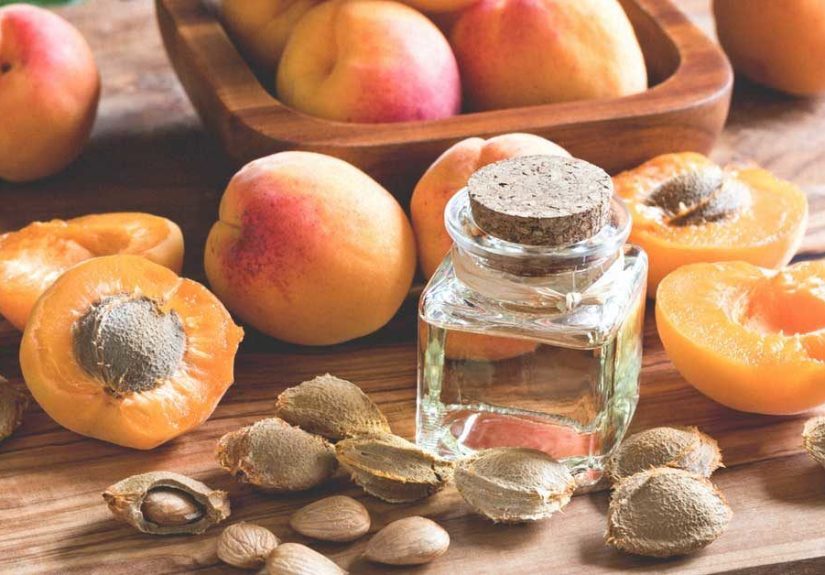
Apricot seeds are the kernels inside the hard pit of an apricot. They look like almonds, taste a bit like almonds (sometimes bitter), and contain a natural chemical called amygdalin. Amygdalin is also found in other stone-fruit seeds (like peach and cherry pits) and bitter almonds.
The cancer claim usually comes in one of three wrappers:
- “Apricot seeds cure cancer.” (Bold claim, zero receipts.)
- “Amygdalin/laetrile kills cancer cells.” (Sometimes true in lab dishes, not the same as helping humans.)
- “Vitamin B17 prevents cancer.” (Plot twist: it’s not actually a vitamin.)
Amygdalin vs. Laetrile vs. “Vitamin B17”
Let’s translate the buzzwords:
- Amygdalin is a naturally occurring compound in apricot kernels and some other seeds.
- Laetrile is a semi-synthetic form related to amygdalin that was promoted as an alternative cancer treatment, especially in the 1970s.
- “Vitamin B17” is a marketing nickname for amygdalin/laetrile. It is not recognized as a vitamin, even if the label looks convincing.
If this feels confusing, that’s not your fault. Confusion is a feature in a lot of supplement marketing. Clarity doesn’t sell nearly as well as hope.
How the “Apricot Seeds Kill Cancer” Story Took Off
The core idea is that amygdalin can break down into cyanide, and cyanide is toxic. Some promoters argue cancer cells are “more vulnerable” to cyanide, so cyanide will selectively kill tumors.
Here’s the problem: your body is not a test tube, and cyanide does not read your diagnosis before it does its thing. The same chemistry that can damage cancer cells can also harm healthy cellsespecially if enough cyanide is produced. That is not a side detail; it’s the central risk.
And because cancer is scary (understatement of the year), it’s common for people to search for “one weird trick” that feels simpler and kinder than surgery, radiation, or chemotherapy. That emotional pull is realand it’s exactly why misinformation spreads so fast in this space.
What the Evidence Says: Effective or Not?
Bottom line: the best available human evidence does not show apricot seeds, amygdalin, or laetrile cure cancer or reliably improve outcomes. Major cancer organizations and medical centers describe a lack of proven benefit in people, while documenting meaningful toxicity risk.
Lab Studies vs. Human Studies (The “Petri Dish Problem”)
You may see headlines that sound like: “Amygdalin kills cancer cells.” In a controlled lab setting, certain compounds can damage cancer cells. But in real human bodies, a treatment must do several things at once:
- Reach the tumor in a useful concentration
- Spare normal tissue enough to be tolerable
- Show measurable benefit in survival, tumor control, or quality of life
- Be consistent and safe across a diverse population
A treatment that “kills cancer cells” in a dish can still fail in humans for many reasons: the dose needed might be unsafe, the body might metabolize it differently, tumors might not respond the same way, or side effects might outweigh any small benefit.
Clinical Research on Laetrile/Amygdalin
When researchers studied amygdalin/laetrile in people with cancer, results did not show meaningful benefit, and toxicity was a major issue. Clinical literature and evidence summaries describe no proven anticancer effect in human trials and note symptoms consistent with cyanide toxicity in some patients.
In other words: the science story is not “They don’t want you to know.” It’s “They studied it, and it didn’t workplus it can hurt you.”
Safety: The Cyanide Problem You Can’t “Wellness” Your Way Around
Amygdalin can be metabolized into cyanide. Cyanide interferes with the body’s ability to use oxygen at the cellular level. That is why cyanide poisoning is dangerous and can become life-threatening.
Why Apricot Seeds Are Risky Even When People Mean Well
- Cyanide exposure can be serious. Food safety and medical sources warn that amygdalin-containing kernels can cause cyanide toxicity.
- Content varies. The amount of amygdalin (and potential cyanide) can differ by product and type (especially bitter kernels).
- Chewing/grinding matters. Breaking the seed increases exposure because it helps release compounds during digestion.
- “Natural” doesn’t mean “safe.” Poison ivy is natural too. Nobody makes a smoothie out of it (and if they do, please don’t follow them).
Symptoms That Should Not Be Ignored
Possible symptoms of cyanide toxicity can include headache, dizziness, weakness, nausea/vomiting, confusion, difficulty breathing, and more severe outcomes in serious cases. If someone has symptoms after ingesting apricot kernels or other stone-fruit seeds, treat it like a real medical issue, not a “detox reaction.”
If you’re in the United States: you can contact Poison Control at 1-800-222-1222 for immediate guidance, and seek emergency care for severe symptoms (trouble breathing, confusion, collapse, bluish skin, seizures).
FDA Warnings and Product Safety Alerts
U.S. regulators have issued safety communications warning consumers about apricot seed products with high amygdalin levels and the risk of cyanide toxicity. That’s not a “maybe.” That’s an official “do not play with this.”
Common Claims (and the Reality Check They Need)
Claim #1: “Apricot seeds cure cancer naturally.”
Reality: There is no reliable clinical evidence that apricot seeds cure cancer in humans. What exists instead is a mix of lab research, anecdotes, and marketingplus documented toxicity risks.
Claim #2: “It’s vitamin B17, so it’s safe.”
Reality: Amygdalin/laetrile is often called “vitamin B17,” but it is not recognized as a vitamin. The label is a persuasive nickname, not a guarantee of safety or effectiveness.
Claim #3: “Cyanide kills cancer cells but not normal cells.”
Reality: Cyanide is toxic to human cells broadly. Even if some cancer cells are vulnerable in a lab setting, the body doesn’t offer a “cancer-only” mode for cyanide.
Claim #4: “My friend took them and is fine.”
Reality: Individual stories can be sincere and still misleading. Cancer outcomes vary widely, people often use multiple treatments at once, and “I felt okay” is not the same as “It is safe and effective.” Also, risk is not evenly distributedsomeone can get lucky while someone else gets poisoned.
If Not Apricot Seeds, Then What? Safer, Evidence-Based Support Options
Wanting additional support during cancer treatment is completely understandable. The goal is to choose options that are evidence-informed, coordinated with your oncology team, and unlikely to cause harm.
Supportive strategies that are commonly recommended
- Nutrition support (especially if appetite, taste, swallowing, or GI side effects are issues)
- Physical activity adapted to your energy and treatment plan (often improves fatigue and mood)
- Sleep strategies (because treatment + stress can wreck sleep)
- Stress reduction (mindfulness, counseling, support groupsreal tools, not magic)
- Symptom management (nausea, pain, neuropathytalk to your care team early, not after you’re miserable)
If you’re looking at supplements, bring a list to your oncology team or pharmacist. Some “natural” products can interact with chemotherapy, radiation, blood thinners, or other medications. The safest supplement plan is the one your clinicians know about.
How to Talk to Your Doctor About Apricot Seeds Without Feeling Awkward
Many people hesitate to mention alternative therapies because they fear being judged. A good clinician would rather hear it than discover it after an ER visit.
Try this script (steal it with pride):
“I’ve seen claims about apricot kernels or vitamin B17. I’m not planning to do anything risky, but can you help me understand the evidence and safety issues?”
Then ask practical questions:
- “Does this interact with my treatment?”
- “Is there any evidence in humans?”
- “What are safer ways to support my immune system and energy?”
- “If I want integrative care, who do you recommend?”
So… Effective or Not? The Honest Verdict
Not effective (based on current human evidence), and potentially dangerous. Apricot seeds contain amygdalin that can generate cyanide, and major evidence reviews and cancer resources do not support laetrile/amygdalin as a cancer treatment in people. The risk/benefit math is lopsided in the worst way: real risk, unproven benefit.
If someone you love is considering apricot seeds for cancer, the most compassionate response is not ridicule. It’s: “I get why you want hope. Let’s choose hope that doesn’t come with cyanide.”
Experiences People Share About Apricot Seeds and Cancer (What Shows Up in Real Life)
Note: The stories below reflect common experiences and patterns people report in clinics, support groups, and online communitiesnot a substitute for medical advice, and not proof of effectiveness. Cancer is personal. So is fear. And unfortunately, so is misinformation.
1) “I found it at 2 a.m. while panic-scrolling.”
A very common origin story starts with insomnia and dread. Someone searches “natural cancer cure” or “how to shrink tumors without chemo,” and the internet delivers a confident post with a confident dose. It usually includes before-and-after claims, a dramatic tone (“They don’t want you to know!”), and a promise that sounds gentler than treatment.
People describe feeling a sudden burst of control: “Finallysomething I can do today.” That feeling is understandable. But it can also be a trap, because it shifts attention from helpful actions (calling the care team, managing side effects, getting nutrition support, attending follow-ups) to risky actions that feel empowering but aren’t evidence-based.
2) “It made me feel sick, but I thought it was ‘detox.’”
Another pattern: someone tries kernels or an amygdalin product, feels nausea, dizziness, headache, or weakness, and then gets told by a seller or influencer that symptoms mean “toxins leaving” or “cancer dying.” People report pushing through symptoms because they’re terrified of missing a chance.
In reality, when a substance has known toxicity risks, feeling suddenly unwell is not something to spiritualize. If symptoms appear after ingesting apricot kernels, the safest move is to stop and get real medical guidance (Poison Control exists for a reason).
3) “My family begged me to try it. Or begged me not to.”
Apricot seeds can become a family drama magnet. Some relatives show up with a bag of kernels like it’s a love language. Others react with anger because it feels like rejecting medicine. The person with cancer is stuck in the middle, managing everyone else’s anxiety on top of their own.
People often describe the most helpful conversations as the ones that stay focused on safety and support, not winning an argument. A line that tends to help: “I appreciate you wanting to help. I’m going to follow options that my oncology team says are safe.”
4) “I didn’t want to tell my doctor.”
Many patients describe hiding supplement use because they fear being judged. But clinicians generally prefer honesty, especially when there’s a poisoning risk or a chance of interactions. In integrative oncology settings, patients often feel relief when the conversation becomes practical: what’s safe, what’s not, and what can actually improve quality of life.
5) “What I really wanted was hopeand a plan.”
When you zoom out, the apricot-seed story is often less about kernels and more about unmet needs: fear, uncertainty, side effects, financial stress, and the desire to participate in your own care. People share that what ultimately helped wasn’t a secret foodit was a clear plan and a team:
- Better symptom management (nausea, pain, fatigue)
- A dietitian who didn’t shame them and actually made eating possible
- Physical therapy or gentle movement that restored confidence
- Counseling or support groups to process the emotional load
- Integrative approaches that are designed for safety (not sales)
If apricot seeds caught your attention, consider what you’re really looking for: more energy, less fear, fewer side effects, a sense of control, better odds. Those goals are legitimate. The key is choosing tools that help you pursue them without adding avoidable risk.
Conclusion
Apricot seeds for cancer are not a proven treatmentand they carry a serious safety concern because amygdalin can generate cyanide. The internet tends to promote the simple story (“seed kills cancer”) and skip the hard parts (“also can poison you,” “human trials didn’t show benefit,” “regulators warned consumers”). If you want complementary support, the safest path is to work with your oncology team and evidence-based integrative resources that focus on quality of life and treatment supportnot unproven cures.