Table of Contents >> Show >> Hide
- What is the Jude Allman ceramic bell?
- Who is Jude Allman?
- Why ceramic bells are having a moment
- Material matters: stoneware, sound, and durability
- Design details that make the Jude Allman bell recognizable
- How people use ceramic bells at home
- Indoor vs. outdoor: what to consider
- Buying and collecting: how to shop thoughtfully
- Care and cleaning: keep it lovely without making it a project
- Why the Jude Allman ceramic bell works as “quiet design”
- Experiences with the Jude Allman ceramic bell (the extra )
- SEO tags
Some home accessories shout for attention. Others whisper, and somehow end up being the thing everyone comments on.
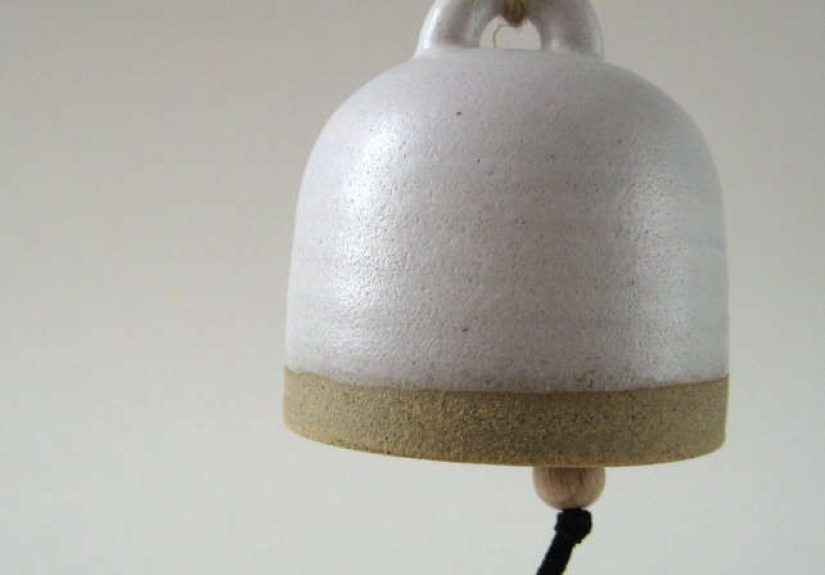
The Jude Allman ceramic bell lives firmly in the second category: a small, hand-thrown stoneware bell
with a clean white finish, an easy hoop handle, and a simple clapper that gives it a soft, satisfying chime.
It’s the kind of object that feels instantly “considered,” like you didn’t buy it to fill spaceyou bought it because
you actually like space.
If you’ve seen the bell featured online, you’ve probably noticed the minimal, modern-rustic vibe: a plain white satin-matte
glaze on the outside, the earthy honesty of stoneware, and a small wooden bead on a suede cord acting as the clapper.
It can be used as a hand bell or hung as a subtle wind chime, and it’s often described as best indoors but workable outdoors
when the weather behaves itself (a rare and magical season known as “clement”).
What is the Jude Allman ceramic bell?
In the simplest terms, it’s a hand-thrown stoneware bell designed for decoration and gentle sound.
The version that’s been most widely described is compactabout 7 cm high (including the handle) and 6 cm across
(roughly 2.7 inches by 2.3 inches)with the glaze applied to the outside only.
The clapper setup is intentionally uncomplicated: a small wooden bead attached to a brown suede cord.
That stripped-back construction is a big part of the charm: it’s not trying to be a cathedral bell; it’s trying to make your
entryway feel calmer.
Another important detail for collectors (and gift-givers who want to sound fancy): it’s typically presented as
one of a kind, and small variations in glaze or surface finish are expected because handmade ceramics do not do
“factory identical” no matter how politely you ask.
Who is Jude Allman?
Jude Allman is a studio potter known for hand-thrown stoneware pottery made in small batches with a practical,
modern rustic aesthetic. In her shop bio, she describes running her pottery business independently, making and designing her work
herself, and being full-time since 2007. She also describes working from a home studio, using an electric kiln, and mixing glazes
from scratch for functional warewhile occasionally doing pit- or barrel-firing for more unpredictable, experimental results.
That “controlled accidents” philosophytiny differences that make each piece uniquematters for understanding why the bell works.
The bell’s appeal isn’t perfection; it’s personality. In other words, you’re not buying a bell-shaped object.
You’re buying a quiet little example of someone’s craft decisions.
Why ceramic bells are having a moment
Ceramic hanging bells sit in a sweet spot between sculpture and everyday décor. They’re functional enough to justify their existence
(“Yes, it chimes!”) but artistic enough to feel like a small upgrade to your environment. Design writers have pointed out that the
handmade ceramic hanging bell has returned alongside a broader pottery renaissancebringing back the breezy, bohemian-modern energy
without forcing you to commit to a full 1970s macramé wall.
The Jude Allman bell fits that revival perfectly because it’s restrained. It doesn’t rely on loud patterns or complicated hardware.
It’s a calm object that adds texture, sound, and a handmade presencethree things many homes want more of.
Material matters: stoneware, sound, and durability
Stoneware in plain English
Stoneware is a type of pottery fired at relatively high temperatures so it becomes dense and durable. In practical terms, that density
affects both how the bell holds up and how it sounds. Denser ceramic bodies tend to produce a cleaner,
more stable ring than softer, more porous earthenware. (Not “church bell,” but definitely “pleasant presence.”)
Firing and “heatwork” (why ceramic nerds talk about cones)
If you’ve ever heard potters discuss “cone 6” or “cone 10,” they’re talking about a standardized way to measure heatworkhow heat and time
combine to mature clay and glaze. In general reference charts used by ceramic educators, stoneware ranges overlap mid- to high-fire schedules,
and temperature changes lead to physical transformations in the clay body as it becomes more glass-like and dense.
Translation: the firing schedule influences strength, resonance, and how well the glaze bonds.
For a bell, that matters because you want a piece that can be handled, hung, and lightly bumped without acting dramatic.
A well-made stoneware bell should feel sturdy in the hand and balanced when hunglike it belongs there.
Design details that make the Jude Allman bell recognizable
The bell’s design is minimal, but not generic. Here are the details commonly associated with the featured Jude Allman ceramic bell:
- Hand-thrown stoneware form with a simple, modern silhouette.
- Small hoop handle that works for holding or hanging.
- White satin-matte glaze on the exterior only, keeping the inside more natural.
- Wooden bead clapper attached to a suede cord (often described as brown).
- Compact scale (about 7 cm tall including the handle, 6 cm wide).
- Intended for indoors but usable outdoors in mild conditions.
That combinationmatte white outside, natural feel, simple clappercreates a look that fits a lot of spaces:
Scandinavian-adjacent, modern farmhouse, bohemian minimal, coastal calm, “I buy oat milk but I’m not annoying about it,” and so on.
How people use ceramic bells at home
Ceramic bells are surprisingly flexible because they’re small and architectural. Here are practical, good-looking ways to use one:
1) Entryway “hello” without the doorbell energy
Hang it near an entryway hook or inside a mudroom. It can act like a gentle reminder: keys, bag, deep breath, exit.
If you want sound without startling anyone (including you), ceramic is a friendly choice.
2) Seasonal styling that doesn’t look like a craft store exploded
In winter, ceramic bells feel quietly festiveespecially in white. In spring and summer, they read as breezy and coastal.
In fall, pair a bell with dried stems and warm wood tones, and it becomes “cozy” with almost no effort.
3) A calm alternative to wind chimes
Traditional metal wind chimes can be loud and persistent (and occasionally inspire neighborhood debates).
A ceramic bell is typically softer and more occasional. If you like the idea of sound outside, but not the idea of becoming
“the wind chime house,” this is a gentle compromise.
4) Gift topper that becomes the gift
A small bell can be tied onto a wrapped present as a reusable decoration. It’s charming, practical, and frankly shows off.
(“I didn’t just wrap your gift; I accessorized it.”)
Indoor vs. outdoor: what to consider
The featured bell is often described as ideal indoors but okay outdoors during mild seasons.
That guidance makes sense for ceramics: outdoor exposure adds variableswind, rain, UV on cords, and freeze-thaw cycles.
Even if the ceramic body is durable, the hanging materials (cord, suede, knots) can age faster outside.
If you want to use a ceramic bell outdoors, consider these common-sense moves:
- Choose a sheltered spot (porch, covered patio, protected garden wall).
- Bring it inside during freezing weather or heavy storms.
- Check cords and knots periodically, especially after rain.
- Keep it from knocking into brick or metal surfaces in strong wind (ceramic is brave, not invincible).
Buying and collecting: how to shop thoughtfully
Collecting ceramics isn’t only about priceit’s about connection, provenance, and the feeling that an object belongs in your life.
Collecting advice from art platforms often boils down to a few timeless ideas: follow what genuinely moves you, learn an artist’s work,
and pay attention to condition and authenticity.
What to look for in an authentic “artist-made” bell
- Clear maker attribution (shop, gallery, or documentation that identifies the potter).
- Handmade indicators: subtle asymmetry, tool marks, glaze variation that looks intentional.
- Quality of finish: a stable handle, smooth edges where your hand touches, secure clapper attachment.
- Sound test: a pleasant tone when gently rung (not a rattle of regret).
What affects price?
For studio pottery objects like bells, pricing often reflects the maker’s reputation, the labor involved, materials and firing costs,
and whether the piece is one-of-a-kind. A compact bell might look simple, but it still includes skilled forming, drying, bisque firing,
glazing decisions, glaze firing, and finishing/hardware. The simplicity is the result of worknot the absence of it.
Care and cleaning: keep it lovely without making it a project
Museums and conservation groups tend to agree on a cautious approach for ceramics: handle gently, avoid harsh cleaners, and don’t rush drying
if you do use water. For stable, glazed surfaces, gentle cleaning methods are generally favored over aggressive scrubbing.
A soft brush for dust is often the safest default.
Practical care tips for a ceramic bell:
- Dust first with a soft, dry brush or microfiber cloth.
- If needed, wipe gently with a slightly damp clothavoid soaking cords or suede.
- Avoid harsh detergents, abrasives, or anything that could dull a matte surface.
- Dry fully before rehanging, especially around knots and clapper cords.
- Store safely (wrap the bell, keep it from knocking against hard objects).
A quick safety note about decorative ceramics
This bell is decorative, not foodwarebut it’s still useful to know that some ceramics (especially traditional or imported food-contact wares)
can involve lead in glazes or decoration. U.S. public health agencies have documented lead exposure risks when lead-containing glazes contact food
and beverages, and the FDA advises against using pottery with leachable lead for food use.
For a decorative bell, the practical takeaway is simple: don’t repurpose decorative ceramics for eating or drinking unless they’re clearly made for
that purpose, and keep small decorative objects out of reach of very young children who might mouth them.
Why the Jude Allman ceramic bell works as “quiet design”
Design isn’t always about adding more. Sometimes it’s about choosing one small thing that changes the feel of a space.
The Jude Allman ceramic bell is a great example of “quiet design” because it does a lot with very little:
it adds a tactile handmade surface, a calm neutral color, a shape that reads as both modern and timeless, and a gentle sound that makes
a home feel lived-in.
And there’s something oddly satisfying about an object that does exactly what it promises. It’s a bell.
It looks good. It rings. End of drama.
Experiences with the Jude Allman ceramic bell (the extra )
The best way to understand a ceramic bell is to watch what people do with it once it leaves the “product photo” phase of life.
In real homes, these bells tend to become small ritualstiny habits you don’t plan, but end up appreciating.
Someone hangs it near the back door and gives it a gentle ring before stepping outside, not because they need to announce themselves,
but because the sound signals a moment of transition: inside to outside, work to rest, weekday to weekend.
It’s a miniature punctuation mark in the day.
Gift-giving is where ceramic bells really shine. People who buy handmade pottery often describe it as both beautiful and robustpretty enough
to display, practical enough to live with. That matters when you’re giving something that’s supposed to last.
A bell like this feels personal without being overly specific. It works for a housewarming (“welcome home”), a birthday (“this is your year”),
or a holiday (“yes, it’s festive, but not glittery”). And because it’s small, it doesn’t demand a whole redesign of someone’s space.
It just slips in and starts doing its job: looking good and making a gentle sound when the air moves.
There’s also the experience of touch, which is easy to underestimate until you have the object in your hand.
A well-thrown stoneware bell has a comforting weightenough to feel substantial, not so much that it feels clunky.
The satin-matte surface reads as soft visually, even before you touch it. People often notice how a matte glaze changes the mood:
glossy ceramics can feel bright and “finished,” while matte ceramics feel calm and grounded, like they belong near wood, linen,
paper, and natural light. The bell becomes part of that quieter palette.
Outdoors, the experience becomes more about atmosphere than sound volume. On a sheltered porch, a ceramic bell can chime when a breeze
catches it, and the result is usually subtlemore “presence” than “performance.” That’s ideal for people who want a sense of life
outside without a constant soundtrack. The bell doesn’t dominate the space; it participates in it.
And because outdoor conditions can be unpredictable, owners often develop a simple seasonal rhythm:
hang it up when the weather is mild, bring it in when storms or freezing temperatures arrive.
Over time, that routine becomes part of the pleasure, like moving plants indoors for winter or swapping out lighter textiles in spring.
Finally, there’s the experience that collectors talk about most: the satisfaction of owning something that clearly came from a human hand.
Even when a ceramic bell is minimalist, it rarely feels anonymous. Tiny differences in glaze, the curve of the form, and the way the handle
meets the body create a signature. People who love studio pottery often describe building small “collections” unintentionally:
one piece becomes two, then a mug joins a bowl, and eventually a bell ends up hanging near a window where it catches the light.
The bell becomes less of an “item” and more of a small, steady reminder that craft still existsquietly, beautifully, and without needing
to shout.