Table of Contents >> Show >> Hide
- What Is the Hailo 0622-219 Öko Duo 22?
- Key Specifications at a Glance
- Design: Compact, Clean, and Purposeful
- Two 11-Liter Buckets: Small but Smart
- Pedal Operation: More Hygienic, Less Annoying
- Why a Dual Waste Separator Makes Sense
- Best Uses for the Hailo Öko Duo 22
- What Can Go in Each Side?
- Recycling Tips That Make This Bin More Effective
- Strengths of the Hailo 0622-219 Öko Duo 22
- Limitations to Consider Before Buying
- How It Compares With Larger Waste Separators
- Setup Tips for Better Daily Use
- Cleaning and Maintenance
- Is the Hailo 0622-219 Öko Duo 22 Worth It?
- Practical Experience: Living With the Hailo 0622-219 Öko Duo 22
- Conclusion
The Hailo 0622-219 Öko Duo 22 Pedal Waste Separator is one of those home products that looks simple at first glance, then quietly starts solving a problem you did not realize was stealing tiny pieces of your patience every day. Trash on one side, recyclables on the other. Step on the pedal, drop it in, move on with your life. No cabinet gymnastics. No mystery bag under the sink. No “Wait, is this the recycling or the regular trash?” debate while holding a yogurt cup like it is courtroom evidence.
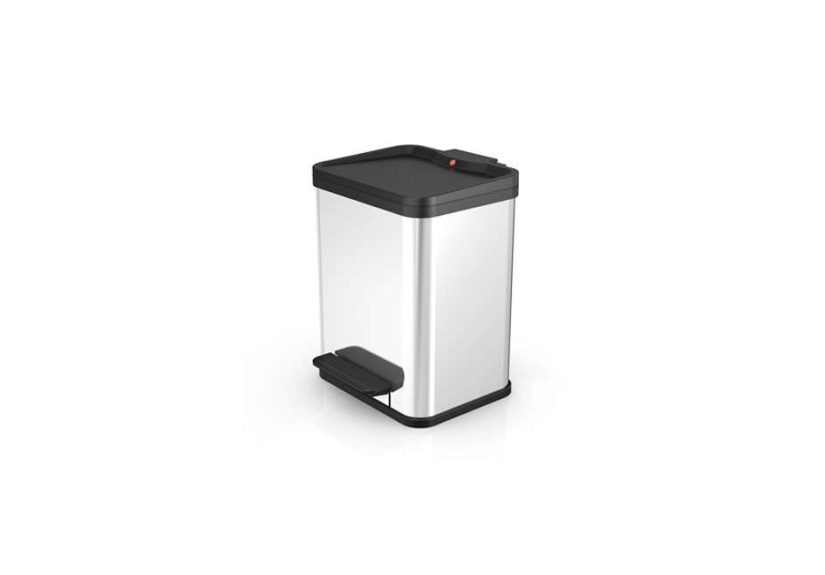
Designed as a compact two-compartment pedal bin, the Hailo Öko Duo 22 gives households a practical way to separate waste at the source. It is especially useful in kitchens, apartments, home offices, utility rooms, and small workspaces where recycling matters but floor space is not exactly rolling out a red carpet. With two removable 11-liter inner buckets, a rectangular body, a black plastic lid, and a foot-operated opening mechanism, this separator focuses on everyday convenience rather than flashy smart-bin theatrics.
In this in-depth guide, we will look at what the Hailo 0622-219 Öko Duo 22 is, who it is best for, how it performs in real-life use, what to consider before buying, and how to make the most of a dual-bin waste separator without turning your kitchen into a recycling lecture hall.
What Is the Hailo 0622-219 Öko Duo 22?
The Hailo 0622-219 Öko Duo 22 is a dual-compartment pedal waste separator made for two-way waste sorting. The “22” in the name refers to its total capacity: two inner bins of 11 liters each, giving it a combined volume of 22 liters. The model is commonly associated with the Trento Öko Duo 22 line and the 0622-219 part number, with “219” identifying the silver sheet-steel version.
Its basic job is straightforward: help users separate two waste streams in one tidy unit. In many homes, that means general waste in one bucket and recyclable packaging in the other. In some households, one side may be used for compostable food scraps and the other for landfill waste. In an office, it might separate paper from non-recyclables. The beauty of the design is that it does not force one system on everyone; it simply gives you two clearly divided containers in a small footprint.
Key Specifications at a Glance
- Product name: Hailo 0622-219 Öko Duo 22 Pedal Waste Separator
- Product type: Freestanding pedal waste separator
- Total capacity: 22 liters
- Inner bins: 2 removable plastic buckets, 11 liters each
- Inner bin colors: Green and brown
- Housing: Rectangular sheet steel body, silver finish
- Lid: Black plastic lid
- Opening system: Foot pedal with internal pedal mechanism
- Approximate dimensions: 44 cm high, 32 cm wide, 25 cm deep
- Best use: Kitchens, apartments, offices, utility rooms, and recycling stations
Design: Compact, Clean, and Purposeful
The Hailo Öko Duo 22 does not try to look like a spaceship, and that is a good thing. Its rectangular shape makes it easier to place against a wall, beside a cabinet, near a kitchen island, or under a counter overhang if the height allows. Round bins can look attractive, but they often waste corner space. This model is more practical: flat sides, clean lines, and a narrow profile that fits where real people actually need a trash bin.
The silver housing gives it a neutral look that can blend with stainless steel appliances, chrome fixtures, gray cabinetry, or modern minimalist kitchens. The black lid adds contrast while helping hide everyday marks better than a pale lid might. Since the lid and pedal are plastic, the touch points are lightweight and easy to operate. The housing, meanwhile, uses sheet steel, giving the unit more structure than an all-plastic bin.
Two 11-Liter Buckets: Small but Smart
Each removable inner bucket holds 11 liters, which is enough for daily kitchen sorting in many small households but not so large that trash sits around long enough to develop its own personality. This size encourages more frequent emptying, which is useful for odor control, especially if one side is used for packaging with food residue or compostable scraps.
The removable buckets are one of the product’s strongest everyday features. Instead of wrestling with a full bag inside a fixed container, you can lift out the bucket, carry it to a larger outdoor bin, rinse it if needed, and put it back. This sounds minor until the first time a coffee filter misses the liner or a tomato sauce lid decides to leave a red autograph inside the bin. Removable buckets make cleanup less dramatic.
Pedal Operation: More Hygienic, Less Annoying
The wide foot pedal is a practical choice for a kitchen waste separator. When your hands are full of onion peels, packaging, or a suspiciously sticky takeout container, touching a lid is not ideal. A pedal-operated lid keeps hands cleaner and makes sorting feel automatic. That matters because the easier a recycling system is to use, the more likely people are to use it correctly.
The internal pedal mechanism also keeps the outside looking cleaner. There are fewer exposed moving parts, and the bin maintains a streamlined appearance. For households with kids, roommates, or busy cooks, that small convenience adds up. Nobody wants recycling to feel like assembling furniture. Step, drop, done.
Why a Dual Waste Separator Makes Sense
A dual waste separator solves a behavioral problem, not just a storage problem. Many households want to recycle more consistently, but the system falls apart when the recycling bin is too far away or unclear. If recyclables must be carried to a garage, balcony, or outdoor container every time, people start making “just this once” decisions. Those decisions multiply. Suddenly the landfill bin is hosting cans, plastic bottles, cardboard, and a guilt complex.
By placing two waste streams in one accessible unit, the Hailo 0622-219 makes sorting immediate. A cereal box can go to one side, a used paper towel to the other. A rinsed jar goes one way, greasy packaging goes another. The bin becomes a small decision station, and the convenience helps good habits stick.
Best Uses for the Hailo Öko Duo 22
1. Small and Medium Kitchens
This model works well in kitchens where space is limited but waste sorting is still a priority. It can sit beside a counter, near a prep area, or close to a dishwasher so containers can be quickly rinsed before recycling. The 22-liter total capacity is ideal for people who empty bins regularly rather than letting one giant trash bag linger all week.
2. Apartments and Condos
Apartment living often comes with limited storage and shared disposal rules. The Öko Duo 22 gives renters and condo owners a compact way to separate recyclables before carrying them to a building’s collection area. Its slim rectangular footprint is especially helpful where every square inch is already negotiating for survival.
3. Home Offices
In a home office, one side can handle paper and the other can handle general waste. It is cleaner than having multiple small bins scattered around the room, and it encourages better sorting without making the office look like a miniature recycling center.
4. Utility Rooms and Laundry Areas
Laundry rooms produce lint, packaging, empty detergent containers, dryer sheet boxes, and other mixed waste. A two-bin separator can help keep recyclable packaging separate from non-recyclable household waste.
What Can Go in Each Side?
The best setup depends on local recycling rules, because accepted materials vary by city and waste provider. However, many households use the two sides like this:
- Side one: General trash, wrappers, non-recyclable plastics, used tissues, and contaminated packaging
- Side two: Clean recyclables such as paper, cardboard, metal cans, glass containers, and accepted plastic containers
If your municipality offers food-scrap collection, you might use one bucket for compostable scraps and the other for regular trash. Just be realistic: food scraps can create odor faster than dry recyclables. If using one side for organics, empty it often, use compostable liners only if your program accepts them, and rinse the bucket regularly.
Recycling Tips That Make This Bin More Effective
A good waste separator helps, but it cannot magically fix bad sorting habits. To get better results, keep recyclables reasonably clean and dry. A quick rinse is usually enough for bottles, jars, tubs, and cans. Greasy paper, heavily food-soiled cardboard, and plastic bags are common contamination troublemakers, so check local rules before tossing them into the recycling side.
One practical trick is to place a small label above or inside the lid. Use simple wording such as “Trash” and “Recycling,” or add icons for guests and kids. Color-coded buckets already help, but labels reduce confusion. Nobody wants a dinner guest staring into the bin like it is a final exam.
Strengths of the Hailo 0622-219 Öko Duo 22
Compact Footprint
At around 32 cm wide and 25 cm deep, this separator is compact enough for tight spaces. It does not dominate the room, and it can fit where larger dual-bin systems may feel bulky.
Simple Two-Way Sorting
Two compartments are often enough for everyday households. More compartments can be useful, but they also take up more space and can confuse users. The Öko Duo 22 keeps the system simple: one side for this, one side for that.
Removable Inner Buckets
The removable plastic buckets make emptying and cleaning easier. They also allow users to carry one waste stream at a time, which is handy if recyclables and trash go to different outdoor containers.
Hands-Free Opening
The foot pedal helps reduce contact with the lid, which is useful during cooking, cleaning, and quick disposal tasks.
Clean, Neutral Appearance
The silver housing and black lid look understated. It is not a luxury showpiece, but it is tidy enough to live in visible kitchen space without offending the appliances.
Limitations to Consider Before Buying
The main limitation is capacity. Two 11-liter buckets are practical for small households, offices, or people who empty waste frequently. Larger families or enthusiastic home cooks may find the bins fill quickly, especially the recycling side if cardboard and containers are not flattened or compacted.
The second consideration is lid clearance. Because it opens upward by pedal, you need enough vertical space above the bin. It may not be ideal inside a low cabinet unless there is room for the lid to move comfortably.
Finally, the model may not always be easy to find new in every market because some older Hailo product numbers have been replaced or supplemented by newer Öko Duo Plus models. Shoppers should verify the exact model number, capacity, color, dimensions, and seller condition before purchasing.
How It Compares With Larger Waste Separators
Compared with a larger 30-liter or three-compartment separator, the Hailo 0622-219 Öko Duo 22 is more compact and easier to place in small kitchens. It is best for people who value neatness and space efficiency over maximum storage. Larger models are better for families that generate more packaging, households with separate compost collection, or kitchens where the bin is emptied less often.
Think of the Öko Duo 22 as a focused tool. It does not try to manage every waste category in your home. It gives you two clear compartments and says, politely but firmly, “Let’s at least stop putting soda cans in with banana peels.”
Setup Tips for Better Daily Use
Start by deciding what each side will hold. Do not switch categories every few days, or everyone in the household will lose trust in the system. If green means recycling today and trash tomorrow, chaos wins. Assign a purpose and keep it consistent.
Next, choose liners carefully. Standard small trash bags may fit, but check bucket shape and height before buying in bulk. For dry recyclables, you may not need a liner at all; skipping liners can save money and reduce plastic use. For wet waste or food scraps, a liner can make cleanup easier, but it should match your local disposal rules.
Place the bin where the waste is generated. In most kitchens, that means near the prep counter or sink. If it is too far away, people will not use it correctly. Convenience is the secret ingredient in every successful household system, right next to coffee and pretending the junk drawer is organized.
Cleaning and Maintenance
Maintenance is simple. Remove the buckets, empty them, wipe the interior, and clean any spills before they become stubborn. For normal cleaning, warm water and mild dish soap are usually enough. Avoid abrasive scrubbers on finished surfaces because they can dull or scratch the housing.
If odors appear, check the usual suspects: food residue, wet packaging, and old liners. Rinse containers before recycling, let wet items dry when possible, and empty organic waste more often. A small sprinkle of baking soda in the bottom of a dry bucket can help with mild odors, but regular emptying is still the real hero.
Is the Hailo 0622-219 Öko Duo 22 Worth It?
The Hailo 0622-219 Öko Duo 22 is worth considering if you want a compact, durable, two-bin pedal separator for everyday waste sorting. It is not the biggest bin, the fanciest bin, or the kind of bin that connects to Wi-Fi and sends motivational recycling quotes. Thankfully. Instead, it is a practical household tool with a clear purpose: make two-way waste separation easier.
It is best for small households, apartments, tidy kitchens, and users who want a simple recycling station without buying a large built-in system. If you generate a lot of waste or need three-way sorting for trash, recycling, and compost, a larger model may be better. But if your goal is neat, quick, space-saving waste separation, the Öko Duo 22 makes a strong case.
Practical Experience: Living With the Hailo 0622-219 Öko Duo 22
Using a dual pedal waste separator like the Hailo 0622-219 Öko Duo 22 changes the rhythm of a kitchen in small but noticeable ways. The first improvement is mental. Instead of keeping recycling as a separate chore, the decision happens immediately. You finish a carton of milk, rinse it, step on the pedal, and drop it into the recycling side. The action takes seconds, which means it actually gets done.
The second improvement is visual. A kitchen with one overflowing trash bag and a side pile of “things to recycle later” looks messy fast. The Hailo Öko Duo 22 gives those items a home. Even if the home is only 11 liters per side, it is better than the countertop cardboard tower that starts with one cereal box and somehow becomes a skyline.
In daily cooking, the hands-free pedal becomes surprisingly important. When chopping vegetables, cleaning packaging, or scraping plates, you do not want to touch a lid repeatedly. The pedal keeps the process cleaner and faster. It also makes the bin easier for kids or guests to use because the action is obvious. Step here, lid opens, choose a side. That is about as close as trash disposal gets to user-friendly design.
The 11-liter bucket size feels best when the household empties waste regularly. For one or two people, it can be just right. For a family that cooks every meal at home, the recycling side may fill quickly unless containers are flattened and cardboard is broken down. This is not necessarily a flaw; it is a reminder that compact bins work best as daily-use stations, not as long-term storage. The outdoor bin, garage container, or building recycling area still does the heavy lifting.
The removable buckets make cleaning much less annoying. If something leaks, you are not trying to wipe the bottom of a tall, fixed bin while crouched like a disappointed archaeologist. You lift the bucket out, wash it, dry it, and return it. The colored buckets also help create habits. Even without labels, users quickly remember which side is which. Adding a small sticker can make the system nearly foolproof.
One experience-based tip is to avoid using the recycling side as a “maybe recyclable” zone. That creates contamination and confusion. Keep a simple rule: only clean, accepted materials go in. When unsure, check local rules or place the item in regular trash. Another tip is to keep the bin near the sink. Rinsing containers before recycling becomes easier when the bin is only one step away.
Over time, the Hailo 0622-219 Öko Duo 22 works best not because it is complicated, but because it is simple. It reduces friction. It makes sorting visible. It keeps small kitchens calmer. And it gives everyday waste a system before it becomes clutter. That may not sound glamorous, but in a real home, practical beats glamorous almost every time.
Conclusion
The Hailo 0622-219 Öko Duo 22 Pedal Waste Separator is a smart choice for anyone who wants cleaner, simpler, and more consistent household waste separation. Its two removable 11-liter buckets, compact rectangular body, foot pedal operation, and understated silver-and-black design make it especially useful for kitchens, apartments, offices, and utility rooms. It will not replace a full outdoor recycling setup, but it makes the first step of sorting easierand that is where better habits usually begin.
If you need a compact recycling bin that respects your floor space, keeps two waste streams separate, and does not require a complicated installation, the Hailo Öko Duo 22 deserves attention. It is practical, tidy, and refreshingly straightforward. In the world of household bins, that is basically a standing ovation.