Table of Contents >> Show >> Hide
- Is Losing 12 Pounds in 12 Weeks Realistic?
- Tip 1: Create a Modest Calorie Deficit Without Starving
- Tip 2: Build Meals Around Protein, Fiber, and Volume
- Tip 3: Combine Cardio, Strength Training, and Daily Movement
- Tip 4: Protect Sleep and Manage Stress
- Tip 5: Track Progress Without Obsessing Over the Scale
- Common Mistakes That Slow 12-Week Weight Loss
- A 12-Week Roadmap to Lose 12 Pounds
- Real-Life Experience: What Losing 12 Pounds in 12 Weeks Actually Feels Like
- Conclusion
Note: This article is for general education and healthy lifestyle planning. If you are pregnant, under 18, managing a medical condition, taking weight-related medication, or have a history of disordered eating, talk with a qualified healthcare professional before starting a weight-loss plan.
Losing 12 pounds in 12 weeks sounds like the title of a fitness challenge, but thankfully, it does not require living on celery, crying into your salad, or developing a suspicious emotional bond with your bathroom scale. A 12-pound goal over 12 weeks breaks down to about one pound per week, which is a realistic and sustainable pace for many adults.
The real trick is not finding a magical “fat-burning” tea, wearing three sweatshirts on a treadmill, or declaring war on bread. The real trick is building a routine that creates a steady calorie deficit while still giving your body enough food, movement, sleep, and patience to function like a normal human being. In other words: less panic, more plan.
This guide explains how to lose 12 pounds in 12 weeks using five practical tips rooted in real nutrition and exercise principles. You will learn how to set a calorie target, build filling meals, move in a way that supports fat loss, manage sleep and stress, and track progress without letting the scale become your tiny digital boss.
Is Losing 12 Pounds in 12 Weeks Realistic?
For many people, yes. A goal of losing 12 pounds in 12 weeks equals roughly one pound per week. That pace is often more realistic than extreme crash diets because it gives you room to eat balanced meals, exercise safely, and adjust when life happens. And life will happen. Birthday cake will appear. Work meetings will run late. Your couch will whisper your name after dinner.
Weight loss depends on several factors, including starting weight, body composition, age, sex, activity level, sleep, stress, hormones, medications, and consistency. Two people can follow the same plan and lose weight at different speeds. That does not mean one person is “doing it wrong.” It means bodies are not calculators with sneakers.
A steady plan usually works better than a dramatic one because the goal is not just to lose weight. The goal is to lose weight in a way you can maintain. If your plan makes you exhausted, cranky, socially unavailable, and weirdly obsessed with rice cakes, it is probably too aggressive.
Tip 1: Create a Modest Calorie Deficit Without Starving
To lose weight, your body needs to use more energy than you consume over time. This is called a calorie deficit. For a 12-week goal, many people aim for a moderate daily deficit rather than a drastic one. A commonly used starting point is about 300 to 500 fewer calories per day, adjusted based on progress, hunger, energy, and personal needs.
The word “deficit” can sound scary, like your lunch has been repossessed. But a smart calorie deficit is not the same as eating as little as possible. It means making small, strategic changes that reduce total calories while keeping meals satisfying.
Simple ways to reduce calories without feeling punished
Start with the easiest wins. Replace sugary drinks with water, sparkling water, or unsweetened tea. Use smaller amounts of oils, creamy sauces, and dressings. Choose grilled, baked, roasted, or air-fried foods more often than fried options. Keep dessert, but make it intentional instead of automatic. A cookie you enjoy slowly is better than six cookies eaten while standing in the pantry like a raccoon with Wi-Fi.
Portion awareness also matters. You do not need to weigh every almond for the rest of your life, but it helps to learn what normal portions look like. Many nutritious foods, such as nuts, peanut butter, olive oil, avocado, cheese, and granola, are healthy but calorie-dense. They can absolutely fit into a weight-loss plan, but they are not “free foods.” Sadly, olive oil does not become calorie-free because it sounds Mediterranean.
Use a weekly view, not a perfect-day view
Think in weekly averages. If you eat a larger dinner on Saturday, you do not need to restart your life on Monday. Balance it by returning to your usual habits at the next meal. Weight loss is not ruined by one restaurant meal. It is usually slowed by the “well, I already messed up” spiral that turns one indulgence into three days of snack chaos.
Tip 2: Build Meals Around Protein, Fiber, and Volume
If your weight-loss plan leaves you hungry all day, it will eventually lose a staring contest with pizza. Hunger is one of the biggest reasons people quit. That is why your meals should be built around foods that help you feel full: lean protein, high-fiber carbohydrates, fruits, vegetables, beans, lentils, whole grains, and healthy fats in reasonable portions.
Protein helps support muscle while you lose weight and can make meals more satisfying. Fiber slows digestion and adds bulk, helping you feel fuller with fewer calories. High-volume foods, especially vegetables and fruit, let you eat a generous plate without turning your calorie budget into confetti.
The simple plate method
For many meals, try this easy structure:
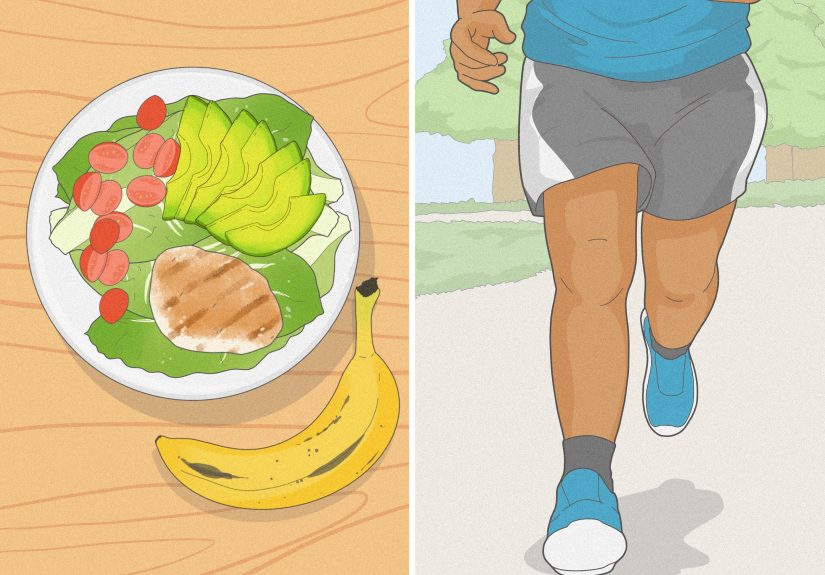
- Half the plate: non-starchy vegetables or fruit, such as leafy greens, broccoli, peppers, carrots, berries, apples, or tomatoes.
- One quarter: protein, such as chicken, turkey, fish, eggs, tofu, Greek yogurt, cottage cheese, beans, lentils, or lean beef.
- One quarter: high-fiber carbohydrates, such as oats, brown rice, quinoa, potatoes, sweet potatoes, whole-grain bread, or whole-wheat pasta.
- A small add-on: healthy fat, such as avocado, olive oil, nuts, seeds, or dressing.
This method works because it removes the “what should I eat?” drama. You are not banning carbs or pretending cauliflower is a personality. You are simply building a plate that keeps you full and supports a calorie deficit.
Example day for a 12-week weight-loss plan
Breakfast: Greek yogurt with berries, oats, and a sprinkle of nuts.
Lunch: Grilled chicken or tofu bowl with brown rice, roasted vegetables, salsa, and avocado.
Snack: Apple with cottage cheese, a boiled egg, or hummus with carrots.
Dinner: Salmon, turkey chili, lentil soup, or lean protein with a baked potato and a large salad.
Optional treat: A small portion of chocolate, popcorn, or your favorite dessert eaten slowly and without guilt.
Notice what is missing: misery. A successful plan should include food you enjoy. If your meals taste like cardboard wearing a fitness tracker, you will not stick with them for 12 weeks.
Tip 3: Combine Cardio, Strength Training, and Daily Movement
Exercise helps you burn calories, preserve muscle, improve cardiovascular health, boost mood, and feel more capable in your body. But you do not need to train like an action-movie hero who has 48 hours to save the world. For losing 12 pounds in 12 weeks, consistency beats intensity.
A practical weekly exercise target
A strong starting point is to aim for at least 150 minutes of moderate-intensity cardio per week, spread across several days. Brisk walking, cycling, swimming, dancing, hiking, and using an elliptical all count. Moderate intensity means you can talk, but singing would be rude to everyone nearby and probably difficult.
Add strength training two to three days per week. This can include dumbbells, resistance bands, machines, bodyweight exercises, or simple movements such as squats, lunges, pushups, rows, hip hinges, and planks. Strength training helps maintain muscle while you lose weight, which supports metabolism, posture, and long-term weight management.
Do not underestimate walking
Daily movement outside formal workouts can make a major difference. This includes walking, cleaning, gardening, taking stairs, standing more often, and doing errands on foot when possible. These small activities are sometimes easier to maintain than long gym sessions.
If you are currently inactive, start with a 10-minute walk after one meal per day. After a week, increase it to 15 minutes. Then add another short walk. Small steps are not embarrassing; they are how momentum is built. Nobody becomes consistent by yelling “new life!” at 5 a.m. and then being too sore to sit down for four days.
Sample weekly workout schedule
- Monday: 30-minute brisk walk plus 20 minutes of strength training.
- Tuesday: 30-minute bike ride or walk.
- Wednesday: Strength training and light stretching.
- Thursday: 30- to 40-minute walk, swim, or dance workout.
- Friday: Strength training plus a short walk.
- Saturday: Longer relaxed activity, such as hiking, sports, or active errands.
- Sunday: Rest, mobility, or an easy walk.
The best exercise plan is the one you can repeat. If you hate running, do not build your plan around running. Your body does not know whether calories were burned by jogging, dancing, or aggressively cleaning the garage while questioning your storage choices.
Tip 4: Protect Sleep and Manage Stress
Sleep may not look like a weight-loss tool because you are not sweating, counting reps, or chopping vegetables. But poor sleep can make weight loss harder by increasing hunger, cravings, fatigue, and impulsive eating. When you are tired, your brain does not ask for grilled fish and steamed broccoli. It asks for a muffin the size of a couch cushion.
Most adults do best with at least seven hours of sleep per night. Quality matters too. If your sleep schedule is chaotic, your appetite and energy can feel chaotic. A consistent bedtime, dimmer lights at night, less screen time before bed, and avoiding heavy late meals can all support better sleep.
Stress eating is not a character flaw
Stress can also affect weight loss. Many people eat more when they feel overwhelmed, bored, lonely, rushed, or emotionally drained. The solution is not to shame yourself. Shame is a terrible coach. The solution is to build alternative responses.
Try a short walk, five minutes of breathing, journaling, calling a friend, stretching, drinking water, or delaying the snack by 10 minutes. You may still choose to eat, and that is okay. The goal is to create a pause between the feeling and the food so you can decide what you actually need.
Create a nighttime routine that helps your goal
A simple evening routine might include setting up breakfast, packing lunch, filling a water bottle, turning off bright screens, and going to bed at a consistent time. It is not glamorous, but neither is trying to make healthy choices at 11 p.m. while scrolling through food videos. Future-you deserves better.
Tip 5: Track Progress Without Obsessing Over the Scale
Tracking helps you see what is working. But tracking should provide information, not emotional punishment. The scale is useful, but it is not the whole story. Weight naturally fluctuates due to water retention, sodium, hormones, digestion, exercise soreness, and sleep. You can do everything “right” and still see the scale jump temporarily.
Better ways to measure progress
Use several markers:
- Weekly average body weight instead of one random weigh-in.
- Waist, hip, or chest measurements every two to four weeks.
- Progress photos in similar lighting and clothing.
- Workout improvements, such as more steps, heavier weights, or better stamina.
- Clothing fit, energy, sleep, mood, and appetite control.
If your weight stalls for two weeks, do not panic. Review the basics first. Are portions creeping up? Are weekends very different from weekdays? Are liquid calories sneaking in? Are you sleeping less? Are workouts consistent? Most plateaus are not mysterious; they are just data asking for a small adjustment.
Use the 80/20 mindset
The 80/20 approach means most of your choices support your goal, while some leave room for flexibility. This helps prevent the all-or-nothing mindset. You can eat a burger and still lose weight. You can enjoy a holiday meal and still make progress. You can miss a workout and still be consistent overall.
Perfection is fragile. Consistency is sturdy. Choose sturdy.
Common Mistakes That Slow 12-Week Weight Loss
Eating too little too soon
Severely cutting calories may produce quick early weight loss, but it often increases hunger, fatigue, cravings, and muscle loss. It can also make social eating feel impossible. A moderate deficit is usually easier to sustain.
Drinking hidden calories
Soda, sweet coffee drinks, juice, cocktails, and large smoothies can add calories quickly. You do not have to eliminate them forever, but be honest about how often they show up.
Ignoring protein
Low-protein meals can leave you hungry sooner. Include a protein source at most meals, especially breakfast and lunch, when many people accidentally eat mostly refined carbs.
Doing only cardio
Cardio is great, but strength training helps preserve muscle and supports long-term body composition. If fat loss is the goal, weights and walking can be best friends.
Quitting after one imperfect day
One high-calorie day does not erase progress. The real problem is giving up because your plan was not perfect. Resume normal habits at the next meal. No drama required.
A 12-Week Roadmap to Lose 12 Pounds
Weeks 1–2: Build awareness
Track your usual food intake for a few days, increase water, add vegetables to two meals per day, and start walking. Do not overhaul everything at once. You are collecting information and building rhythm.
Weeks 3–4: Create structure
Set a realistic calorie range or portion plan. Add protein to each meal. Begin strength training twice per week. Plan three go-to breakfasts, lunches, and dinners so you are not making every decision from scratch.
Weeks 5–8: Increase consistency
Build cardio toward 150 minutes per week or more, depending on your ability. Keep strength training. Review weekend habits. Practice eating out while staying goal-aware: choose protein, add vegetables, watch portions, and stop when satisfied.
Weeks 9–12: Refine and maintain
Adjust based on progress. If you are losing too fast and feeling drained, eat a little more. If progress has stalled, tighten portions slightly or increase daily movement. Start thinking beyond week 12: which habits can you keep for the next year?
Real-Life Experience: What Losing 12 Pounds in 12 Weeks Actually Feels Like
The first thing many people discover during a 12-week weight-loss journey is that motivation is loud at the beginning and suspiciously quiet by week three. In week one, you might feel excited, organized, and ready to become the kind of person who casually says, “I meal-prepped.” By week three, your lunch container may look less glamorous, and the office donuts may begin making direct eye contact.
This is normal. The experience of losing 12 pounds in 12 weeks is not one long inspirational montage. It is a series of small decisions: walking after dinner, choosing a filling breakfast, drinking water before grabbing a snack, going to bed instead of scrolling, and returning to the plan after a messy day. The magic is not in any single decision. The magic is in repeating enough helpful choices until they become less dramatic.
One useful experience is learning that hunger has different levels. There is true physical hunger, where a balanced meal sounds good. There is craving hunger, where only chips, cookies, or pizza seem acceptable. Then there is emotional hunger, where food feels like a quick exit from stress. Learning the difference can change everything. You may still eat the snack, but now you understand why you want it. That awareness makes you less reactive and more in control.
Another common experience is realizing that the scale is moody. You may follow your plan perfectly and wake up heavier because of salty food, sore muscles, poor sleep, or normal water shifts. This is where weekly averages help. A single weigh-in is gossip; a trend is information. If the trend moves down over several weeks, the plan is working even if Tuesday’s scale number acts like it has a personal grudge.
Many people also learn that exercise becomes easier when it is not used as punishment. Walking after lunch can become a mental reset. Strength training can become a confidence builder. Stretching can become a way to end the day without raiding the kitchen. When movement feels like support rather than a penalty for eating, it becomes much easier to continue.
Food experiences change too. At first, smaller portions may feel annoying. But after a few weeks of protein-rich meals, more vegetables, and fewer liquid calories, your appetite may become more predictable. You may notice that a high-protein breakfast prevents mid-morning snack attacks, or that a planned afternoon snack keeps dinner from turning into a fork-powered emergency.
The best part of a 12-week approach is that it teaches patience. You are not trying to “fix” your body in a weekend. You are practicing skills: planning, adjusting, cooking, walking, sleeping, saying yes sometimes, saying no sometimes, and not turning one imperfect choice into a full personality crisis. By the end, the 12 pounds matter, but the habits matter more. Those habits are what help you keep the weight off after the challenge ends.
Conclusion
Losing 12 pounds in 12 weeks is a realistic goal for many adults when it is approached with patience, structure, and common sense. The winning formula is not extreme dieting. It is a moderate calorie deficit, satisfying meals built around protein and fiber, regular cardio, strength training, daily movement, better sleep, stress management, and progress tracking that does not turn your life into a spreadsheet with feelings.
The best plan is one you can repeat on busy days, boring days, travel days, and “I accidentally ate fries” days. Aim for progress, not perfection. Build meals that fill you up. Move your body in ways you do not hate. Sleep like it matters because it does. Track enough to learn, not enough to obsess. Do that for 12 weeks, and you will not just be lighteryou will be smarter, stronger, and much better prepared to keep going.