Table of Contents >> Show >> Hide
- What Counts as “Home Accessories”?
- Start With a Plan (So Your Room Doesn’t Look Like a Gift Shop)
- The Accessory “Big Five” That Change a Room Fast
- Styling Zones: Where Accessories Love to Live
- Budget-Friendly Ideas That Still Look Intentional
- Common Home Accessory Mistakes (and How to Fix Them)
- Seasonal Refresh Without Redecorating the Whole Planet
- Quick Room-by-Room Mini Playbooks
- Real-World Experiences: 5 “Accessory Makeover” Stories (About )
- Conclusion: Small Things, Big Mood
Home accessories are the easiest way to make a room feel “done” without doing anything dramaticlike tearing out a wall,
buying a sectional the size of a small aircraft carrier, or pretending you meant to live under one overhead light.
The right accessories add comfort, personality, and polish. The wrong accessories… well, they add a vibe best described as
“I panic-bought everything in the checkout lane.”
This guide breaks down what counts as home accessories, how to choose them with intention, and how to style them so your
space feels collected (not chaotic). You’ll get practical rules, real-life examples, and a bunch of “steal this idea” tips
you can use todayeven if your budget is currently in a committed relationship with the word no.
What Counts as “Home Accessories”?
Think of accessories as the finishing touches that make a room feel lived-in and personal. They’re typically smaller than
furniture, easier to swap, and powerful enough to change the mood of a space fast.
- Textiles: throw pillows, blankets, curtains, bedding layers
- Decor objects: vases, trays, bowls, candles, sculptural pieces
- Wall decor: art, framed photos, gallery walls, clocks
- Lighting: table lamps, floor lamps, sconces, decorative fixtures
- Mirrors: functional and decorative, great for bouncing light
- Greenery: plants, branches, florals (fresh or thoughtfully faux)
- Storage that looks good: baskets, boxes, catchalls, shelving accessories
- Small hardware upgrades: knobs, pulls, switch plates (tiny changes, big impact)
Start With a Plan (So Your Room Doesn’t Look Like a Gift Shop)
1) Choose a color story (yes, even if you “don’t do color”)
A simple palette keeps accessories from looking random. One popular guideline is the 60-30-10 approach:
a dominant color (about 60%), a supporting color (about 30%), and an accent (about 10%) used in accessories like pillows,
throws, and decor. It’s not a law of physicsmore like a helpful guardrail when you’re overwhelmed by 4,000 shades of “warm white.”
Example: In a living room, your walls and large pieces might be warm off-white (60), your sofa and rug could bring in a soft camel or greige (30),
and your accent color could appear in a few pillows, a vase, and one piece of art (10). The room feels cohesive, not matchy-matchy.
2) Respect scale and proportion (a tiny lamp on a huge console looks… nervous)
Great rooms feel balanced. A common decorating trap is choosing accessories purely on stylethen discovering the sizes don’t relate to the room or each other.
Aim for a mix of heights and “visual weight.” If everything is small, your room can look cluttered. If everything is oversized, it can feel like a showroom.
A quick fix: anchor each zone (coffee table, console, nightstand) with one medium-to-large piece (a lamp, a tall vase, a substantial bowl),
then layer in smaller supporting items.
3) Edit ruthlessly (negative space is not your enemy)
Accessories need breathing room. If every surface is covered, nothing looks specialit just looks busy.
A good rule: leave at least one “resting spot” per surface (a clear corner of a console, open space on a shelf, a bare section of coffee table).
This makes the items you keep look more intentional.
4) Use the “rule of three” to make styling easier
Designers often rely on odd-number groupingsespecially threesbecause they tend to look balanced, relaxed, and visually interesting.
This works beautifully for candles, vases, frames, and shelf objects. The trick is to vary height, shape, and texture so it doesn’t look like triplets in matching outfits.
The Accessory “Big Five” That Change a Room Fast
1) Rugs: the room’s foundation
If a room feels “off,” the rug is often the culprit. A rug that’s too small makes furniture look like it’s floating awkwardly.
A helpful guideline: try to fit all four legs of major furniture on the rug. If that’s not possible, aim for at least the front two legs on the rug.
Try-before-you-buy tip: mark the rug’s outline on the floor with painter’s tape to see what size looks right. This avoids the classic mistake of ordering a rug that’s basically a fancy placemat.
- Living room: Bigger rugs unify seating; smaller rugs work if they feel deliberate (like anchoring a coffee table in a compact space).
- Dining room: Choose a size that keeps chairs on the rug even when pulled out (so you’re not dragging chair legs over the edge like it’s an obstacle course).
- Bedroom: Aim for the rug to extend beyond the sides and foot of the bed so your feet land somewhere pleasant in the morning.
2) Textiles: pillows, throws, and curtains (soft goods do heavy lifting)
Textiles add comfort and instant style. They’re also the easiest items to swap seasonally without remodeling your entire personality.
The key is restraint and variety: mix textures (linen, knit, velvet), blend a couple patterns with solids, and keep the scale appropriate.
Throw pillows: You don’t need twelve pillows to prove you’re an adult. Many designers favor a “less is more” approachoften one or two excellent pillows at the corners can look cleaner than a pillow mountain.
If you want a fuller look, use odd numbers (like three on a loveseat) and vary shapes (square + lumbar, for example).
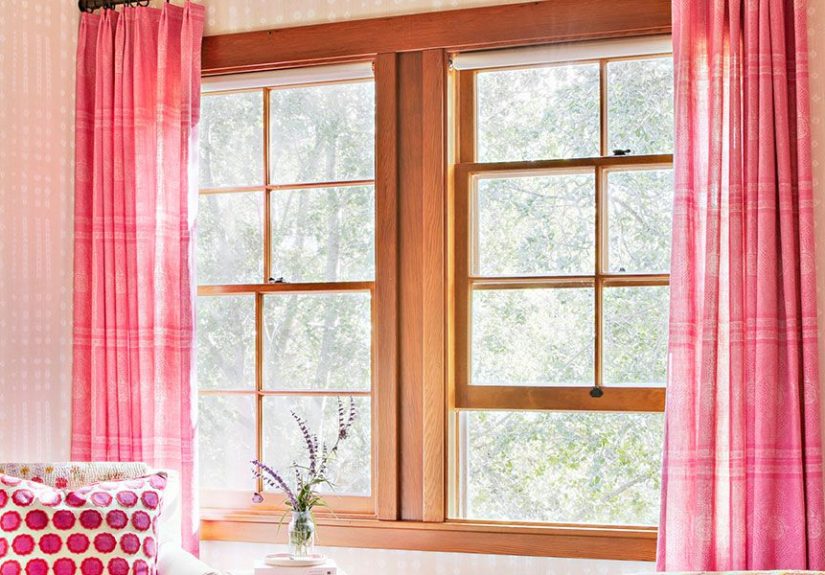
Curtains: Window treatments can make a room feel larger and taller when hung correctly.
One widely recommended approach is to hang the rod about 4–6 inches above the window frame, and extend it 8–10 inches past each side of the window (so the curtains can stack off the glass and let in more light).
Curtains that nearly reach the floor tend to look more finished than “high-water hem” panels.
3) Lighting: layer it like lasagna (delicious, strategic, and not just overhead)
A single ceiling light can make even a beautiful room feel flat. Layering light adds warmth and depth:
- Ambient: general light (ceiling fixture, recessed lights)
- Task: focused light (reading lamp, desk lamp, under-cabinet lighting)
- Decorative/accent: mood makers (lamps, sconces, a statement pendant)
A simple upgrade: add a table lamp in the living room and a floor lamp in a dark corner, then use warm bulbs and (if possible) dimmers.
Your room will feel immediately more invitinglike it learned how to exhale.
4) Wall art: hang it like you mean it
Art is one of the fastest ways to add personality. It’s also one of the easiest ways to accidentally create “floating postage stamp syndrome.”
A helpful baseline for hanging art at eye level is to place the center of the piece around 57–60 inches from the floor.
Above furniture (like a sofa), scale matters: go wider than you think, or use a grouping that reads as one composition. If you’re building a gallery wall,
lay it out on the floor first, or trace templates on paper and tape them up to test spacing.
5) Mirrors: light’s best friend (but only if it reflects something nice)
Mirrors can visually enlarge a room and bounce light around. But placement matters. Before you hang one, ask:
“What will this reflect?” If the answer is “my laundry chair,” reconsider.
Oversized mirrors can make small spaces feel bigger, and entryway mirrors can make a home feel more open the moment you walk in.
Just avoid going too small for a large wall, and don’t overdo itmirrors should complement the room, not start a reflection convention.
Styling Zones: Where Accessories Love to Live
Coffee table styling (the art of looking effortless)
Start by clearing the surface completely. Then build a small vignette:
- Books: stack two or three to create height (and a “mini pedestal” for other objects).
- One statement object: a sculptural bowl, a vase, or something personal.
- An organic element: a single stem, a small plant, or a simple arrangement.
- Contain the clutter: use a box or tray to corral remotes and small items (so your table looks curated, not chaotic).
If mixing objects feels stressful, go minimalist: one strong statement piece can be enoughespecially if it has interesting shape or texture.
Bookshelves and open shelving (curate, don’t cram)
Overstuffed shelves read as visual clutter. A cleaner approach:
- Leave open space between groups of items.
- Mix vertical and horizontal stacks of books for structure.
- Group items in threes (or other odd numbers) and vary heights.
- Use baskets/boxes for small miscellaneous items (aka “things that don’t have a job”).
Consoles and sideboards (the “welcome to my home” runway)
These surfaces work best with a simple formula:
tall anchor (lamp or vase) + mid-height layer (art leaning or framed photo) + low items (tray, bowl, books).
Finish with one personal item that tells a storybecause your home should look like you live there, not like you’re staging a furniture catalog.
Nightstands (small surface, big mood)
Keep it functional: lamp + coaster/water glass + small tray for jewelry or lip balm. Add one soft touch (a small vase or a candle).
The goal is calm, not a miniature museum exhibit that you knock over at 2 a.m.
Entryways (first impressions, zero pressure)
Accessories that earn their keep here:
- A mirror (for light and a last-second “do I look awake?” check)
- A catchall tray or bowl (keys, sunglasses)
- A basket or hooks (bags, scarves)
- A runner or mat (adds warmth and protects floors)
Budget-Friendly Ideas That Still Look Intentional
- Shop your house first: move a lamp, swap art between rooms, repurpose a tray.
- Thrift frames: unify mismatched art by using similar frames or matting.
- Upgrade hardware: cabinet pulls and knobs can dramatically change a kitchen or dresser.
- Pillow covers, not pillows: store flat, cost less, and make seasonal swaps easy.
- DIY “expensive” looks: paint a vase, add a lamp shade, style with books you already own.
- Add texture, not clutter: one chunky knit throw can do more than five tiny decor items.
Common Home Accessory Mistakes (and How to Fix Them)
- Too many small items everywhere: group them on a tray, or replace with one larger piece.
- Rug is too small: size up so furniture legs connect to it (front legs at minimum).
- Everything matches: mix materials (wood + metal + ceramic) and textures (linen + leather + knit).
- Only overhead lighting: add lamps and warm bulbs for depth.
- Curtains hung too low/narrow: hang higher and wider to make windows look larger and ceilings feel taller.
- Mirrors reflecting clutter: reposition so they reflect light, art, or a pleasant view.
- Overcrowded shelves: remove 20–30% of items, then restyle in intentional groupings with space.
Seasonal Refresh Without Redecorating the Whole Planet
Accessories are perfect for seasonal changes because you can shift the mood without buying a new sofa (or filing for bankruptcy).
Try a simple rotation:
- Warm months: lighter pillow covers, airy throws, fresh greenery, bright ceramics
- Cool months: thicker textures (bouclé, velvet), warmer tones, candles, cozy lighting
Store seasonal accessories in clearly labeled bins. Your future self will thank youespecially when you’re not digging through a mystery box labeled “misc.”
Quick Room-by-Room Mini Playbooks
Living room: cozy, layered, and not overstuffed
- Anchor seating with a properly sized rug.
- Add layered lighting (one table lamp + one floor lamp is a great start).
- Choose 3–5 accessories for the coffee table: books + one statement piece + something organic.
- Use pillows and a throw as your accent-color carriers (not the entire personality of the room).
- Hang art at a consistent eye level; scale it to the sofa, not the wall.
Bedroom: calm, soft, and sleep-friendly
- Layer bedding: sheets + duvet/comforter + throw (texture is the secret sauce).
- Use matching or coordinating bedside lamps for balance.
- Keep nightstands edited: one tray + one small decor item, max.
- Add a rug that extends beyond the bed for comfort.
Kitchen & dining: functional accessories that still look good
- Use a runner in high-traffic areas (washable is your best friend).
- Style countertops with restraint: one tray with essentials (soap, sponge, hand lotion) looks tidy.
- Centerpieces: keep them low enough to see across the table.
- Swap lighting or add dimming where possible for instant ambiance.
Bathroom: small upgrades, big payoff
- Upgrade your mirror or add a frame for character.
- Use matching dispensers (soap/lotion) and a tray to corral essentials.
- Add a washable, non-slip rug for warmth and safety.
- Introduce greenery (even one small plant) if lighting allows.
Real-World Experiences: 5 “Accessory Makeover” Stories (About )
1) The Pillow Pile-Up Problem. A common experience: you start with two throw pillows, then somehow end up with eight because each one was “on sale”
and “sparked joy.” The result is a sofa you can’t actually sit on unless you negotiate with the pillows first. The fix is surprisingly simple:
choose two “anchor” pillows that fit the scale of the sofa, then add one smaller lumbar or a textured throw. Suddenly the sofa looks intentional againand your guests
no longer have to awkwardly hold pillows like they’re carrying precious artifacts.
2) The Rug That Shrunk Overnight (It Didn’t, Your Room Just Grew Up). Many people buy a rug based on room size, then wonder why the furniture looks scattered.
The better approach is to size the rug to the furniture layout. When the front legs of the sofa and chairs connect to the rug, the seating area feels unified,
like it has a purpose beyond “we all independently wandered here.” Even in small rooms, a slightly larger rug often makes the space feel biggernot smallerbecause it creates one
clean visual zone instead of several tiny islands.
3) The Shelf That Looked Like a Garage Sale. Open shelves can go from stylish to stressful fast, especially when every souvenir, candle, and photo frame tries to
get equal screen time. The most effective makeover usually starts with removing everything, then putting back only what earns its place. Group items in threes, vary heights, and
leave negative space so your eye can rest. Add one basket or box for the “tiny weird stuff” (chargers, random cords, keys that don’t open anything anymore). It’s still personal
just calmer.
4) The Curtain Situation (a.k.a. “Why Does My Ceiling Feel Low?”). Curtains that are hung too low or too narrow can make windows look smaller and the whole room feel compressed.
A quick adjustmentraising the rod a few inches above the frame and widening it so panels sit mostly off the glasscan make windows feel grander without changing the window at all.
Pair that with panels that nearly reach the floor and you get an instant “designer finish.” Bonus: more natural light, which makes everything you own look slightly more expensive.
5) The Mirror That Reflected Pure Chaos. Mirrors are supposed to bounce light and expand a space. But sometimes the mirror is basically a high-definition broadcast of your mess.
One easy “experience-based” rule: before mounting a mirror, stand where it will hang and check what it reflects. If it’s a cluttered desk, a laundry pile, or the least flattering corner of the room,
reposition it. When mirrors reflect something attractiveart, a plant, a bright windowthey amplify the best parts of your home. It’s the design equivalent of choosing good lighting for a photo:
the subject matters, but the angle is everything.
The consistent takeaway from these real-life style scenarios is that accessories work best when they’re edited, scaled correctly, and grouped with intention.
The goal isn’t to own moreit’s to make what you already have look like it belongs together. And once you get that rhythm, updating your home becomes less like “decor panic” and more like “fun.”
Conclusion: Small Things, Big Mood
Home accessories aren’t just decorativethey’re the tools that help a room feel welcoming, functional, and personal. Start with a simple palette, respect scale, edit clutter,
and lean on easy styling rules (like grouping in threes and layering light). Then focus on high-impact accessoriesrugs, textiles, lighting, wall art, and mirrorsto get the most change
for the least effort. Your home should feel like a place you want to be, not a place you’re constantly “almost done” with.