Table of Contents >> Show >> Hide
- Why This Flavor Combo Works So Well
- Step 1: Start with a Bold Espresso Base
- Step 2: Choose the Right Creamy Element
- Step 3: Add Chocolate Notes, Not a Chocolate Avalanche
- Step 4: Sweeten with Intention
- Step 5: Decide Whether You Want It Hot, Iced, or Dessert-Style
- Step 6: Build Better Texture with Foam or Whipped Cream
- Step 7: Add a Finishing Flavor That Makes It Memorable
- Step 8: Sip Slowly and Keep the Caffeine in Mind
- Step 9: Pair It with the Right Snack or Setting
- Easy Flavor Templates to Try
- Common Mistakes to Avoid
- The Experience: What It Actually Feels Like to Drink This Kind of Espresso-Cream Treat
- Final Thoughts
If the words espresso, cream, and chocolatey coffee-house comfort make your soul sit up a little straighter, you are in the right place. The flavor profile people associate with Baileys Espresso Crème is easy to understand: bold coffee aroma, cre, no bar cart, no dramatic jazz soundtrack required. Just good coffee, a creamy element, a few smart flavor choices, and a willingness to act like your kitchen is a tiny café with very strong opinions.
This guide walks you through nine simple steps to build a rich espresso-and-cream drink experience at home. Think of it as the coffee-shop version of dressing up sweatpants: still comfortable, just suddenly much more impressive. Along the way, you will learn how to choose the right espresso base, balance sweetness, create a smoother mouthfeel, and serve it hot, iced, or dessert-style. By the end, you will have a repeatable method that tastes intentional instead of accidental.
Why This Flavor Combo Works So Well
Espresso brings concentrated roasted flavor, a little bitterness, and a deep aroma that can carry sweet ingredients without disappearing into the background. Cream softens the sharp edges and adds body. Chocolate or cocoa notes connect the two and make everything taste fuller, warmer, and more dessert-like. Vanilla rounds it all out, while a tiny pinch of cinnamon or salt can make the whole drink taste more “finished.” That is the real secret: not more ingredients, but better balance.
If you enjoy café lattes, affogato, shaken espresso drinks, or mocha-style drinks, you already understand the general idea. This article simply gives that flavor family a more focused espresso-cream direction. The goal is not to bury the coffee under sugar. The goal is to let the coffee stay recognizable while making it smoother, creamier, and much more fun to sip.
Step 1: Start with a Bold Espresso Base
The first step is choosing coffee that can hold its own once cream and sweetness join the party. A dark roast or medium-dark roast works especially well because it delivers a fuller, toastier profile. If you have an espresso machine, pull one or two fresh shots. If you do not, strong coffee from a moka pot, AeroPress, or concentrated brewed coffee can work surprisingly well.
The key is strength. Weak coffee plus cream equals sadness in a mug. You want the coffee to taste clear and confident before you add anything else. If it already tastes thin, watery, or like it got lost on the way to being espresso, fix that first. Stronger coffee creates the backbone for every other flavor that follows.
Step 2: Choose the Right Creamy Element
Now comes the part where texture earns its paycheck. For a classic rich result, use half-and-half, heavy cream diluted with milk, or whole milk. For a lighter version, use 2% milk and add a spoonful of frothed milk on top. If you prefer plant-based options, oat milk is usually the smoothest and most dessert-friendly choice because it tends to add body without tasting too thin.
Do not pour carelessly here. This step changes the personality of the drink. More milk makes it café-style and mellow. More cream makes it luxurious and closer to a dessert. A good starting point is to think in layers: espresso first, creamy base second, foam or whipped topping third if you want extra drama. You are not just making coffee. You are building a mood.
Step 3: Add Chocolate Notes, Not a Chocolate Avalanche
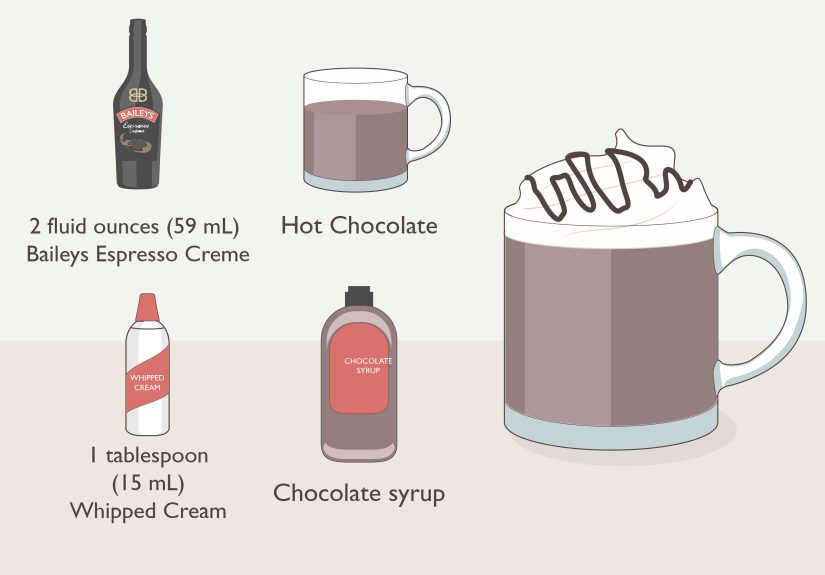
One reason espresso-and-cream drinks feel so satisfying is that coffee and chocolate naturally flatter each other. But there is a difference between “elegant mocha whisper” and “someone dropped a candy bar into my cup.” Keep it restrained. A little cocoa powder, a teaspoon of chocolate syrup, or a few shavings of dark chocolate is often enough.
If you want the flavor to feel more grown-up and less milkshake-like, choose darker chocolate instead of ultra-sweet milk chocolate. The goal is depth, not sugar overload. You should still be able to taste the espresso clearly. Think of chocolate here as backup vocals, not the lead singer.
Step 4: Sweeten with Intention
Sweetness matters, but random sweetness is how drinks go from “smooth” to “why is this sticky?” in one sip. Brown sugar, vanilla syrup, maple syrup, or a simple homemade syrup all work well because they dissolve easily and pair nicely with espresso. Brown sugar is especially useful if you want a warmer, deeper flavor. Vanilla gives the drink a softer café-dessert vibe.
Start small. Taste. Then adjust. One of the biggest mistakes people make with espresso drinks is sweetening before they know what the coffee tastes like. Espresso is naturally intense, but intensity is not the same thing as unpleasantness. Let the coffee be coffee. Sweetness should polish the edges, not erase the flavor.
Step 5: Decide Whether You Want It Hot, Iced, or Dessert-Style
Here is where your drink gets to choose its own adventure. A hot version feels cozy, smooth, and café-classic. An iced version tastes brighter and more refreshing, especially if you shake the espresso with ice first for a slightly frothy finish. A dessert-style version, such as an affogato-inspired treat with vanilla ice cream or gelato, turns the whole experience into something halfway between a drink and a spoonable reward for surviving the day.
Each format changes the flavor a little. Hot drinks emphasize aroma and softness. Iced drinks highlight contrast and sweetness. Dessert-style servings make the creaminess the star. None is objectively better. Your weather, mood, and energy level get a vote. If it is a long afternoon and you need a pick-me-up, iced may be the move. If it is raining and your socks are emotionally fragile, hot is the correct answer.
Step 6: Build Better Texture with Foam or Whipped Cream
Texture is the trick that makes a homemade drink feel more special than “coffee with stuff in it.” If you can froth milk, do it. Even a small layer of foam changes the experience by making each sip feel lighter and creamier at the same time. If you do not have a steam wand, a handheld frother or a jar-shake method can still give you a nice topping.
Whipped cream is another option when you want dessert energy. Use it sparingly, though. A modest swirl adds softness and visual appeal. A mountain of whipped cream turns the drink into a dairy obstacle course. The best versions look tempting without becoming a dare.
Step 7: Add a Finishing Flavor That Makes It Memorable
Great coffee drinks usually have one small finishing touch that tells your taste buds, “Yes, this was on purpose.” That might be a dusting of cocoa powder, a pinch of cinnamon, a tiny grating of nutmeg, chocolate curls, or even a few crushed espresso beans on top. If you want something a little more sophisticated, a tiny pinch of flaky salt can make the sweetness and chocolate notes pop without making the drink taste salty.
This step is optional, but it is the difference between “pretty good” and “wait, why is this better than the one I paid seven dollars for?” Finishing touches work because they create aroma before the sip even lands. Your nose gets involved, your brain gets excited, and suddenly your kitchen feels suspiciously upscale.
Step 8: Sip Slowly and Keep the Caffeine in Mind
Rich espresso drinks are easy to drink fast because cream and sweetness soften the coffee’s sharp edges. That is exactly why they deserve a little pacing. Sip slowly, especially if you used multiple shots of espresso or plan to have more coffee later. If you know caffeine makes you jittery, restless, or dramatic in ways your group chat does not deserve, go with one shot, decaf espresso, or a half-caf blend.
This also improves the actual experience. Slower sipping lets you notice the layers: roasted coffee up front, cream through the middle, chocolate or vanilla on the finish. Drink it too quickly and you miss the whole point. This is not chugging fuel before a math test. This is enjoying a crafted coffee moment, preferably while pretending your email inbox does not exist.
Step 9: Pair It with the Right Snack or Setting
The final step is giving the drink a supporting cast. Biscotti, shortbread, chocolate cookies, coffee cake, cinnamon toast, or even vanilla ice cream all pair beautifully with espresso-and-cream flavors. If you are serving it in the afternoon, keep the snack simple. If it is an after-dinner treat, lean into dessert territory with something crisp, buttery, or chocolatey.
Setting matters, too. Use a clear glass for iced drinks, a warm mug for hot drinks, and a small cup or dessert glass for affogato-style servings. Presentation sounds fancy, but it is really just practical psychology. Drinks taste more special when they look like they belong to the moment. Your brain eats first, then your eyes, then your coffee gets its turn.
Easy Flavor Templates to Try
1. Classic Hot Espresso Cream
Combine a shot of espresso with warm milk or half-and-half, add a little vanilla syrup, and finish with cocoa powder. Smooth, cozy, reliable.
2. Iced Espresso Cream
Shake espresso with ice and a little brown sugar, pour over milk, and top with cold foam. Refreshing, creamy, and excellent when the weather has attitude.
3. Affogato-Inspired Treat
Pour hot espresso over vanilla ice cream or gelato, then add chocolate shavings. It is part coffee, part dessert, and fully committed to being beloved.
4. Mocha-Vanilla Version
Use espresso, milk, a small amount of chocolate syrup, and a drop of vanilla. This is the crowd-pleaser when you want coffee flavor without too much bitterness.
Common Mistakes to Avoid
Using weak coffee: If the base lacks strength, the drink will taste flat.
Adding too much syrup: Sweet drinks are fun; syrup soup is not.
Overloading toppings: A drink should still drink like a drink.
Ignoring temperature: Hot espresso melts ice fast; if making iced drinks, work quickly and use plenty of ice.
Skipping texture: Foam, cream, or proper milk choice often matters as much as flavor.
The Experience: What It Actually Feels Like to Drink This Kind of Espresso-Cream Treat
There is a reason espresso-and-cream drinks inspire such loyalty. They do more than taste good. They create a little ritual. The first thing you notice is the aroma. Even before you sip, the smell of espresso rises fast, followed by soft sweetness and a hint of chocolate or vanilla. It feels warm and familiar, but still just special enough to count as a reward. That combination can turn an ordinary afternoon into a small event.
The first sip usually lands in layers. You get coffee first, then cream, then the sweeter finish. If the drink is balanced well, it feels rich but not heavy, bold but not harsh. It wakes you up without tasting aggressive. That is why so many people love this style of drink in cafés. It gives energy and comfort at the same time, which is basically the emotional support version of coffee.
Hot versions feel calm and cozy, especially on a rainy day, during a study break, or at the end of a long week. They invite slower sipping. Iced versions feel brighter and more social, like the sort of thing you carry around while pretending you have your life beautifully organized. Dessert-style versions are even more playful. An affogato-inspired cup starts as coffee, turns into melted ice cream, and ends in spoon territory. That transformation is half the fun.
There is also a visual pleasure to it. A creamy top layer, a dusting of cocoa, a glossy espresso pour over ice, a swirl of foam in a mug, a scoop of vanilla starting to melt under hot coffee; all of it makes the drink feel more luxurious than the ingredient list would suggest. That matters. People enjoy food and drink more when it looks intentional. A little effort in presentation often makes the whole experience feel calmer, richer, and more satisfying.
Perhaps the best part is how adaptable the experience is. Some days you want a simple, barely sweet latte with espresso leading the way. Other days you want something closer to dessert, with vanilla, chocolate, and a cloud of cream on top. Both can work. The same basic flavor family can be serious, playful, elegant, or comforting depending on how you build it. That flexibility is why this style never really gets old.
And finally, there is the emotional truth no recipe card can fully capture: a well-made espresso-and-cream drink feels like you did something nice for yourself on purpose. It is not only caffeine. It is also the pause, the aroma, the first sip, the tiny sense of ceremony. In a world full of rushed snacks and distracted scrolling, that kind of moment earns its place.
Final Thoughts
If you love the idea of Baileys Espresso Crème flavor, you do not need alcohol to enjoy what makes that profile appealing. Focus on strong espresso, a creamy base, restrained sweetness, a hint of chocolate, and a finish that adds aroma and polish. Build it hot, iced, or dessert-style depending on your mood, and keep the balance tight so the coffee still shines.
In other words: let the espresso be bold, let the cream be silky, let the extras behave themselves, and let your kitchen have one glorious main-character moment. That is how you create a coffee drink worth remembering.