Table of Contents >> Show >> Hide
- What You’ll Learn
- The “Keep It Alive After Christmas” Checklist
- How to Water a Poinsettia (Without Overwatering)
- Light and Temperature: The Two Silent Deal-Breakers
- Troubleshooting: Droopy Leaves, Yellow Leaves, and Sudden Leaf Drop
- How to Keep a Poinsettia Alive Year-Round
- How to Rebloom a Poinsettia for Next Christmas
- Is Poinsettia Toxic? Pet and Kid Safety Basics
- When It’s Okay to Let Go (No Guilt)
- Conclusion
- Experience-Based Tips People Learn the Hard Way (500+ Words)
- 1) “It was fine… until we turned the heat on / opened the door a lot.”
- 2) “I watered it a little every day so it wouldn’t get thirsty.”
- 3) “The foil wrap looked cute, so I kept it on.”
- 4) “It’s February and it’s getting leggy and weird.”
- 5) “I tried to rebloom it, but it never turned red again.”
- 6) “It survived, but it doesn’t look like the store version.”
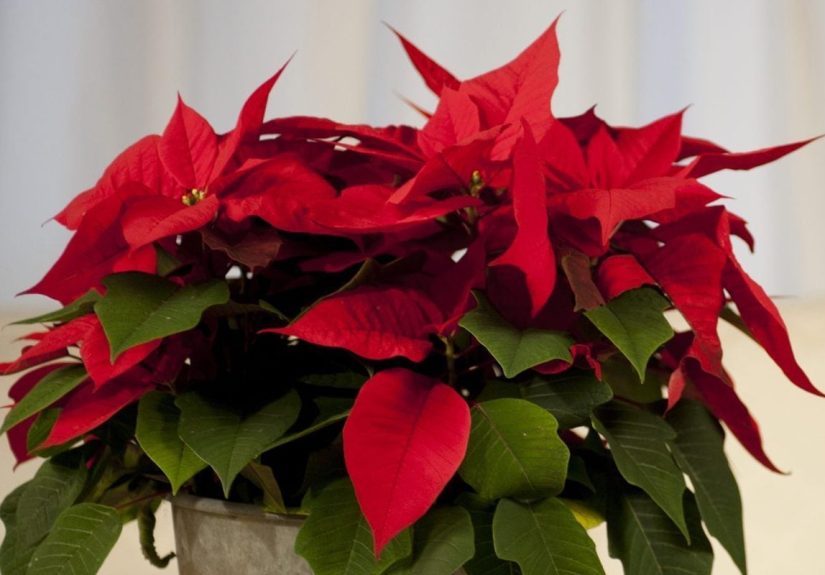
Your poinsettia doesn’t have to be a one-season celebrity that disappears after New Year’s like a forgotten holiday playlist.
With the right care, you can keep a poinsettia alive after Christmas for monthssometimes all yearand if you’re feeling brave,
you can even coax it to rebloom and color up again next winter.
The secret is understanding what poinsettias really are: not delicate decorations, but tropical shrubs (yes, shrubs) that hate surprises.
Cold drafts, soggy soil, and “I watered it every day because love” are the usual culprits behind poinsettia drama.
Let’s turn yours into a long-term houseplant success story.
The “Keep It Alive After Christmas” Checklist
If you want the fastest path to a happy poinsettia in January, do these five things first. This is the poinsettia equivalent of
“drink water, eat something, take a nap.”
-
Remove the decorative foil or outer pot before watering.
If water can’t drain, roots sit in a swampand poinsettias do not do “swamp chic.” -
Put it in bright, indirect light.
A sunny window is great, but avoid harsh, hot afternoon rays that can scorch leaves. -
Keep temperatures steady.
Aim for typical comfortable indoor temps, and keep it away from cold windows, doors, vents, and heaters. -
Water only when the top of the soil feels dry.
Not bone-dry for days, not wet 24/7. Moist, not mush. -
Don’t fertilize while it’s still colorful and blooming.
Many Extension sources recommend waiting until active growth resumes (usually spring).
How to Water a Poinsettia (Without Overwatering)
If poinsettias had a dating profile, it would say: “I like consistency, I hate puddles, and I will absolutely drop leaves if you stress me out.”
Watering is where most people accidentally end the relationship.
The best test: “topsoil + lightweight pot”
Water when the soil surface feels dry to a light touch or the pot feels noticeably lighter when you lift it.
If it’s still cool/damp, skip watering and check again in a day or two.
The best method: soak and drain
- Take the pot to a sink.
- Water thoroughly until water runs out the bottom drainage holes.
- Let it drain completely (10–20 minutes).
- Return it to its spotno standing water in a saucer, no “mini-pond” inside foil wrap.
How often is “normal” in winter?
Indoors during winter, many homes end up watering every 7–14 days, but your schedule depends on pot size, indoor heat,
sunlight, and humidity. The soil test beats the calendar every time.
About the ice-cube watering trend
You may see advice to water poinsettias with ice cubes. The risk is that cold water can stress roots on a plant that prefers warm,
tropical-like conditions. If you want “easy mode,” use room-temperature water and the dry-topsoil test instead.
Light and Temperature: The Two Silent Deal-Breakers
Light requirements
For best results, place your poinsettia where it gets bright daylight for several hours a day.
South, east, or west windows often work well; rotate the pot occasionally so the plant grows evenly instead of leaning like it’s chasing the sun.
Temperature rules (and why drafts cause leaf drop)
Poinsettias dislike sudden temperature swings. Cold drafts from doors and windows, or blasts from heating vents, can trigger leaf drop fast.
Many Extension guides warn that temperatures below about 50–55°F can damage or stall the plant, and freezing will kill it.
Keep it comfortably warm and steadythink “pleasant living room,” not “arctic entryway.”
Humidity helps (especially in heated homes)
Winter heat can dry indoor air. If leaf edges look crispy or the plant seems thirsty all the time, consider a pebble tray (pot on stones, not in water)
or a small humidifier nearby. You’re not trying to turn your home into a rainforestjust reduce extremes.
Troubleshooting: Droopy Leaves, Yellow Leaves, and Sudden Leaf Drop
Poinsettias are dramatic, but they’re not mysterious. Most problems trace back to three things: water, temperature, or light.
Here’s a practical “symptom-to-fix” guide.
Problem: drooping leaves
- Soil is dry and pot is light: Water thoroughly and let it drain.
- Soil is wet or smells sour: Stop watering, improve drainage, remove foil wrap, and ensure it’s not sitting in water.
- Just moved locations recently: Give it a week. Poinsettias often sulk after a big change.
Problem: yellow leaves
- Common cause: Overwatering or poor drainage.
- Also check: Cold drafts (yellowing + leaf drop can follow a chilly night by a door/window).
Problem: leaves dropping fast
- Look for: A draft, a heater vent, or a cold window touch-point.
- Fix: Move it to a stable spot with bright light, then keep watering consistent.
Problem: white sticky stuff or tiny bugs
Poinsettias can get common houseplant pests like whiteflies, mealybugs, or aphids (especially if the plant is stressed).
Isolate the plant from others, rinse leaves gently, and use an appropriate insecticidal soap if needed.
How to Keep a Poinsettia Alive Year-Round
Keeping a poinsettia alive after Christmas is step one. Keeping it healthy through spring and summer is step two.
If your goal is a full, bushy plant (instead of a lanky green stick), the timeline matters.
January to March: “maintenance mode”
- Keep in bright, indirect light.
- Water when the soil surface dries slightly; always drain well.
- Skip fertilizer while the plant is still in its holiday display phase.
March to April: prune for a stronger comeback
Once the colorful bracts fade and the plant starts looking tired, many Extension guides recommend cutting stems back to about 4–6 inches.
This encourages branching and fresh growth instead of a tall, sparse plant.
Tip: Wear gloves if you have sensitive skin. Poinsettias have a milky sap that can irritate skin and eyes.
April to May: new growth + light feeding
When you see active new growth, begin fertilizing lightly. A balanced houseplant fertilizer at a diluted rate every few weeks is a common approach.
Overfeeding won’t make it rebloom fasterit just makes it crankier.
Late spring: repot (if needed)
If roots are circling the pot or the soil dries out extremely fast, repot into a slightly larger container with fresh, well-draining potting mix.
Make sure the new pot has drainage holes.
Summer: outdoors can help (with a gentle transition)
After the danger of frost has passed, you can move your poinsettia outdoors in many parts of the U.S. Start in bright shade,
then gradually introduce morning sun or partial sun. Think “vacation,” not “thrown into the desert at noon.”
During summer, pinch back tips every few weeks to encourage a fuller plantthen stop pinching by mid-to-late summer
(often around mid-August) so the plant can set buds for the next season.
Early fall: bring it back indoors before cold nights
When nights approach the low-50s°F, bring the plant indoors. Cold stress can undo months of good care quickly.
How to Rebloom a Poinsettia for Next Christmas
Here’s the part that separates casual poinsettia keepers from poinsettia wizards: poinsettias are “short-day” (long-night) plants.
They form flower buds and color up when they experience long periods of uninterrupted darkness each night for weeks.
The rule: 14 hours of uninterrupted darkness
For roughly 8–10 weeks in fall, give your poinsettia about 14 hours of complete darkness every night,
plus bright light during the day. Even brief light interruptions (a lamp, a hallway light, a “just checking!” peek)
can delay or reduce color.
A realistic at-home schedule (example)
- 5:00 p.m.: Put the plant in a totally dark closet or cover it with a lightproof box.
- 7:00 a.m.: Bring it back out to bright daylight (a sunny window works well).
- Repeat daily: Start around late September or early October and continue until bracts show strong color.
While you’re doing the dark treatment
- Keep temperatures steady and avoid cold drafts.
- Water when the soil surface dries; do not keep it soggy.
- Keep daytime light brightdark nights don’t replace the need for daytime photosynthesis.
If you follow the long-night routine consistently, you should see small buds develop and bracts begin to color.
Congratulations: you’re now the kind of person who could probably keep sourdough starter alive, too.
Is Poinsettia Toxic? Pet and Kid Safety Basics
Poinsettia has a reputation for being extremely poisonous, but most modern guidance is more nuanced. The milky sap is an irritant:
it can bother mouths and stomachs if chewed and may cause drooling or vomiting in pets, and it can irritate skin or eyes.
Keep it out of reach of pets and small children, and wash hands after pruning.
When It’s Okay to Let Go (No Guilt)
If your plant is dropping leaves nonstop despite stable temperature, proper drainage, and careful watering, it may have root rot
or severe stress from earlier conditions. You can try saving cuttings in spring, but it’s also okay to compost the plant and start fresh next year.
Gardening is a hobby, not a hostage negotiation.
Conclusion
To keep a poinsettia alive after Christmas, focus on the basics: bright light, steady warmth, excellent drainage, and watering only when the soil surface dries.
If you want a bigger, greener plant, prune it back in early spring, repot if needed, and feed lightly during active growth.
And if you want those famous red bracts again? Commit to the long-night routine in fall14 hours of uninterrupted darkness for weeks.
It’s a little fussy, yes, but so is a lot of holiday magic.
Experience-Based Tips People Learn the Hard Way (500+ Words)
Plenty of poinsettias don’t “die after Christmas”they get slowly stressed by normal household habits. If you’ve ever felt like your plant looked fine,
then suddenly dropped leaves as if auditioning for a tragic soap opera, you’re not alone. Here are the most common real-world scenarios
people run into, plus what usually fixes them.
1) “It was fine… until we turned the heat on / opened the door a lot.”
A poinsettia that sits near an exterior door, drafty window, or a heating vent lives in a world of constant microclimate chaos.
One day it’s warm and dry (heater blasting), the next day it’s cold and drafty (door opening), and the next day it’s warm again.
People often notice leaf drop after a single cold draft event and assume the plant is “done,” but the better interpretation is:
the plant panicked. Move it to a steadier spotbright, comfortable, away from airflowand give it a week to stabilize.
The leaf drop won’t reverse, but the plant can stop spiraling and start growing again.
2) “I watered it a little every day so it wouldn’t get thirsty.”
This is a classic: tiny daily sips keep the top layer damp while the lower soil stays wet for too long, which starves roots of oxygen.
People mean well. Poinsettias respond by yellowing and dropping leaves, and owners respond by watering more because the plant looks sad.
(It’s a vicious cycle. Your poinsettia becomes a moisture-dependent diva.)
A better approach is the soak-and-drain method: water thoroughly, let it drain completely, then wait until the topsoil dries slightly before watering again.
This encourages healthier roots and reduces the risk of rot.
3) “The foil wrap looked cute, so I kept it on.”
Decorative foil is basically a stylish raincoat that traps water. Many people don’t realize their poinsettia is sitting in a hidden puddle.
If you love the look, keep the foilbut treat it like a removable accessory. Slide the pot out to water, let it drain fully,
then put it back. The plant gets fashion and breathing room. Everyone wins.
4) “It’s February and it’s getting leggy and weird.”
Totally normal. Poinsettias sold for the holidays are grown to look perfect at the exact moment you buy them. After that, they’re just… plants.
As light levels change, they can stretch. This is where pruning earns its keep. Cutting stems back to 4–6 inches in early spring feels dramatic,
but it’s the best way to get a fuller, bushier shape later. People who skip pruning often end up with a tall, sparse plant that looks like it’s waving
from across the room. Pruning turns “awkward teenager phase” into “glow-up.”
5) “I tried to rebloom it, but it never turned red again.”
Rebloom attempts usually fail for one reason: light leaks. It’s not that your plant didn’t get enough darknessit’s that it got
almost enough darkness. A single lamp flip-on, a hallway light under a door, or checking on it like a concerned plant parent at 10 p.m.
can interrupt the long-night signal. People who succeed tend to use a closet with a firm routine or a truly lightproof box, and they set reminders.
The other common issue is timing: starting the long-night schedule too late can lead to delayed color. If you want the best shot,
begin in late September or early October and be stubbornly consistent.
6) “It survived, but it doesn’t look like the store version.”
That’s normal too. Commercial growers control light, temperature, spacing, and feeding with professional precision.
Your goal at home is a healthy plant, not a botanical supermodel on a runway. If it’s growing new leaves, holding steady,
and not dropping foliage every week, you’re doing it right. A home-grown poinsettia can still be beautifuljust with more personality,
like a holiday sweater you actually like wearing.