Table of Contents >> Show >> Hide
- How Much Potato Salad Do You Need for 50 People?
- Ingredients for Potato Salad for 50 People
- Step 1: Choose the Right Potatoes
- Step 2: Wash, Peel, and Cut the Potatoes
- Step 3: Cook the Potatoes in Salted Water
- Step 4: Drain and Cool the Potatoes Properly
- Step 5: Hard-Boil and Chop the Eggs
- Step 6: Prepare the Crunchy Mix-Ins
- Step 7: Mix the Dressing Separately
- Step 8: Combine the Salad in Batches
- Step 9: Chill Before Serving
- Step 10: Garnish for a Party-Ready Look
- Step 11: Keep Potato Salad Cold and Safe
- Step 12: Store Leftovers the Right Way
- Easy Variations for Potato Salad for 50 People
- Make-Ahead Timeline for a Stress-Free Event
- Common Mistakes to Avoid
- Helpful Experience Notes for Making Potato Salad for 50 People
- Conclusion
Making potato salad for 50 people sounds like the kind of kitchen math problem that should come with a calculator, a clipboard, and possibly a tiny whistle. But the good news is this: potato salad is one of the most forgiving, crowd-friendly side dishes you can make. It scales well, travels well when chilled properly, and makes almost everyone at the picnic table feel like someone’s favorite aunt showed up with a giant bowl of comfort.
Whether you are cooking for a family reunion, church supper, graduation party, company cookout, wedding shower, or backyard barbecue, this guide will walk you through exactly how to make potato salad for 50 people in 12 practical steps. You will learn how many pounds of potatoes to buy, how to season a large batch without making it bland, how to keep the texture creamy instead of mushy, and how to serve it safely so the only thing guests remember is how good it tastednot how long it sat in the sun.
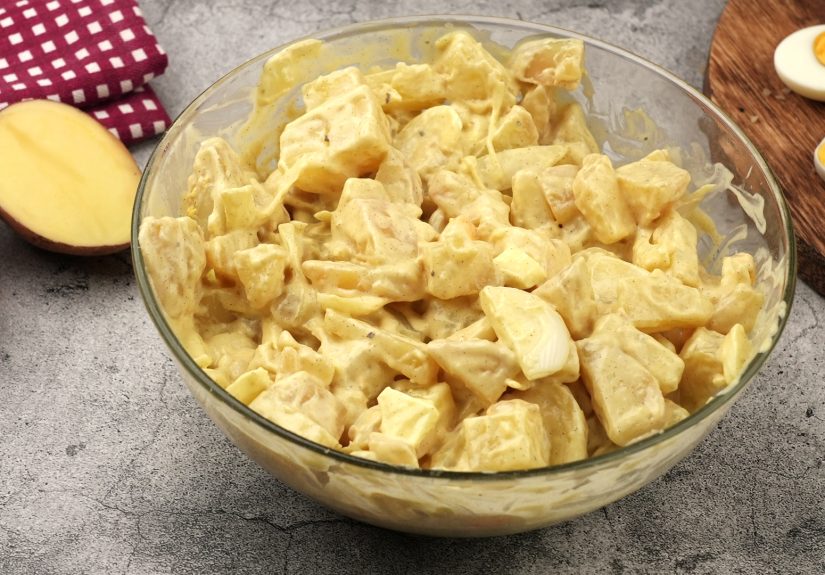
This recipe leans classic American: tender potatoes, hard-boiled eggs, crunchy celery, a creamy mayonnaise-based dressing, mustard for tang, a little pickle relish or chopped pickles, and enough seasoning to make the whole bowl wake up. It is simple, reliable, and easy to customize. In other words, it is the potato salad equivalent of the dependable friend who brings extra napkins.
How Much Potato Salad Do You Need for 50 People?
For a side dish, plan on about 1/2 cup to 3/4 cup of potato salad per person. For 50 guests, that usually means around 25 to 35 cups of finished potato salad. If there are many other side dishes, 10 pounds of potatoes may be enough. If potato salad is one of the main sides, or if your crowd includes hungry teenagers, barbecue lovers, or relatives who “just want a small scoop” three times, 12 to 15 pounds is safer.
A practical target is 12 pounds of potatoes. This amount gives you generous servings without creating a mountain of leftovers. For a large event, it is better to have a little extra than to watch the bowl get scraped clean before Uncle Dave has made it through the buffet line.
Ingredients for Potato Salad for 50 People
Main Ingredients
- 12 pounds Yukon Gold, red, or russet potatoes
- 24 large eggs, hard-boiled, peeled, and chopped
- 2 1/2 to 3 cups diced celery
- 1 1/2 cups finely diced red onion or sweet onion
- 1 1/2 to 2 cups chopped dill pickles or sweet pickle relish
- 1/2 cup chopped fresh parsley, optional
- Paprika for garnish, optional
Creamy Dressing
- 5 to 6 cups mayonnaise
- 1 cup yellow mustard or Dijon mustard
- 1/2 cup apple cider vinegar or pickle juice
- 1/4 cup sugar, optional, for a slightly sweet deli-style flavor
- 2 tablespoons kosher salt, plus more for boiling water
- 2 tablespoons black pepper
- 2 teaspoons garlic powder
- 2 teaspoons onion powder
- 1 teaspoon celery seed, optional
Yield: About 50 side-dish servings.
Step 1: Choose the Right Potatoes
The best potatoes for potato salad depend on the texture you want. Yukon Gold potatoes are creamy and buttery, making them a top choice for a rich, smooth salad. Red potatoes hold their shape well and add a pleasant, firm bite. Russet potatoes are fluffy and absorb dressing beautifully, but they can break apart more easily if overcooked.
For a crowd of 50, Yukon Gold or red potatoes are the easiest to manage because they stay intact better during mixing. If you prefer a softer, old-fashioned potato salad, russets work nicely, but handle them gently. Nobody wants potato salad that accidentally turns into mashed potatoes with celery confetti.
Step 2: Wash, Peel, and Cut the Potatoes
Scrub the potatoes under cool running water. You can peel them completely, leave the skins on, or do a half-and-half approach. Leaving the skins on red or Yukon Gold potatoes adds color, texture, and rustic charm. Peeling russets is usually best because their skins can feel tough in a creamy salad.
Cut the potatoes into even 1-inch chunks. Consistent size matters because it helps the potatoes cook evenly. If some pieces are tiny and others are the size of golf balls, you will end up with a mix of potato soup and undercooked chunks. Potato salad deserves better drama than that.
Step 3: Cook the Potatoes in Salted Water
Place the cut potatoes in large stockpots and cover them with cold water by about 1 inch. Add a generous amount of salt to the water. Starting potatoes in cold water helps them cook more evenly from the inside out.
Bring the pots to a boil, then reduce to a steady simmer. Cook for 10 to 15 minutes, depending on potato type and size. The potatoes are ready when a fork slides in easily but the pieces still hold their shape. Do not boil them aggressively for too long. Overcooked potatoes will crumble when mixed, and suddenly your “classic potato salad” becomes “creamy potato mystery bowl.”
Step 4: Drain and Cool the Potatoes Properly
Drain the potatoes well in large colanders. Let them steam-dry for 10 to 15 minutes. This step is important because wet potatoes dilute the dressing and make the salad watery. If you have space, spread the potatoes on sheet pans so they cool faster and stop cooking.
For the best flavor, sprinkle the warm potatoes with a little apple cider vinegar or pickle juice. Warm potatoes absorb seasoning beautifully, which helps your potato salad taste flavorful all the way through instead of just creamy on the outside.
Step 5: Hard-Boil and Chop the Eggs
For 50 servings, use about 24 large eggs. Place eggs in a large pot, cover with water, bring to a boil, then turn off the heat and cover for about 10 to 12 minutes. Transfer the eggs to an ice bath to cool before peeling.
Chop the eggs into medium pieces. You want them visible in the salad, not pulverized into egg dust. Eggs add richness, protein, and that unmistakable classic picnic flavor. They also make the potato salad feel more complete, especially when served with grilled meats, sandwiches, or baked beans.
Step 6: Prepare the Crunchy Mix-Ins
Dice the celery, onion, and pickles into small, even pieces. In a large batch of potato salad, texture is everything. Celery brings freshness and crunch, onion adds sharpness, and pickles or relish provide the tangy little surprise that keeps each bite interesting.
If you are serving people who are sensitive to raw onion, soak the diced onion in cold water for 10 minutes, then drain well. This softens the bite while keeping the flavor. You can also use green onions for a milder taste.
Step 7: Mix the Dressing Separately
In a very large bowl, whisk together the mayonnaise, mustard, vinegar or pickle juice, sugar, salt, pepper, garlic powder, onion powder, and celery seed. Mixing the dressing separately helps you control the seasoning before it meets 12 pounds of potatoes. Once everything is combined, taste it. The dressing should taste slightly stronger than you think it needs to be because the potatoes will mellow the flavor.
If the dressing tastes flat, add more salt or vinegar. If it tastes too sharp, add a little more mayonnaise or a pinch of sugar. If you want a lighter texture, replace 1 to 2 cups of mayonnaise with sour cream or plain Greek yogurt. Just remember that yogurt adds tang, so taste as you go.
Step 8: Combine the Salad in Batches
Unless you own a mixing bowl large enough to bathe a toddlerwhich, to be clear, is not the goal heremix the potato salad in batches. Divide the potatoes, eggs, vegetables, and dressing between two or three large bowls or food-safe containers.
Fold gently with a large rubber spatula or clean gloved hands. Do not stir aggressively. Potatoes are not cement mix. Gentle folding keeps the pieces intact and gives the salad a better texture. Once mixed, combine the batches into serving pans or storage containers.
Step 9: Chill Before Serving
Potato salad tastes better after chilling because the flavors have time to blend. Refrigerate the salad for at least 2 hours before serving, and overnight is even better. Large containers cool more slowly, so divide the salad into shallow containers if possible. This helps it chill faster and more evenly.
Before serving, give the salad a gentle stir and taste again. Cold temperatures can dull seasoning, so you may need a little more salt, pepper, mustard, or pickle juice. A final adjustment right before serving can make the difference between “pretty good” and “who made this?”
Step 10: Garnish for a Party-Ready Look
Transfer the potato salad to clean serving bowls or pans. Sprinkle the top with paprika, chopped parsley, sliced hard-boiled eggs, or chopped green onions. Garnish is optional, but it makes a large batch look intentional and appetizing instead of like you just survived a potato-based wrestling match.
For a classic deli-style look, smooth the top, dust with paprika, and arrange egg slices across the surface. For a fresher picnic look, add parsley, dill, or green onions. Presentation matters, especially when guests are choosing from a buffet table full of competition.
Step 11: Keep Potato Salad Cold and Safe
Potato salad should stay cold until it is served. Keep it refrigerated or in coolers at 40°F or below. If serving outdoors, place the serving bowl in a larger bowl or tray filled with ice. Another smart trick is to set out smaller bowls and refill them from the refrigerator or cooler instead of leaving the entire batch on the table.
As a general rule, perishable foods should not sit out for more than 2 hours. If the temperature is above 90°F, the limit drops to 1 hour. This matters because potato salad contains cooked potatoes, eggs, and other ingredients that can support bacterial growth if handled carelessly. Commercial mayonnaise is not usually the villain by itself; time, temperature, and mixed ingredients are the bigger concerns.
Step 12: Store Leftovers the Right Way
Refrigerate leftovers promptly in shallow, covered containers. Potato salad is usually best within 3 to 4 days when stored properly in the refrigerator. Do not freeze mayonnaise-based potato salad; the dressing can separate and become grainy when thawed.
If the salad has been sitting outside too long, especially in warm weather, discard it. Yes, throwing away food hurts the soul a little, but food safety wins. No one wants the party favor to be a stomachache.
Easy Variations for Potato Salad for 50 People
Southern-Style Potato Salad
Add sweet pickle relish, yellow mustard, chopped eggs, and a small amount of sugar. This version is creamy, tangy, slightly sweet, and perfect with barbecue ribs, fried chicken, or pulled pork.
Dill Pickle Potato Salad
Use chopped dill pickles, fresh dill, and pickle juice in the dressing. This version has a brighter, sharper flavor and is great for guests who like a less sweet potato salad.
Loaded Baked Potato Salad
Add shredded cheddar cheese, chopped cooked bacon, sour cream, and green onions. This variation is richer and heavier, so serve smaller portions. It is basically a baked potato wearing a party outfit.
Herby Red Potato Salad
Use red potatoes with the skins on, then add parsley, dill, chives, and a little Dijon mustard. This version feels fresher and works well for spring and summer gatherings.
Make-Ahead Timeline for a Stress-Free Event
Two Days Before
Shop for ingredients, check your serving containers, and make sure you have enough refrigerator or cooler space. Large-batch cooking often fails not because of the recipe, but because someone forgot where 12 pounds of finished potato salad is supposed to go.
One Day Before
Cook the potatoes and eggs, chop the vegetables, mix the dressing, and combine the salad. Refrigerate overnight. This is the ideal timeline because the flavors improve as the salad chills.
Day of the Event
Stir gently, taste, adjust seasoning, garnish, and keep cold until serving. Put out smaller portions at a time if the event is outdoors or long-lasting.
Common Mistakes to Avoid
Using Too Little Salt
Potatoes need seasoning. Salt the cooking water and season the dressing well. Bland potato salad is not a personality trait anyone wants at the table.
Overcooking the Potatoes
Check early and often. Potatoes should be tender, not collapsing. Overcooked potatoes make the salad heavy and mushy.
Adding Dressing to Wet Potatoes
Drain and steam-dry the potatoes before mixing. Extra water weakens the dressing and can create a soupy texture.
Serving the Whole Batch at Once
For outdoor events, serve a smaller bowl and keep the rest chilled. Refill as needed. This keeps the salad fresher, safer, and more attractive.
Helpful Experience Notes for Making Potato Salad for 50 People
After making potato salad for a large crowd once, you quickly learn that the recipe is only half the job. The other half is logistics. A small family-size potato salad can be made in one bowl, tasted with one spoon, and tucked neatly into the fridge. Potato salad for 50 people behaves more like a group project. It needs space, timing, containers, and a plan.
One of the best real-world tips is to cook the potatoes in multiple pots instead of trying to force all 12 pounds into one giant pot. When a pot is overcrowded, the potatoes cook unevenly. The bottom pieces may turn soft while the top pieces remain firm. Two or three medium-large pots are easier to manage, easier to drain, and less likely to require heroic upper-body strength.
Another practical lesson is to label your containers if you are making the salad ahead. If you divide the batch into several containers, write “potato salad” and the date on masking tape. This sounds unnecessary until your refrigerator is packed with party food and someone mistakes the dressing container for dip. Large events have a special talent for turning simple things into scavenger hunts.
When seasoning a big batch, always taste from more than one spot. Dressing can settle unevenly, especially if you mixed the salad in separate bowls. Take a small spoonful from each container, taste, and adjust as needed. A little extra pickle juice, mustard, or salt can revive a batch that tastes too heavy after chilling.
Texture also matters more in large batches. Cut the potatoes, celery, onion, and pickles evenly so every serving feels balanced. If the vegetables are chopped too large, guests may get one bite that is all onion and another that is just potato. Nobody came to the party for onion roulette.
For serving, shallow pans are often better than deep bowls. They chill faster, fit better in coolers, and make it easier for guests to scoop without digging. If you want the table to look polished, keep the bulk of the salad chilled in the kitchen and refill a pretty serving bowl as needed. This keeps the buffet tidy and protects the salad from warm temperatures.
Finally, make peace with the fact that every family has a potato salad opinion. Some people want mustard. Some want sweet relish. Some believe celery is essential. Some act as if celery personally wronged them in 1998. The safest approach is to make a classic base recipe, then offer a few toppings or add-ins on the side, such as paprika, chopped dill, green onions, or extra pickles. That way, the main salad stays crowd-friendly while guests can customize their plates.
In the end, making potato salad for 50 people is less intimidating than it sounds. Start with the right potato quantity, season boldly, chill thoroughly, and serve safely. Do that, and you will have a creamy, flavorful, crowd-pleasing side dish that disappears faster than you expected. And yes, someone will probably ask for the recipe. Take the compliment. You earned it.
Conclusion
Learning how to make potato salad for 50 people is really about balancing flavor, texture, quantity, and food safety. With about 12 pounds of potatoes, two dozen eggs, crunchy vegetables, and a well-seasoned creamy dressing, you can create a classic side dish that fits almost any gathering. The key is to cook the potatoes just until tender, season while warm, mix gently, chill thoroughly, and keep the salad cold during service.
This 12-step method gives you a reliable blueprint for potlucks, cookouts, reunions, and celebrations where a small bowl simply will not do. Once you understand the ratios and timing, making potato salad for a crowd becomes much less stressfuland much more delicious.