Table of Contents >> Show >> Hide
- What Is Acrylic Fabric (and Why Does It Act Like That)?
- Step Zero: Read the Care Label Like It’s a Tiny Contract
- How to Machine Wash Acrylic Clothing (The Safe, Simple Way)
- How to Hand-Wash Acrylic Sweaters and Knits (When You Want Maximum Control)
- Drying Acrylic Clothing Without Turning It Into a Science Project
- How Often Should You Wash Acrylic Sweaters?
- Stain Removal for Acrylic: Treat First, Then Wash
- Pilling on Acrylic Sweaters: Prevention and Fixes
- Static Cling: How to Stop Acrylic from Sparkling Like a Supervillain
- Ironing and Steaming Acrylic: Don’t Melt Your Outfit
- Storage Tips: Keep Acrylic Sweaters in Shape
- Quick Acrylic Care Checklist
- Conclusion: Acrylic Can Be EasyIf You Keep It Cool (Literally)
- Real-World Laundry Experiences (and What They Teach You)
Acrylic clothing is the overachiever of the sweater world: warm-ish, lightweight, budget-friendly, and ready to survive a hectic schedule.
It’s basically “wool’s practical cousin” who shows up on time and doesn’t ask for artisanal detergent.
But acrylic has a few quirksstatic cling, pilling, and a tendency to get dramatic around high heat.
The good news? With the right routine, you can keep acrylic sweaters, knits, socks, and blankets looking sharp, feeling soft, and not crackling like a campfire when you take them off.
This guide breaks down exactly how to wash acrylic clothing, how to dry acrylic fabric safely, how to handle stains, and how to prevent (or fix) pilling and static.
You’ll get practical steps, “why it works” explanations, and a few laundry-life hacksbecause if we’re doing chores, we may as well get a laugh out of it.
What Is Acrylic Fabric (and Why Does It Act Like That)?
Acrylic is a synthetic fiber made to mimic wool’s cozy vibe without the wool’s delicate temperament.
It’s commonly used in sweaters, knit hats, scarves, gloves, athleisure blends, and soft fleece-like items.
Acrylic is generally colorfast and resistant to wrinklesuntil heat gets involved. Since acrylic is a thermoplastic fiber, too much heat can distort the shape, set wrinkles, or make the fabric look tired faster.
Acrylic’s greatest hits (and a few “oops” moments)
- Pros: lightweight warmth, holds color well, often machine-washable, dries faster than many natural fibers.
- Cons: can pill from friction, attracts lint, builds static, and doesn’t love high heat.
Step Zero: Read the Care Label Like It’s a Tiny Contract
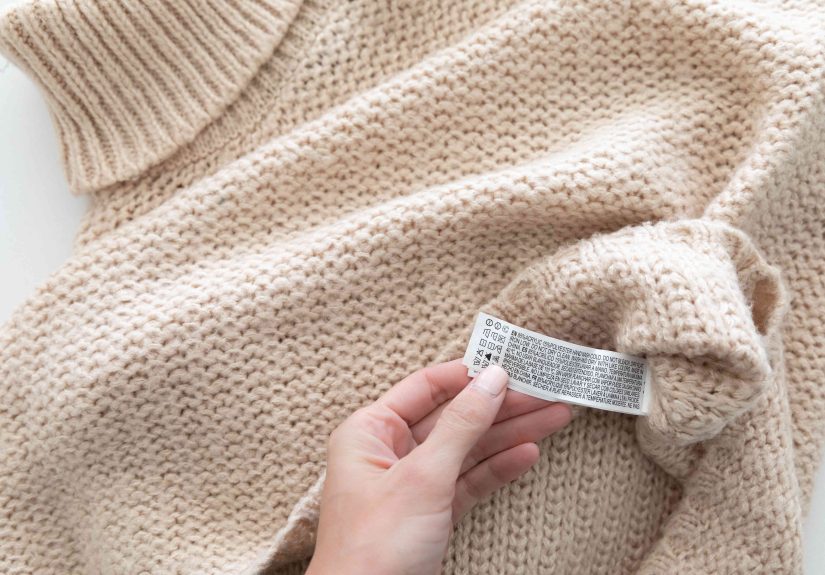
Before you do anything heroic, check the care tag. “Acrylic” is often blended with other fibers (like wool, cotton, nylon, or elastane),
and the blend changes the rules. Some acrylic knits are sturdy; others are loosely knit or delicately constructed and need extra TLC.
If the label says “hand wash” or “dry flat,” believe it. Those are not suggestionsthey are the garment’s love language.
How to Machine Wash Acrylic Clothing (The Safe, Simple Way)
Most acrylic clothing can be machine washed if you keep it gentle and cool. The goal is to clean the garment without roughing it up,
stretching it out, or inviting the Pilling Gremlins to move in.
1) Prep your acrylic like a pro
- Turn items inside out to reduce surface friction and visible pilling.
- Close zippers, fasten hooks, and tie drawstrings so nothing snags.
- Use a mesh laundry bag for sweaters and knits (especially if they’re looser knit or prone to fuzz).
- Sort by weight: don’t wash a delicate acrylic sweater with jeans that have the personality of sandpaper.
2) Choose the right settings
- Water temperature: cold or cool (warm is sometimes okay, but cold is the safest default).
- Cycle: delicate, gentle, or permanent press (lower agitation = less pilling and stretching).
- Spin: low to medium if you can adjust it; high spin can stress knits.
3) Use the right detergent (and the right amount)
Choose a mild liquid detergent. Powders can sometimes leave residue in textured knits if they don’t dissolve fully.
Use less than you think you needoverdetergenting makes rinsing harder and can leave fabric feeling stiff or clingy.
If your item is delicate or you’re washing a favorite acrylic sweater, a detergent labeled for delicates is a solid choice.
4) Skip harsh add-ons unless you’re solving a specific problem
- Bleach: avoid chlorine bleach; it can weaken fibers and mess with dyes. If you need brightening, look for oxygen-based alternatives and patch-test first.
- Fabric softener: not automatically evil, but it can build up over time. If you’re chasing softness or static control, use it sparingly or consider alternatives like vinegar in the rinse (more on that later).
How to Hand-Wash Acrylic Sweaters and Knits (When You Want Maximum Control)
Hand washing is ideal for acrylic knits that pill easily, have a loose weave, or are shaped like “one wrong move and I’ll become a crop top.”
It’s also great when you want your sweater to stay soft and keep its original drape.
Hand-wash steps
- Fill a basin with cool water.
- Add a small amount of mild detergent and swish to distribute.
- Submerge the garment and gently press it through the water. No twisting, wringing, or aggressive scrubbing.
- Soak 5–10 minutes if needed.
- Drain and rinse with cool water until the water runs clear.
- Press out water by gently squeezing (still no wringingthis isn’t a stress ball).
Drying Acrylic Clothing Without Turning It Into a Science Project
Drying is where acrylic care goes from “easy” to “easy, but only if you behave.”
High heat can stretch acrylic, set wrinkles, or cause weird shape changes. The safest approach is low heat or air dryingespecially for knits.
Best option: Dry flat for sweaters
- Lay the item flat on a clean towel.
- Roll the towel with the garment inside to absorb moisture.
- Unroll, reshape the garment (match seams, straighten hems), and lay it flat to finish drying.
Using a dryer: yes, but keep it calm
- Choose low heat or air fluff.
- Dry in shorter bursts and remove while slightly damp, then air dry the rest.
- Avoid overdrying (it increases static and can make fibers feel rough).
How Often Should You Wash Acrylic Sweaters?
If you’re washing sweaters after every single wear, your laundry basket is doing CrossFit for no reason.
Acrylic doesn’t need constant washing unless it’s against sweaty skin or exposed to odors.
A practical rule: if you wore a base layer underneath and the sweater still smells fine, air it out and wear again.
Less washing = less friction = less pilling, stretching, and fading.
The “sniff test” schedule (very scientific)
- Light wear (base layer underneath): every 3–7 wears
- Direct-to-skin wear or high activity: every 1–3 wears
- Scarves/hats: wash when makeup/oils build up or the item loses freshness
Stain Removal for Acrylic: Treat First, Then Wash
Acrylic is pretty forgiving, but stains are like gossip: the longer they sit, the more complicated they get.
Treat stains as soon as possible, and always test stain removers in a hidden area first.
Common stains and what to do
- Food/coffee: Blot (don’t rub). Rinse from the back with cool water. Pretreat with a small amount of liquid detergent, then wash gently.
- Oil/grease: Sprinkle a little baking soda or cornstarch to absorb oil, brush off, then pretreat with a degreasing dish soap (tiny amount) or stain remover. Wash cool.
- Makeup: Lift excess with a spoon edge, dab with micellar water or mild soap solution, then wash.
- Deodorant marks: Gently rub with a mix of cool water and a small amount of detergent; avoid hot water, which can set residue.
Pilling on Acrylic Sweaters: Prevention and Fixes
Pilling is that fuzzy “lint confetti” that shows up on sleeves and sides where friction happens.
Acrylic is especially prone because the fibers can break and tangle into little balls on the surface.
The key is to reduce abrasion and remove pills safely when they appear.
Prevent pilling
- Wash inside out and use a mesh bag for knits.
- Choose gentle cycles and avoid overloading the washer.
- Keep friction down: avoid wearing rough backpacks over delicate acrylic knits if you can.
Remove pills (without rage-shaving your sweater)
- Fabric shaver/depiller: The easiest, most consistent option. Use light pressure and keep the garment flat.
- Sweater stone or fabric comb: Great for certain knits; use gentle strokes.
- Disposable razor: Works in a pinchstretch fabric taut and shave lightly. If you get overconfident, you can nick the knit. Stay humble.
Static Cling: How to Stop Acrylic from Sparkling Like a Supervillain
Acrylic + dry winter air + overdrying = static cling.
The fix is usually moisture, less friction, and smarter drying habits.
Static prevention
- Don’t overdry. Remove items while slightly damp and air finish.
- Add humidity. A humidifier in dry months can help your clothes (and your skin) chill out.
- Use wool dryer balls. They reduce friction and can cut down drying time.
- Skip heavy softener buildup. If you use softener, use it sparingly.
Static emergency fixes (when you’re already dressed)
- Rub the inside of the garment with a dryer sheet.
- Lightly mist with water (or run a slightly damp hand over the fabric).
- Use a tiny amount of lotion on your hands to add moisturethen smooth the fabric.
Ironing and Steaming Acrylic: Don’t Melt Your Outfit
Acrylic can handle some wrinkle help, but it does not want a scorching hot iron.
If you need to smooth it out, steaming is usually safer than direct heat.
Safe wrinkle removal
- Steam first: Use a handheld steamer or the steam setting on your iron held slightly above the fabric.
- If ironing: Use the lowest heat setting, keep the garment inside out, and place a pressing cloth between iron and fabric.
- Reshape while damp: Many wrinkles relax when you gently smooth the garment as it air dries.
Storage Tips: Keep Acrylic Sweaters in Shape
Acrylic knits can stretch if hung for long periodsespecially heavier sweaters.
Folding is usually the best move for sweaters, cardigans, and chunky knits.
- Fold sweaters and store in a cool, dry spot.
- Avoid heavy compression that creates stubborn creases.
- Keep away from direct sunlight to protect color over time.
- If you must hang, use a wide, supportive hanger and fold the sweater over the bar instead of hanging by the shoulders.
Quick Acrylic Care Checklist
- Wash: cold/cool + gentle cycle, inside out, ideally in a mesh bag
- Detergent: mild liquid detergent, don’t overdo it
- Dry: dry flat for sweaters; if using dryer, low heat and remove slightly damp
- Pills: prevent with gentle washing; remove with fabric shaver or careful razor
- Static: avoid overdrying, add moisture, consider dryer balls
Conclusion: Acrylic Can Be EasyIf You Keep It Cool (Literally)
The secret to caring for acrylic clothing is simple: gentle washing, low heat, and low friction.
Treat acrylic like a knit that appreciates personal spacedon’t cram it into chaotic loads, don’t roast it in high heat,
and don’t scrub it like you’re sanding a deck. Do that, and your acrylic sweaters and knits can stay soft, bright, and wearable for seasons.
Real-World Laundry Experiences (and What They Teach You)
If you’ve ever owned an acrylic sweater, you’ve probably lived through at least one of these moments:
you pull it from the dryer and it’s clinging to itself like it just watched a sad movie, or you notice mysterious fuzz balls
forming under the arms as if the sweater is evolving new lifeforms. None of that means your acrylic is “bad.”
It means acrylic is doing what acrylic does when it’s exposed to heat, friction, and dry air.
One of the most common experiences people report is the “I washed it once and now it’s… bigger?” situation.
Unlike some natural fibers that shrink dramatically, acrylic is more likely to stretch or lose its original shape when it’s handled roughly or heated too much.
That’s why gentle cycles and low heat matter so much. In real laundry rooms, the biggest difference maker is often not the detergentit’s the drying habits.
Removing a sweater while it’s still slightly damp and letting it finish air drying prevents that overcooked, limp feel that can make knits look older than they are.
Another classic: “My sweater looks fine, but it feels scratchier now.” Usually, this comes down to residue and rough handling.
Too much detergent can be hard to rinse out of textured knits, and leftover residue can make fibers feel stiff.
People who switch to a smaller detergent dose and add an extra rinse often notice the fabric feels softer again.
It’s not glamorous, but it’s effectivelike drinking water, but for your clothes.
Then there’s pillingthe tiny fuzz balls that show up where friction happens: sleeves, sides, and anywhere a bag strap rubs.
A lot of folks try to “wash the pilling away” by washing more. Unfortunately, that’s like trying to fix a traffic jam by adding more cars.
The experience-based lesson is the opposite: wash less when you can, wash gentler when you must, and remove pills with the right tool.
Fabric shavers are popular because they’re quick and consistent, and they make a sweater look refreshed in minutes.
The first time someone uses a depiller successfully, it’s weirdly satisfyinglike power-washing a driveway, but smaller and socially acceptable indoors.
Static cling tends to peak when indoor air is dry and clothes are overdried. People often discover that the simplest “aha” moment is stopping the dryer a little earlier.
Overdrying adds friction and removes moisture, which is basically a recipe for cling.
Another real-world win is adding moisture back in: a quick mist of water, a damp hand smoothed over the inside of a garment,
or dryer balls that keep items moving without turning them into a static-charged burrito.
The big takeaway from everyday laundry experience is that acrylic doesn’t demand perfectionit just rewards calm decisions.
Keep it cool, keep it gentle, and your acrylic pieces will keep showing up for you, season after season.