Table of Contents >> Show >> Hide
- Why an Olivewood Mixing Spoon Stands Out
- What to Look for When Buying an Olivewood Mixing Spoon
- Best Uses for an Olivewood Mixing Spoon
- How to Care for an Olivewood Mixing Spoon
- Olivewood vs. Other Spoon Materials
- Is an Olivewood Mixing Spoon Worth It?
- Kitchen Experiences With an Olivewood Mixing Spoon
- Conclusion
- SEO Metadata
Note: Body-only HTML for web publishing. Unnecessary artifacts removed.
Some kitchen tools are flashy. They arrive with dramatic packaging, bold promises, and the kind of swagger usually reserved for sports cars and celebrity chefs. Then there is the olivewood mixing spoon: quiet, handsome, and absurdly useful. It does not beep, blink, or connect to Wi-Fi. It just shows up, stirs beautifully, and makes you look oddly competent while doing it.
If you cook even semi-regularly, a good olivewood mixing spoon can become one of those tools you reach for without thinking. It is ideal for stirring soups, folding batter, scraping the bottom of a sauté pan, mixing pasta sauce, and serving straight from the pot when dinner has officially become a “help yourself” situation. Beyond looks, olivewood has a real reputation in the kitchen because it is dense, durable, and gentle on cookware. In other words, it is the rare utensil that is both practical and photogenic.
This guide breaks down what makes an olivewood mixing spoon special, how to choose one, how to care for it properly, and why it may outlast half the trendy gadgets in your drawer. If your current spoon looks like it survived three wars and a dishwasher mutiny, this might be your upgrade.
Why an Olivewood Mixing Spoon Stands Out
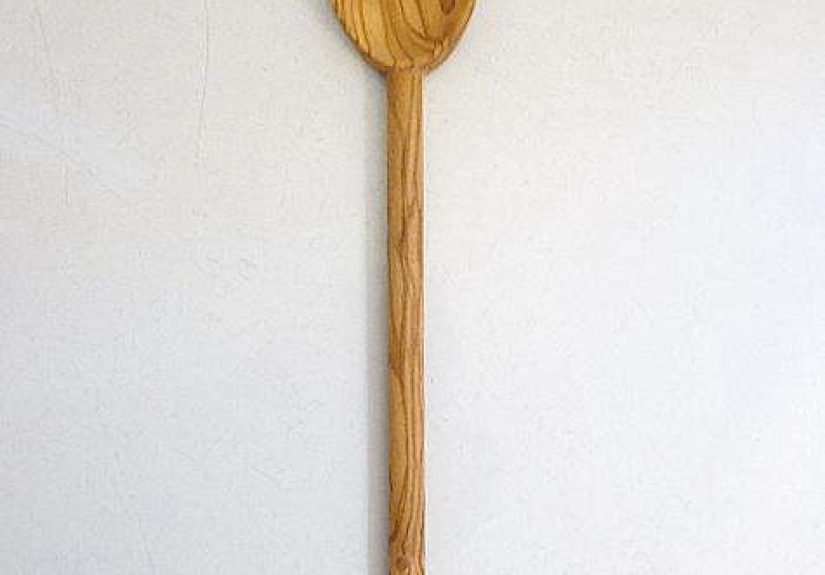
A mixing spoon made from olivewood has a few instant advantages. First, olivewood is known for its striking grain. No two spoons look exactly alike, which gives each one that slightly artisanal, “I definitely know what I am doing in the kitchen” vibe. The swirling patterns and warm golden-brown tones make an ordinary utensil feel a little elevated.
Second, olivewood tends to be dense and sturdy. That matters when you are stirring thick risotto, scraping a pan of caramelized onions, or wrestling with cookie dough that seems personally offended by your existence. A dense wooden spoon generally feels more solid in the hand and less likely to warp, split, or turn fuzzy after repeated use.
Third, wood is naturally gentle on cookware. An olivewood mixing spoon is a smart match for nonstick, ceramic, enameled, and stainless steel pans because it will not scrape like metal can. It also stays comfortable to hold during cooking. No icy handle, no weird slippery grip, no dramatic clang against your favorite saucepan.
Beauty Meets Everyday Function
Olivewood earns praise because it is not just decorative. A well-shaped spoon can stir, fold, scoop, and serve. The best versions have a bowl deep enough for sauces and soups, but not so bulky that they feel clumsy. Some have flatter edges that help scrape browned bits from the bottom of the pan, which is the exact moment good flavor starts showing off.
What to Look for When Buying an Olivewood Mixing Spoon
Not all wooden spoons deserve permanent kitchen residency. Some are too short, too shallow, too rough, or too delicate for real cooking. When shopping for an olivewood mixing spoon, focus on construction, shape, handle comfort, and finish rather than just appearance.
One Solid Piece Is Best
A spoon carved from a single piece of wood is usually a stronger choice than one made from separate glued parts. Fewer joints mean fewer weak points. If you cook often, this matters. A sturdy spoon should feel dependable, not like it might retire halfway through a pot of polenta.
Comfortable Handle Length
Handle length affects control. A longer handle works well for deep pots, chili, soups, and sauces. A medium-length spoon is great for everyday stovetop tasks and mixing bowls. If the handle is too short, your knuckles end up auditioning for a burn-treatment commercial. Too long, and the spoon can feel awkward in smaller pans.
Smooth Finish
The surface should feel smooth and well-finished, not rough or splintery. A quality olivewood spoon should glide comfortably through your hand and through food. If a spoon feels dry or scratchy before you even use it, that is not rustic charm. That is a warning.
Bowl Shape and Edge Design
Think about how you cook. A rounded bowl is useful for soups, grains, and serving. A slightly flatter edge can be excellent for scraping and stirring sauces. Some cooks prefer a shallower spoon for tasting and quick mixing, while others want a deeper bowl for hearty dishes. There is no single perfect shape, only the best one for your habits.
Best Uses for an Olivewood Mixing Spoon
The appeal of this spoon is versatility. It is not a one-trick utensil hiding in the back of the drawer waiting for one annual casserole. It is the kind of tool that can earn daily use.
Stirring Sauces and Soups
Olivewood mixing spoons are excellent for tomato sauces, creamy soups, gravies, and stews. Wood feels steady and controlled, especially when you need slow, even stirring. It is also pleasant for tasting sauces because it does not feel harsh or metallic.
Mixing Batters and Doughs
For brownie batter, pancake mix, muffin batter, and softer doughs, an olivewood spoon gives good leverage without feeling too heavy. It can also handle thicker mixtures better than many flimsy silicone utensils that fold in surrender right when the job gets interesting.
Cooking in Nonstick Pans
If you use nonstick cookware, wood is a great companion. A mixing spoon made from olivewood is gentle on coated surfaces, which helps reduce unnecessary wear. That makes it useful for scrambled eggs, sautéed vegetables, oatmeal, and pan sauces.
Serving at the Table
This is where olivewood really starts showing off. It looks elegant enough to move from stove to table without apology. Tossed salad, roasted vegetables, couscous, or a rustic pasta dish all look better when served with a beautiful wooden spoon instead of whatever random plastic utensil survived the utensil crock shuffle.
How to Care for an Olivewood Mixing Spoon
Here is the part where many good spoons meet a tragic end: bad cleaning habits. Olivewood is durable, but it is still wood. Treat it with a little respect and it can last for years. Treat it like a fork from a college dorm and it will eventually crack, dry out, or warp.
Wash It by Hand
Hand-wash your olivewood mixing spoon with warm water and mild dish soap soon after use. This is the simplest habit that preserves the spoon’s finish and structure. Dishwashers are rough on wood because of prolonged moisture, heat, and harsh detergent. Translation: the dishwasher is where good wooden utensils go to become sad.
Do Not Soak It
Letting a wooden spoon sit in water for long periods is a bad idea. Extended soaking can dry the wood out over time, weaken it, and encourage splitting or warping. Wash it, rinse it, and move on with your day like the efficient kitchen legend you are.
Dry It Thoroughly
After washing, dry the spoon with a towel rather than leaving it dripping on the counter. Moisture is not a long-term friend to wood. Thorough drying helps preserve the spoon and keeps it looking smoother and healthier.
Condition the Wood
Olivewood benefits from occasional conditioning with a food-safe mineral oil or a beeswax-based wood cream. This helps keep the wood from looking chalky or dry and can bring out its grain beautifully. Think of it as moisturizer for a hardworking kitchen tool, except this one actually deserves it.
Replace It If It Cracks
If your spoon develops deep cracks, rough splinters, or damage that cannot be smoothed out, it is time to retire it. Food safety and comfort matter more than nostalgia. A cracked spoon is not vintage. It is just risky.
Olivewood vs. Other Spoon Materials
Olivewood vs. Silicone
Silicone spoons are low-maintenance and often dishwasher-safe, but many cooks still prefer wood for feel and control. Olivewood has a firmer, more traditional hand-feel and a natural look that silicone simply cannot imitate without looking like it is trying too hard.
Olivewood vs. Bamboo
Bamboo is lightweight and budget-friendly, but olivewood usually feels denser, smoother, and more refined. If you want a spoon that feels a little more substantial and elegant, olivewood often wins on character alone.
Olivewood vs. Metal
Metal spoons are durable, but they can scratch certain cookware and feel less forgiving in delicate pans. Olivewood is quieter, gentler, and more comfortable for everyday stirring. It is the difference between a calm kitchen companion and a utensil that sounds like it is picking a fight with the pot.
Is an Olivewood Mixing Spoon Worth It?
For many home cooks, yes. An olivewood mixing spoon is one of those purchases that feels small but improves daily cooking in a very real way. It is useful, attractive, easy to handle, and suited to a wide range of kitchen tasks. It also makes a thoughtful gift for anyone who cooks, bakes, entertains, or simply enjoys tools that do their job without drama.
The value comes from how often you will use it. If you cook a few times a week, a quality olivewood spoon can become a staple. And unlike trend-based gadgets, it does not really go out of style. Good wood, good shape, good balance, done. That formula has survived generations for a reason.
Kitchen Experiences With an Olivewood Mixing Spoon
The real magic of an olivewood mixing spoon shows up in everyday cooking, not in a product description. The first time many people notice the difference is during a slow-cooked dish. Stirring a pot of soup with olivewood feels steady and controlled, almost calming. The spoon moves through the liquid with a kind of quiet confidence, and the handle stays comfortable in your hand. There is no rattling, no scraping panic, and no sensation that the utensil is one awkward turn away from snapping. It simply feels dependable.
In baking, the experience is just as satisfying. When mixing brownie batter or folding chocolate chips into cookie dough, an olivewood spoon has enough strength to work through thick mixtures without bending or twisting like a flimsy spatula. It gives you real leverage. The spoon feels balanced, which matters more than people think. When a tool feels good in the hand, you use it more naturally, and cooking becomes smoother. That may sound a little dramatic for a spoon, but anyone who has fought with a cheap utensil while batter flies onto the counter knows this is not poetry. It is survival.
Olivewood also changes the feel of serving. Picture a casual dinner with roasted vegetables, orzo, or a big pot of garlicky tomato sauce. Reaching for an olivewood mixing spoon at the table feels more intentional than grabbing a random plastic spoon that looks like it escaped from a takeout drawer. It adds a warm, rustic look that fits beautifully with stoneware, ceramic bowls, linen napkins, and all those “effortless” dinner-table moments that actually took effort.
Then there is the sensory side. Olivewood has texture without roughness, weight without heaviness, and beauty without being fussy. Over time, many cooks start recognizing their favorite spoon almost like a favorite knife or skillet. It becomes the tool for risotto, the one for oatmeal, the one for Sunday sauce, the one that always ends up in the sink first because it was used for everything. That kind of kitchen familiarity is hard to fake.
There is also a small pleasure in caring for it. Hand-washing, drying, and occasionally oiling an olivewood spoon takes only a few minutes, but it gives the tool a longer life and keeps the grain looking rich. Instead of feeling like annoying maintenance, it can feel like preserving something useful and well-made. In a kitchen full of disposable trends, that is refreshing.
Ultimately, the experience of using an olivewood mixing spoon is not about luxury in the flashy sense. It is about having one humble tool that performs beautifully, looks great, and somehow makes routine cooking feel a bit more grounded. Not bad for something whose main job is stirring dinner and occasionally rescuing sauce from the corner of a pan like the hero it is.
Conclusion
The olivewood mixing spoon earns its place in the kitchen because it combines beauty, durability, and everyday usefulness. It can stir sauces, fold batter, protect cookware, and serve food with a little more style than the average utensil. Choose one with solid construction, a comfortable handle, and a smooth finish, then care for it properly with hand-washing, thorough drying, and occasional conditioning. Do that, and this simple wooden spoon may become one of the most reliable tools in your kitchen.
In a world full of gadgets that promise everything except world peace, the olivewood mixing spoon is refreshingly honest. It is not trendy. It is not overengineered. It is just good. And sometimes, in the kitchen, good is exactly what you want.