Table of Contents >> Show >> Hide
- What Are Peony Tulips?
- Why Peony Tulips Are So Good for Cutting
- Best Peony Tulip Varieties to Know
- How to Grow Peony Tulips for Better Cut Flowers
- How and When to Cut Peony Tulips
- Tips for Arranging Peony Tulips Indoors
- Can Peony Tulips Come Back Every Year?
- Why Peony Tulips Belong in a Cutting Garden
- Experiences With Peony Tulips as Colorful Cutting Flowers
Some flowers whisper. Peony tulips walk into the room like they own the vase.
If you love spring bouquets that look lush, romantic, and just a little bit dramatic, peony tulips deserve a prime spot in your garden. These ruffled, many-petaled tulips bring the fullness of peonies and the early-season magic of tulips together in one gloriously overachieving bloom. The result is a flower that looks expensive, photographs beautifully, and makes even a kitchen counter feel like it got a promotion.
For gardeners, florists, and anyone who has ever cut a handful of flowers and marched inside like a victorious forager, peony tulips are a smart choice. They bloom in a wide range of colors, they usually have strong stems, and they offer that layered, painterly look that makes a bouquet feel instantly special. Better yet, they bloom long before peonies hit their stride, which means you can get that plush, full-flower effect in spring instead of waiting around for late spring or early summer.
Whether you want armfuls of pastel blooms for a brunch table, dramatic jewel tones for a formal arrangement, or a cutting garden that delivers serious wow factor, peony tulips are up for the job. Here is what makes them special, how to grow them well, how to cut them at the right moment, and why they have become favorites in both home gardens and spring floral design.
What Are Peony Tulips?
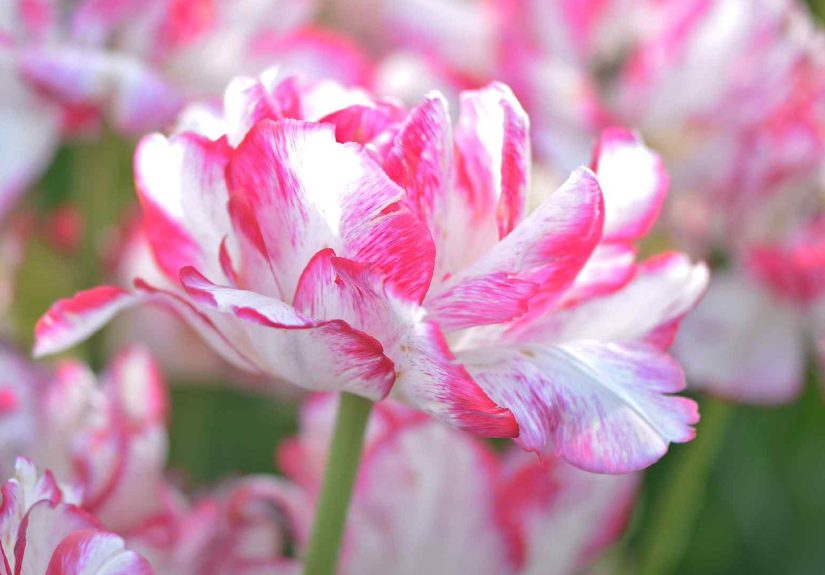
Peony tulips are tulips with double flowers, meaning they have many more petals than the classic cup-shaped single tulip. That extra petal count gives them a lush, rounded form that looks surprisingly similar to a peony bloom. In garden catalogs and flower conversations, the name often overlaps with double tulips, especially the double late group, which is known for large, long-lasting flowers that open in late spring.
That full bloom shape is the whole point. A standard tulip is elegant. A peony tulip is elegant after it has had coffee, therapy, and excellent lighting. The petals stack, fold, and fluff outward, creating flowers that can be soft and romantic or bold and theatrical depending on the variety.
These tulips come in an impressive range of shades: blush pink, creamy white, plum, burgundy, apricot, yellow, coral, and bi-color combinations with green or contrasting edges. Many varieties are lightly fragrant, and several hold their blooms well in both the garden and the vase. In other words, they are not just pretty in theory. They are useful pretty.
Why Peony Tulips Are So Good for Cutting
They look lush without needing filler
One of the best things about peony tulips is that they do not need much help. A small bunch can look like a complete arrangement on its own because each stem carries such a full, visually rich bloom. If you are making bouquets for your home, that matters. You can snip a few stems, drop them into a vase, and suddenly it looks like you had a plan.
They bloom early enough to fill a spring gap
Peonies are beloved cut flowers, but they bloom later. Peony tulips deliver that same romantic fullness earlier in the season, which makes them especially valuable in spring borders and cutting gardens. They bridge the gap between the first cheerful tulips of early spring and the heavier hitters of late spring and summer.
They bring serious color variety
If you like designing bouquets by color mood, peony tulips are your friends. Soft pink varieties like Angelique lean classic and bridal. White forms such as Mount Tacoma or Mondial feel crisp and elegant. Finola shifts in tone as it matures, offering a mix of cream, blush, and rose on the same stem. Then you have dramatic options like Black Hero or purple-toned doubles that make arrangements feel almost moody enough to write poetry about themselves.
They are showy in the garden and useful in the vase
Some flowers perform best either outdoors or indoors. Peony tulips are generous overachievers. In the garden, they create rich blocks of color and texture. Cut for arrangements, they bring strong spring presence to tables, counters, entryways, and event designs. If you want a flower that earns its square footage twice, this is it.
Best Peony Tulip Varieties to Know
You could happily disappear into tulip catalogs for hours, and honestly, many gardeners do. Still, a few peony tulip varieties are especially beloved for cutting and display:
Angelique
Probably the best-known romantic peony tulip, Angelique is soft pink, fragrant, and famously graceful in bouquets. It has the kind of bloom people describe as “dreamy,” which is florist language for “yes, this one will be photographed a lot.”
Finola
Finola is a favorite for flower arranging because its peony-like blooms are large, layered, and color-shifting. Early on, the petals can appear cream and pale pink; later they deepen into a richer blush. That subtle color evolution gives arrangements extra dimension.
Mount Tacoma
If you want white flowers that look plush instead of plain, Mount Tacoma is a strong pick. Its double blooms are creamy white with a light fragrance, and it works beautifully in monochrome bouquets or mixed spring arrangements.
Blue Spectacle
This variety brings saturated purple-pink tones and lots of petal drama. It is ideal when you want tulips that feel less sweet and more striking.
Cool Crystal
Known for rose-pink coloring and fringed petals, Cool Crystal adds texture as well as color. In arrangements, it reads as both soft and lively.
Black Hero
For gardeners who prefer a little gothic energy with their spring flowers, Black Hero delivers. Deep purple petals and a full bloom form make it one of the most dramatic double tulips around.
How to Grow Peony Tulips for Better Cut Flowers
Start with the right site
Peony tulips perform best in well-drained soil with plenty of sun. A site with at least six hours of direct sun is ideal, though some part shade can help in warmer areas. What they do not enjoy is sitting in soggy ground. Tulip bulbs are famously unimpressed by poor drainage and can rot if the soil stays wet for long stretches.
Plant in fall, not when inspiration strikes in March
Tulips are planted in fall for spring bloom. In colder climates, planting several weeks before the ground freezes gives bulbs time to develop roots. Tulips can often be planted later than many other bulbs, but they still need that cold period to flower well. In warmer regions, especially Zones 8 to 10, prechilling may be necessary to mimic winter conditions.
Plant deeply and pointy side up
A good rule is to plant bulbs two to three times as deep as the bulb’s height. Many gardeners end up planting tulip bulbs about 5 to 6 inches deep, sometimes a bit deeper in lighter soil. Always place the pointed end up and the flatter basal end down. Tulips are beautiful, but they are not mind readers.
Think differently if you are growing for cutting
In landscape beds, bulbs are usually spaced a few inches apart for a full display. In dedicated cutting beds, growers often plant much more densely to maximize production. That close spacing works especially well when you are treating tulips as annual cut flowers rather than trying to naturalize them for years.
Mulch and protect the bulbs
A light mulch layer can help moderate soil temperature and reduce weeds. In areas where squirrels or other critters treat tulip bulbs like a seasonal buffet, wire mesh can be a sanity-saving move. Deer may also browse spring growth, so repellent or protective strategies are worth considering if local wildlife has no respect for your design vision.
How and When to Cut Peony Tulips
Harvest when the buds show color
The best time to cut peony tulips is when the buds are fully formed and showing color, but before the flowers open wide. At that stage, the stems are mature enough for a good vase life, and the flowers will continue opening indoors. Cut too tight, and they may not perform well. Cut too open, and your bouquet may peak and collapse faster than your weekend motivation.
Use clean tools and cool water
After cutting, place stems directly into clean, cool water. Tulips prefer cold water, and clean buckets or vases matter because bacteria shorten vase life. Remove any leaves that would sit below the waterline, since submerged foliage encourages microbial growth and turns vase water unpleasant in a hurry.
Know that tulips keep moving after they are cut
Tulips are famous for “walking” in the vase. Even after harvest, the stems can continue to elongate and bend toward light. That movement is part of their charm, but it also means your arrangement will evolve over several days. If you want a more upright look, place the vase in a cool area with even light and recut stems as needed.
Expect about a week to 10 days of vase life
Under good conditions, tulips typically last around a week to 10 days in a vase, sometimes longer in a cool room. The fuller bloom of peony tulips can make them feel especially abundant during that time. Refresh the water, keep them away from direct heat, and enjoy the gradual opening of the petals.
Tips for Arranging Peony Tulips Indoors
Peony tulips are gorgeous in mixed arrangements, but they are often at their best in simple bunches. Their blooms are already full, textured, and colorful, so a dozen stems in one vase can feel complete. Wide-mouthed vases let the flowers arch naturally, while taller cylinders can help keep stems more upright.
If you are mixing them with other flowers, choose companions that do not visually fight with them. Branches, hellebores, spirea, ranunculus, or airy filler can work nicely. One practical note: freshly cut narcissus or daffodils should not go straight into the same conditioning water with tulips. Their sap can reduce the performance of neighboring flowers. Let daffodils condition separately first if you plan to combine them later.
For the longest display, keep arrangements cool and out of direct sun. Peony tulips are not thrilled by heat vents, hot windows, or being admired from three inches away while someone forgets to top off the water.
Can Peony Tulips Come Back Every Year?
Technically, tulips are perennial bulbs. Practically, many hybrid peony tulips are grown for their best performance in that first glorious spring. Some may return, but the display is often less reliable over time, especially in warm climates or heavy soils. That is why many gardeners treat them as annuals and replant fresh bulbs each fall for the strongest show.
If you do want to encourage return bloom, remove spent flowers after they fade, but leave the foliage in place until it yellows naturally. Those leaves are feeding the bulb for next year. Tying, braiding, or cutting them too early reduces photosynthesis and weakens future performance. Light feeding after bloom and adequate moisture while the foliage is still green can also help.
In short, if you want perfection, replant. If you enjoy a bit of gardening suspense, let a few stay and see what comes back. Both approaches are perfectly respectable.
Why Peony Tulips Belong in a Cutting Garden
Some flowers are good fillers. Some are good accents. Peony tulips are stars. They offer rich color, luxurious form, and an unmistakable spring freshness that makes bouquets feel alive rather than merely assembled. They work in cottage gardens, formal borders, containers, and dedicated cutting plots. They photograph well, gift well, and brighten indoor spaces when the rest of the garden is still warming up.
Most of all, they create that rare combination gardeners are always chasing: high beauty with manageable effort. Plant in fall, wait through winter, and then watch as these overstuffed blooms rise up like spring’s grand opening act. If you love cut flowers with personality, peony tulips are not just worth growing. They are the flowers that make you reach for the good vase.
Experiences With Peony Tulips as Colorful Cutting Flowers
One of the most memorable things about growing peony tulips is how different they feel from ordinary spring flowers once you begin cutting them regularly. In the garden, they already look plush and extravagant. Indoors, they become even more expressive. A stem that looked tidy in the morning can open wider by afternoon, shift its posture overnight, and appear almost like a different flower two days later. That small daily change is part of the pleasure. Peony tulips are not static decorations. They perform.
Gardeners often notice that the first bouquet of the season feels like a reward for surviving winter. You step outside expecting “some tulips,” and come back in with an armful of blooms that look like they belong at a wedding, a fancy dinner, or at least on a table where nobody is eating takeout from the carton. The colors seem especially intense in spring light. Soft pinks glow. Whites look creamy instead of cold. Dark varieties add a richness that feels almost velvet-like.
There is also a very practical satisfaction in cutting flowers that do not need much padding or fuss. With peony tulips, even five or six stems can fill a vase generously. That makes them rewarding for small gardens, raised beds, and even container growers who want maximum visual impact from a limited number of plants. They are also a joy for people who like to rearrange flowers every few days. Because tulips continue to move and bend, the bouquet changes shape over time, which makes the arrangement feel alive rather than finished.
Another common experience is learning that peony tulips teach restraint. The first time many gardeners grow them, they want to cut every bloom at once. Understandable. They are irresistible. But it quickly becomes clear that a few stems indoors and a few left in the garden is the winning strategy. Outside, they create lush blocks of spring color. Inside, they bring that same energy to windowsills, entry tables, and kitchen counters. The best results usually come from enjoying them in both places.
There is a sensory side to the experience too. Some varieties have a light fragrance. The petals can feel almost silky, and the layered blooms catch morning light beautifully. When arranged in a cool room, they seem to hold that fresh-from-the-garden feeling longer than many people expect. Watching them slowly open, loosen, and arch is part of the appeal. It is less like displaying a fixed centerpiece and more like keeping a living sketch on the table.
Perhaps the biggest lesson peony tulips teach is that spring flowers do not have to be simple to be easy. Yes, they need fall planting. Yes, they prefer good drainage and a little planning. But once those basics are handled, they give back far more than their maintenance level suggests. That is why so many gardeners return to them year after year. Peony tulips are colorful cutting flowers, yes, but they are also mood-lifters, room-changers, and tiny annual reminders that a garden can still surprise you, even when you thought you knew exactly what tulips looked like.