Table of Contents >> Show >> Hide
- Why the Public Misses These “Hidden Rules”
- 30 Things People in Different Jobs Wish You Knew
- Emergency departments: It’s not first-come, first-served
- Primary care: Antibiotics aren’t a “stronger” cold medicine
- Nursing: The handoff is a high-stakes moment
- Pharmacy: “It’s taking forever” is often safety work
- Fire service: Most calls aren’t fires
- 911 dispatch: The best help you can give is clean information
- Airline pilots: “Sterile cockpit” is real and it’s not a vibe
- Flight attendants: Safety is the job; snacks are a side quest
- Air traffic control: A delay can be “spacing,” not “someone messed up”
- Cybersecurity: The attacker usually starts with a human
- IT support: “Turn it off and on” is not lazinessit’s statistics
- Password policy: Length beats complexity (most of the time)
- Incident response: Containment often matters more than perfect certainty
- Workplace safety: PPE is not the top solution
- Construction: “Behind schedule” can mean “waiting to do it safely”
- Plumbing: “Flushable wipes” are a marketing achievement, not a physics one
- Electrical: Labels lie
- Food service: Most “fast” meals are made slowlyearlier
- Food safety: Bare-hand contact rules exist for a reason
- Teachers: Teaching is only half the job
- School counseling: Confidentiality has boundaries
- Social work: Eligibility rules can be as hard as the problem
- Law: Most cases don’t go to trial
- Courts: “Why is this taking so long?” is usually a capacity problem
- Accounting: An audit isn’t “checking every receipt”
- Taxes: Audits can be random or statistical, not personal
- Journalism: Verification is the job, not vibes
- Customer support: The script is often a safety rail
- Auto repair: Diagnosis time is real labor
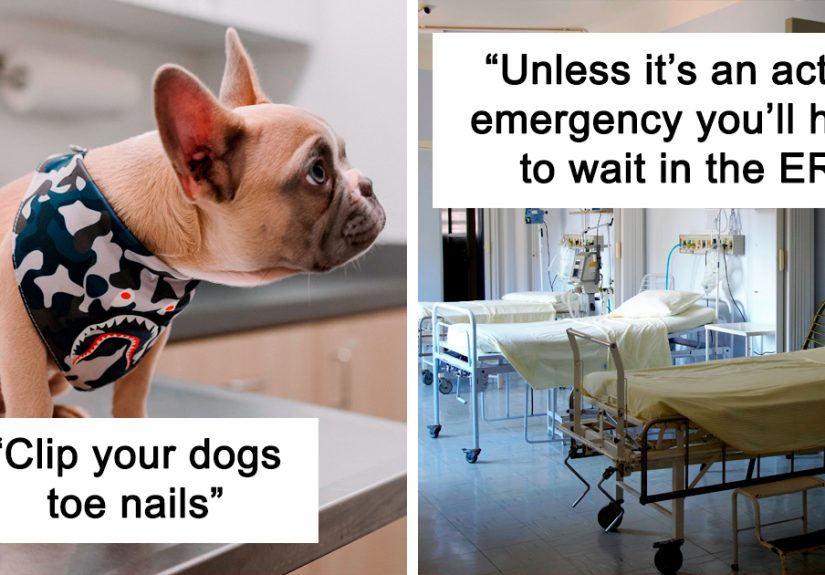
- Veterinary medicine: Costs reflect equipment, staff, and timelike human care
- Librarians: It’s part information, part community triage
- How to Use These Insights Without Becoming a Menace
- Extra: of “Ohhh… That’s Why” Experiences
If you’ve ever thought, “How hard can it be?” about someone else’s job, congratulations: you’re human.
Also congratulations: you’ve accidentally stepped into the #1 trap professionals see every dayassuming you’re watching the whole movie when you’re really
just catching the trailer (with the sound off).
The truth is, most jobs have a “behind-the-scenes tax”: rules you don’t see, risks you don’t feel, and edge cases you don’t know exist until you’re living in them.
That’s why people from different professions keep repeating the same phrase in different outfits: “It’s not that simple.”
Why the Public Misses These “Hidden Rules”
1) You see outcomes, not constraints
You see the burger, not the food safety code. You see the flight landing, not the sterile-cockpit workload. You see the bill, not the compliance paperwork.
Most professions are built around constraints: safety, liability, standards, time, staffing, or all five at once.
2) Risk management looks like “being picky”
Professionals often sound overly cautious because their job is to prevent the bad thing, not just complete the requested thing.
That’s why a mechanic asks follow-up questions, a nurse double-checks, and an IT person says “don’t click that.”
3) The weird cases are the ones that hurt you
The “one-in-a-thousand” scenario is exactly what policies are designed forbecause when it happens, it’s expensive, dangerous, or both.
A lot of professional habits exist because of the one time it went wrong.
30 Things People in Different Jobs Wish You Knew
Think of these as the “unwritten captions” professionals want to add to everyday life. Not secret secretsmore like
context that makes the world make sense.
-
Emergency departments: It’s not first-come, first-served
ERs triage by urgency and resources, not by who arrived earliest. The quiet person with a dangerous condition may jump the line,
while the loudest person might waitbecause “feels awful” and “life-threatening” aren’t always the same thing. -
Primary care: Antibiotics aren’t a “stronger” cold medicine
Antibiotics treat bacteria, not virusesso they won’t fix most colds, flu, or many sore throats. Prescribing them “just in case”
can cause side effects and helps create antibiotic resistance, which makes future infections harder to treat. -
Nursing: The handoff is a high-stakes moment
Shift change isn’t gossip timeit’s a structured transfer of responsibility. Miss one detail (a new symptom, a dosage change, an allergy),
and you can create hours of confusion or a safety risk. Good handoffs are boring on purpose. -
Pharmacy: “It’s taking forever” is often safety work
Filling a prescription includes checks for interactions, duplicate therapies, allergies, dosing ranges, and insurance rules.
When it slows down, it’s frequently because the pharmacist is protecting you from a problem you didn’t know to ask about. -
Fire service: Most calls aren’t fires
Many departments respond mostly to medical and rescue calls, plus alarms and service calls. Firefighters train for rare, high-risk events,
but the day-to-day reality often looks like EMS, lift assists, and “Is that smell… electrical?” -
911 dispatch: The best help you can give is clean information
Dispatchers are building a response plan from your words while you’re stressed. Location, call-back number, what’s happening right now,
and any immediate dangers (weapons, fire, chemicals) are pure gold. Narration helps; panic pauses don’t. -
Airline pilots: “Sterile cockpit” is real and it’s not a vibe
During critical phases of flightespecially below 10,000 feetnonessential conversation and tasks are restricted.
If the crew seems focused, it’s because they are. The safest flights often feel the least chatty. -
Flight attendants: Safety is the job; snacks are a side quest
Cabin crews are trained and evaluated on safety: evacuations, medical issues, smoke/fire response, compliance, and coordination.
Service matters, but the priority order is simple: safe cabin first, then everything else. -
Air traffic control: A delay can be “spacing,” not “someone messed up”
Controllers manage traffic flow with separation standards and sequencing. A short wait can prevent a longer problem later,
especially during weather constraints or peak congestion. Sometimes “hold” is the smoothest option. -
Cybersecurity: The attacker usually starts with a human
Many incidents begin with phishing, social engineering, or stolen credentialsnot Hollywood hacking.
The “weak point” is often a rushed click, a reused password, or a convincing message that looks official. -
IT support: “Turn it off and on” is not lazinessit’s statistics
Reboots clear stuck processes, reset connections, and surface real error states. It’s the fastest way to separate
“temporary glitch” from “something actually broken,” and it saves everyone time. -
Password policy: Length beats complexity (most of the time)
Modern guidance favors longer passwords (or passphrases) and discourages arbitrary complexity rules that push people toward predictable patterns.
A long, unique passphrase is usually strongerand more memorablethan “P@ssw0rd!23” with a yearly facelift. -
Incident response: Containment often matters more than perfect certainty
In security incidents, teams work through phasespreparation, detection/analysis, containment/eradication/recovery, and post-incident learning.
You don’t always get the full story on day one, because stopping the bleeding comes first. -
Workplace safety: PPE is not the top solution
The best controls remove or reduce the hazard (eliminate, substitute, engineer) before relying on rules and protective gear.
PPE is important, but it’s typically the last layerbecause it assumes humans never slip up. Humans do. -
Construction: “Behind schedule” can mean “waiting to do it safely”
Weather, curing times, inspections, and material lead times are real constraints. A responsible crew won’t pour concrete in conditions that ruin it
or skip a structural check because someone wants photos by Friday. -
Plumbing: “Flushable wipes” are a marketing achievement, not a physics one
Wipes, grease, and certain hygiene products can wreck pipes and clog municipal systems. If a plumber sounds dramatic about it,
it’s because they’ve met your pipes when they’re angry. -
Electrical: Labels lie
Breaker panels are often mislabeled after years of DIY fixes and remodels. Pros test circuits, lock out power, and verifybecause
the only thing worse than a wrong label is trusting it. -
Food service: Most “fast” meals are made slowlyearlier
Restaurant speed comes from prep: sauces batch-made, vegetables portioned, proteins staged, stations stocked.
The dinner rush is choreography built on hours of invisible work. -
Food safety: Bare-hand contact rules exist for a reason
Many jurisdictions restrict bare-hand contact with ready-to-eat foods unless specific safeguards are in place.
Gloves aren’t magic, but preventing contamination is a systemnot a “trust me, I’m clean” promise. -
Teachers: Teaching is only half the job
Instruction shares the stage with behavior management, assessment, documentation, meetings, and communication.
When teachers look tired, it’s not just the kidsit’s the invisible admin workload riding on top of the lesson. -
School counseling: Confidentiality has boundaries
Counselors protect privacy, but there are limits when someone may be at risk of harm.
If they ask careful questions, it’s not nosinessit’s responsibility. -
Social work: Eligibility rules can be as hard as the problem
Many services are constrained by funding categories, documentation requirements, and waitlists.
Social workers often spend as much time navigating systems as supporting peoplebecause the system is part of the work. -
Law: Most cases don’t go to trial
Trials are expensive, slow, and risky. Many disputes settle or resolve through motions and negotiation.
So if a lawyer focuses on leverage and documentation, they’re playing the game most cases actually use. -
Courts: “Why is this taking so long?” is usually a capacity problem
Dockets are crowded, procedures are strict, and scheduling involves many moving parts.
The system is designed for fairness and due process, not speedso delays aren’t always drama; they’re logistics. -
Accounting: An audit isn’t “checking every receipt”
Audits often rely on sampling, risk assessment, and materialitybecause reviewing every transaction can be impossible.
The goal is reasonable assurance, not omniscience. -
Taxes: Audits can be random or statistical, not personal
Tax authorities can select returns through random research programs, computer screening against norms, or related examinations.
Getting selected doesn’t automatically mean wrongdoingit can mean your return doesn’t look like the statistical neighbors. -
Journalism: Verification is the job, not vibes
A good reporter tries to confirm, triangulate, and contextualizenot just publish the hottest claim first.
That process can look “slow” from the outside, but it’s how you avoid broadcasting nonsense at scale. -
Customer support: The script is often a safety rail
Scripts protect customers and companies: identity verification, compliance, troubleshooting sequence.
If you give clear details (what changed, exact error message, steps already tried), you’ll get to the human brain part faster. -
Auto repair: Diagnosis time is real labor
“It makes a noise sometimes” is a mystery novel with missing chapters. Pros have to reproduce symptoms, isolate variables,
and test hypotheses. The bill isn’t only for the partit’s for finding the right part. -
Veterinary medicine: Costs reflect equipment, staff, and timelike human care
Vets use imaging, labs, anesthesia, and monitoring with trained teams. They also translate symptoms from a patient who can’t talk.
When they ask lots of questions, it’s because they’re doing detective work in real time. -
Librarians: It’s part information, part community triage
Libraries help with digital access, job applications, research skills, and sometimes crisis navigation.
Many librarians also protect reader privacy and intellectual freedom while managing safety and policy.
How to Use These Insights Without Becoming a Menace
- Ask “What do you need from me?” It’s the fastest way to help professionals help you.
- Give specifics. Times, symptoms, error messages, what you already tried, what changed.
- Assume there’s a rule you can’t see. Because there usually is.
- Respect the checklist. Checklists are where disasters go to die.
Extra: of “Ohhh… That’s Why” Experiences
Here are a few real-world moments (the kind professionals swap stories about) that show how these hidden rules collide with everyday life:
The ER waiting room paradox: A person storms up to the desk: “I’ve been here two hours!”
Meanwhile, someone elsequiet, pale, and trying not to panicis whisked back in five minutes. To the frustrated patient, it looks unfair.
To the triage nurse, it’s the whole point. ERs are built to treat “most urgent” first, not “most annoyed” first.
And yes, the nurse wishes you could see the invisible scoreboard: oxygen levels, blood pressure trends, chest pain red flags, stroke symptoms.
The calm patient getting rushed back isn’t “cutting”they’re being triaged.
The airplane “why are they ignoring us?” moment: Passengers board, and someone tries to chat up the pilots while the cockpit is busy.
The response feels curt. Then you learn about sterile cockpit rules and how many tasks stack up during critical phases of flight.
Suddenly, the lack of small talk isn’t rudeit’s professionalism. You wouldn’t expect a surgeon to crack jokes while making the first incision,
and you probably shouldn’t expect a pilot to multitask below 10,000 feet.
The “my password keeps getting rejected” spiral: You try to create a password, and the site demands a symbol, a haiku,
and the blood type of your first goldfish. Then you discover modern guidance often prefers long passphrases and fewer gimmicky composition rules.
The plot twist? The strict rules were meant to helpbut sometimes they train people into predictable patterns
(“Summer2026!”), which is the security equivalent of hiding your spare key under the doormat and labeling it “SPARE KEY.”
The restaurant glove illusion: A customer feels reassured by glovesuntil you watch a gloved hand touch raw chicken,
then a fridge handle, then a phone, then a sandwich bun. Gloves aren’t cleanliness; they’re a tool. Food safety is systems:
handwashing, separation, temperature control, and minimizing contamination routes. The best kitchens don’t rely on “gloves = safe”;
they rely on habits that work even when nobody’s watching.
The “it’s not fixed, it just stopped doing it” car mystery: You bring a car in for a rattle that happens “sometimes.”
The mechanic can’t reproduce it. You leave annoyed. Later, it returnsof course it does, because intermittent problems are the worst.
That’s why pros ask for videos, conditions (speed, weather, turning, braking), and anything that changed recently.
Diagnosis is detective work, and every missing clue costs time.
The audit panic that wasn’t personal: A letter arrives. Your stomach drops. Then you learn that selection can be statistical,
random, or related to certain patternsnot a declaration of guilt. The takeaway isn’t “the system is out to get me.”
It’s “keep records like Future You will need to prove Past You wasn’t winging it.”
Across all these stories, the pattern stays the same: professionals aren’t trying to be difficult.
They’re trying to be correct inside a world full of constraintsand they’re carrying the consequences if things go sideways.
Once you see that, a lot of “mysterious” behavior starts to look like competence.