Table of Contents >> Show >> Hide
- Meet the Contenders
- Pumpkin vs. Butternut Squash: The Nutrition Face-Off
- Quick Verdict Table
- So, Which One Is Healthier Overall?
- The Real Health Trap: What You Add to It
- Best Ways to Eat Pumpkin and Butternut Squash
- Which One Wins for Different Health Goals?
- Final Take
- Kitchen Experience: What It’s Actually Like to Cook and Eat Both
- SEO Tags
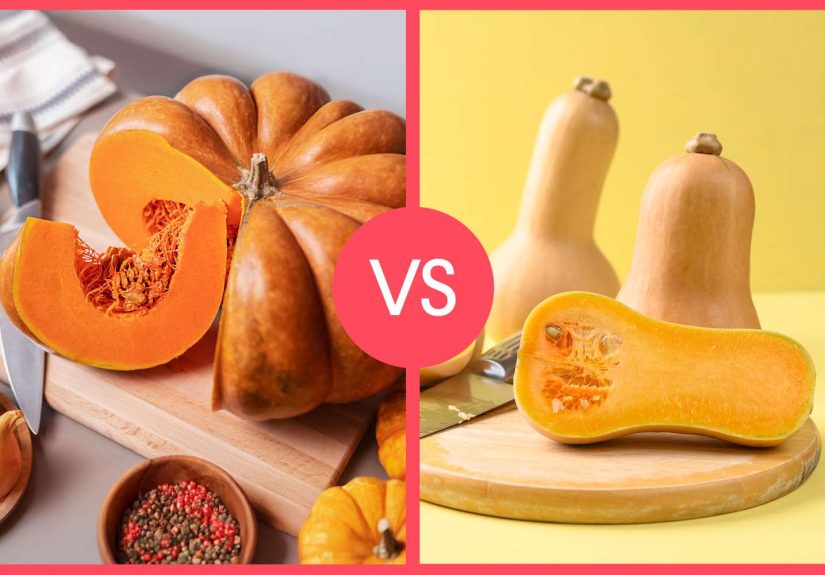
Fall has a talent for turning grocery stores into orange-themed fan clubs. Suddenly, every aisle is whispering, “Buy the pumpkin,” while butternut squash sits nearby looking like the quiet overachiever in a beige sweater. So which one is actually healthier?
The honest answer is delightfully annoying: both are nutritious, and the “winner” depends on what you want from your food. If you want fewer calories, pumpkin often has the edge. If you want a more filling bowl, a bigger dose of vitamin C, and plenty of potassium, butternut squash often comes out ahead. If you want a simple verdict wrapped in a cozy scarf, here it is: you really cannot lose with either one, as long as you do not drown it in sugar, butter, and a dramatic snowfall of marshmallows.
Still, a head-to-head comparison is more fun than vague vegetable diplomacy. Let’s break it down.
Meet the Contenders
Pumpkin and butternut squash both belong to the winter squash family, which means they are naturally sweet, hearty, and built for colder weather meals. They also share the same bright orange clue that nutrition experts love to point out: that color usually signals carotenoids, including beta-carotene, which the body can convert into vitamin A.
That makes both vegetables smart choices for people who want more nutrient-dense produce in their meals without piling on a ton of calories. They are naturally low in fat, contain fiber, and can work in everything from soups and grain bowls to pasta sauces and baked goods. In other words, these are not just decorative porch celebrities. They actually pull their weight in the kitchen.
Pumpkin vs. Butternut Squash: The Nutrition Face-Off
1. Calories and Carbs
If your goal is lighter meals, pumpkin usually comes in lower in calories. Plain pumpkin is often praised for offering solid nutrition with a relatively modest calorie count, which is one reason dietitians like it for soups, purees, oatmeal add-ins, and healthier baking swaps.
Butternut squash is still far from a calorie bomb, but it is usually denser and slightly sweeter. That means it can feel more substantial on the plate. If pumpkin is the breezy fall lunch, butternut squash is the cozy dinner that tells you to cancel your evening plans and wear fuzzy socks.
Bottom line: Pumpkin usually wins if you want fewer calories per serving. Butternut squash wins if you want something a little more filling and satisfying.
2. Fiber and Fullness
Both pumpkin and butternut squash bring fiber to the table, which is great news for digestion, fullness, and overall heart-friendly eating patterns. Fiber helps meals stick with you longer, which can make it easier to avoid the classic fall mistake of eating a vegetable side dish and then “accidentally” inhaling half a tray of cookies an hour later.
Butternut squash often has the edge here when you compare plain servings side by side, especially cooked portions. Its texture is thicker and starchier, which also adds to that satisfying, meal-worthy feel. Pumpkin can still contribute meaningful fiber, especially in plain canned puree, but the exact amount varies more depending on whether you are eating fresh cooked pumpkin, cubed pumpkin, or puree.
Bottom line: For satiety, butternut squash usually has a slight advantage.
3. Vitamin A and Antioxidants
This is where both vegetables show off. Their deep orange flesh is loaded with carotenoids, including beta-carotene. Your body converts some of that beta-carotene into vitamin A, which supports normal vision, immune function, and healthy growth and maintenance of tissues.
In plain English, this means both pumpkin and butternut squash deserve a gold star for being genuinely nutrient-rich. They are not just trendy seasonal produce. They are useful, everyday vegetables that help you boost vitamin intake in a very low-drama way.
Because both are strong sources of carotenoids, calling one the clear champion in this category feels a little like trying to pick a winner between two excellent sweaters. One may fit your style better, but both are doing the job beautifully.
Bottom line: This category is basically a tie. Both are excellent choices for carotenoids and vitamin A support.
4. Vitamin C, Potassium, and Other Extras
Butternut squash often pulls ahead here. It is commonly noted for delivering a stronger dose of vitamin C and potassium per serving, along with helpful amounts of magnesium, folate, and vitamin E. Potassium matters for heart health and blood pressure support, which is one reason winter squash shows up in so many dietitian-approved meal plans.
Pumpkin is no slouch, though. It also provides potassium and other valuable nutrients, and plain pumpkin puree can be surprisingly impressive. The catch is that people often compare fresh pumpkin to pureed pumpkin or compare a homemade roasted squash to a sugary canned pie filling, which is a nutritional apples-to-lanterns situation.
Bottom line: If you are looking for a stronger all-around mineral-and-vitamin support player, butternut squash often gets the nod.
Quick Verdict Table
| Category | Winner | Why |
|---|---|---|
| Lower calories | Pumpkin | Usually lighter per plain serving |
| More filling texture | Butternut Squash | Denser, starchier, more meal-like |
| Fiber and fullness | Butternut Squash | Often offers a slight edge |
| Vitamin A and carotenoids | Tie | Both are excellent orange all-stars |
| Vitamin C and potassium | Butternut Squash | Often higher in both |
| Versatility in baking and puree | Pumpkin | Easy to blend into sweet or savory recipes |
So, Which One Is Healthier Overall?
If you force this article to choose just one overall winner, butternut squash has a slight edge as a stand-alone vegetable because it tends to offer more fiber, more vitamin C, more potassium, and a more substantial, satisfying texture. It feels a bit more like a complete side dish, especially when roasted.
But pumpkin is right behind it, and in some situations, it is the better pick. It is lower in calories, easy to use in both sweet and savory dishes, and incredibly convenient when you buy plain canned pumpkin puree. That convenience matters. A healthy food you actually cook and eat beats a healthier food that dies a lonely death in your crisper drawer.
So the smarter conclusion is this: the healthier fall favorite depends on your goal.
Choose Pumpkin If You Want:
- A lower-calorie option
- An easy puree for soups, sauces, oatmeal, or baking
- A versatile ingredient that slips into recipes without much effort
- The bonus option of enjoying pumpkin seeds for extra protein, magnesium, and healthy fats
Choose Butternut Squash If You Want:
- A heartier, more filling vegetable side
- More vitamin C and potassium
- A sweeter flavor without adding much sugar
- A roast-friendly texture that holds up beautifully in savory meals
The Real Health Trap: What You Add to It
This is the part where many perfectly respectable vegetables get dragged into dessert behavior. Pumpkin and butternut squash are healthy in their plain forms. The problem starts when they become delivery systems for lots of brown sugar, sweetened condensed milk, syrup, heavy cream, marshmallows, or enough butter to make a cardiologist sigh into the middle distance.
Pumpkin pie filling is not the same thing as plain canned pumpkin. Roasted butternut squash tossed with a little olive oil is not the same thing as a casserole buried under sugar. If you want the nutrition benefits, the healthiest path is usually simple cooking: roast, steam, blend, mash, or simmer with herbs and spices instead of turning your vegetable side into a holiday cupcake in disguise.
A small amount of healthy fat, such as olive oil or nuts, can actually be useful because carotenoids are better absorbed when eaten with some fat. That means you do not need to fear flavor. You just want to avoid crossing the line into “this side dish now qualifies as pie.”
Best Ways to Eat Pumpkin and Butternut Squash
Healthy Pumpkin Ideas
Stir plain pumpkin puree into oatmeal, chili, yogurt, pancake batter, pasta sauce, or soup. You can also use it to replace part of the butter or oil in some baked goods. It adds moisture, color, and a mild earthy sweetness without screaming, “Hello, I am a vegetable pretending to be dessert.”
Healthy Butternut Squash Ideas
Roast cubes with olive oil, black pepper, and rosemary. Blend it into soup with onions and garlic. Add it to grain bowls with beans or chicken. Toss it into salads with greens, apples, and toasted seeds. Its naturally sweet flavor makes it one of the easiest vegetables to serve to people who usually act suspicious around produce.
Best for Blood Sugar-Aware Meals
Both can fit into balanced meals, but portion and preparation matter. Pair either one with protein, healthy fat, and other high-fiber foods to create a steadier, more satisfying plate. Translation: a bowl of roasted butternut squash with salmon and greens is doing far more for you than a slice of pie and a latte wearing a scarf.
Which One Wins for Different Health Goals?
For Weight Management
Pumpkin has the edge because it is often lower in calories and easy to use as a bulk-boosting ingredient in soups, stews, sauces, and baked goods.
For Heart Health
Butternut squash gets a slight lead thanks to its potassium and fiber profile, though both fit beautifully into heart-smart eating patterns.
For Gut Health
Both help, because fiber supports digestion and fullness. Butternut squash may feel more satisfying in a main meal, while pumpkin puree is easier to blend into everyday foods.
For Eye and Immune Support
This one is a draw. Their orange color means both bring carotenoid power to the table.
Final Take
If your question is, “Which one is healthier?” the best answer is: butternut squash wins by a nose, but pumpkin is still an excellent choice. Butternut squash tends to be more filling and often offers more vitamin C and potassium, while pumpkin is leaner, wildly versatile, and easier to keep on hand in puree form.
So do not overcomplicate the produce aisle showdown. Pick pumpkin when you want light, smooth, and convenient. Pick butternut squash when you want rich, hearty, and savory. Pick both when you want to eat like a reasonably healthy person who also enjoys food. That, frankly, is the strongest fall strategy of all.
Kitchen Experience: What It’s Actually Like to Cook and Eat Both
A practical kitchen experience many home cooks recognize is that pumpkin and butternut squash behave very differently once they leave the cutting board. Pumpkin feels humble. It is mild, soft, and easygoing. When it is pureed, it slides into recipes like it paid rent in advance. Stir it into oatmeal, pancake batter, chili, or soup, and it blends in without much fuss. It adds color, body, and a gentle earthiness, but it rarely takes over. That makes pumpkin especially useful for busy cooks who want to add nutrition without changing the whole personality of a meal.
Butternut squash is the opposite in the best possible way. It announces itself. Roast a tray of butternut cubes and the kitchen starts smelling like fall got its life together. The edges caramelize, the center turns creamy, and suddenly a very basic sheet pan dinner looks like something you planned on purpose. It is sweeter than pumpkin, more substantial, and usually more satisfying if you want a vegetable that can anchor the plate instead of politely sitting in the corner.
In real-life eating, that difference matters. Pumpkin often wins on convenience. A can of plain pumpkin puree is a weeknight hero. You can open it, scoop it, and move on with your life. No peeling. No wrestling a heavy squash on the counter like you are competing on a cooking show. It is ideal for soups, smoothies, muffins, and quick sauces. If your goal is “healthy, fast, and I do not want to wash three knives,” pumpkin is hard to beat.
Butternut squash wins on texture and dinner-table satisfaction. People who say they are not excited about vegetables somehow become very interested when butternut squash is roasted properly. It has that naturally sweet, nutty flavor that makes healthy eating feel less like a project and more like a reward. It is also the kind of food that pairs well with almost everything: chicken, salmon, lentils, quinoa, spinach, sage, cranberries, goat cheese, apples, cinnamon, garlic. It is the social butterfly of fall produce.
There is also a satiety difference you can feel. Pumpkin-based dishes can be wonderfully light, but they sometimes need help from protein or grains to feel like a complete meal. Butternut squash tends to feel fuller on its own, especially in roasted bowls and blended soups. If you are the kind of person who gets hungry again 47 minutes after lunch, that may matter more than tiny differences on a nutrition chart.
From a flavor standpoint, pumpkin is subtle and flexible. Butternut squash is richer and more obviously sweet. From a prep standpoint, pumpkin puree is easy, while whole butternut squash asks for more effort but often gives a bigger payoff. From a health standpoint, both earn a place in a smart fall menu. So the most realistic experience-based answer is this: pumpkin is the efficient overachiever, butternut squash is the slightly glamorous closer, and your healthiest move is to use both depending on what the meal needs.
SEO Tags
Note: This article focuses on plain pumpkin and plain butternut squash. Once either one is turned into a sugar-heavy dessert, the vegetable did its best and the toppings took over.