Table of Contents >> Show >> Hide
- Why This Potato Combo Works So Well
- Scalloped Russet and Sweet Potatoes Recipe (8 Servings)
- Step-by-Step Instructions
- Flavor Upgrades and Variations
- Common Mistakes (and How to Avoid Them)
- Make-Ahead, Storage, and Reheating
- What to Serve With Scalloped Russet and Sweet Potatoes
- Nutrition and Portion Strategy
- FAQ
- 500+ Words of Real Kitchen Experience With This Recipe
- Conclusion
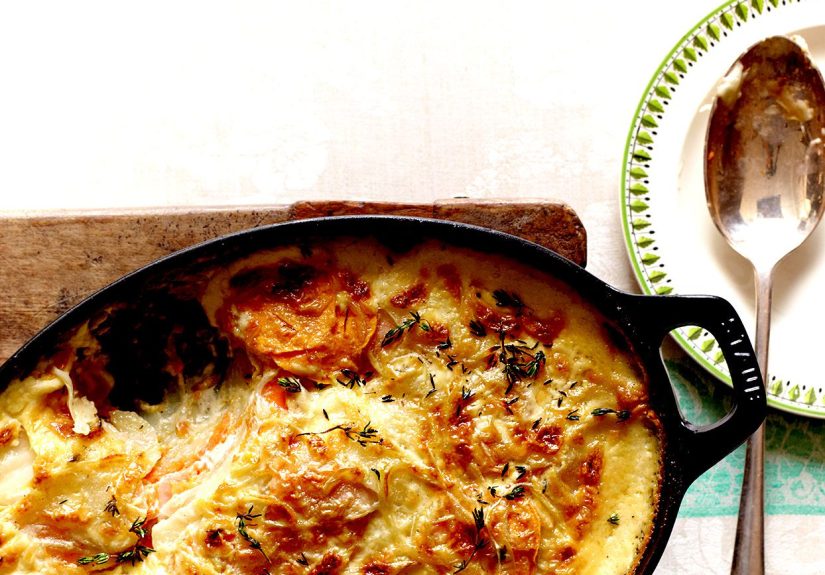
If classic scalloped potatoes and sweet potato casserole had a delicious, cozy baby, this would be it. This
Scalloped Russet and Sweet Potatoes Recipe brings together the best of both worlds: russets for
creamy, starchy comfort and sweet potatoes for color, subtle sweetness, and that “who brought this?!” effect at
the table. It’s rich without being heavy-handed, savory with just enough sweet notes, and fancy-looking enough to
make people think you used a tiny culinary blowtorch while wearing a French apron.
The version below is built from practical techniques used by trusted U.S. test kitchens and recipe editors:
thin, even slicing; cream-and-milk balance for silky texture; strategic seasoning between layers; and a baking
method that protects tenderness before creating a bronzed, bubbly top. Translation: no crunchy centers, no broken
sauce, no potato glue. Just a deeply flavorful, make-ahead-friendly casserole that works for holidays, Sunday
dinners, or Tuesday nights when your soul needs carbs.
In this guide, you’ll get the full recipe, step-by-step instructions, flavor upgrades, troubleshooting, storage,
reheating, and real-life kitchen experience notes (including what to do when your top browns too fast and your
middle still acts like it’s raw). Let’s make a pan of potatoes that disappears before the main dish gets its own
applause.
Why This Potato Combo Works So Well
Mixing russet and sweet potatoes isn’t just for pretty layers (although, yes, the orange-and-ivory stripes are
gorgeous). It’s smart cooking chemistry:
-
Russet potatoes are starch-forward, so they help thicken the creamy base naturally as they
cook. -
Sweet potatoes add moisture, gentle sweetness, and a velvety bite that makes each forkful more
complex. -
A savory dairy blend (cream + milk + garlic + thyme + nutmeg) balances sweetness so the dish
tastes elegant, not dessert-ish. - Gruyère + Parmesan brings nutty depth, melt, and the golden top everyone fights over.
Scalloped Russet and Sweet Potatoes Recipe (8 Servings)
Ingredients
- 2 pounds russet potatoes (about 4 medium-large), peeled
- 2 pounds sweet potatoes (orange-flesh), peeled
- 2 tablespoons unsalted butter (plus more for greasing dish)
- 4 garlic cloves, minced
- 2 cups heavy cream
- 1 cup whole milk
- 1 1/2 teaspoons kosher salt, plus more to taste
- 3/4 teaspoon black pepper
- 1 teaspoon fresh thyme leaves (or 1/2 teaspoon dried)
- Pinch of freshly grated nutmeg
- 1 1/2 cups shredded Gruyère cheese
- 1/2 cup finely grated Parmesan cheese
- Optional garnish: chopped chives or parsley
Equipment
- 9×13-inch baking dish (or 3-quart casserole)
- Mandoline or sharp chef’s knife
- Large saucepan
- Foil
Step-by-Step Instructions
1) Prep the oven and dish
Preheat oven to 375°F. Generously butter your baking dish, including corners and sides.
(Potatoes have a long memory and hold grudges when pans are under-greased.)
2) Slice potatoes thin and even
Slice russet and sweet potatoes into 1/8-inch rounds. Keep thickness consistent so everything
cooks at the same rate. A mandoline is your best friend here.
Optional anti-browning tip: If prep is taking longer, hold slices in cold water. Before using, dry thoroughly.
Excess water can dilute your sauce.
3) Build the infused cream base
In a large saucepan over medium heat, melt butter. Add garlic and cook 30–45 seconds until fragrant (not browned).
Add cream, milk, salt, pepper, thyme, and nutmeg. Heat until steaming and just below a simmer.
4) Warm the potato slices in the dairy
Add all sliced potatoes to the saucepan in batches, gently folding to coat. Cook for 5–7 minutes
over medium-low, stirring occasionally. This preheating step starts tenderizing the potatoes and helps prevent a
watery bake.
5) Layer and cheese strategically
Transfer about half the potato mixture into the baking dish. Sprinkle with half the Gruyère and a few tablespoons
Parmesan. Add remaining potatoes and top with remaining cheeses.
6) Bake covered, then uncovered
Cover tightly with foil and bake 45 minutes. Remove foil and continue baking
25–35 minutes until top is deeply golden and potatoes are fork-tender in the center.
If top darkens too quickly, tent loosely with foil and keep going.
7) Rest before serving
Let the casserole rest 15–20 minutes. This helps sauce thicken and layers set, so you serve
creamy slices instead of potato soup.
8) Garnish and serve
Finish with chives or parsley for brightness. Serve warm and brace for compliments.
Flavor Upgrades and Variations
Herb-forward holiday version
Add finely chopped sage and rosemary to the cream (about 1 teaspoon each). Keep thyme for balance.
Caramelized onion version
Fold in 1 cup caramelized onions between layers for deeper savory sweetness.
Smoky version
Add 1/2 teaspoon smoked paprika and a small pinch of cayenne to the cream base.
Lighter weeknight version
Use 1 cup cream + 2 cups whole milk and reduce cheese by about 1/3. Still creamy, just less indulgent.
Ultra-cheesy “party pan”
Increase Gruyère to 2 cups and add a thin layer of sharp cheddar in the middle. Serve in smaller portions with a
crisp green salad.
Common Mistakes (and How to Avoid Them)
Mistake 1: Slices are uneven
Thick pieces stay firm while thin ones collapse. Keep that 1/8-inch target consistent.
Mistake 2: Sauce turns watery
Usually caused by excess water from soaking/rinsing or not preheating potatoes in dairy. Dry slices well, and use
the stovetop preheat step.
Mistake 3: Top burns before center is done
Cover for the first bake phase and position dish on the center rack. If browning too fast, tent with foil.
Mistake 4: Bland layers
Season the dairy base confidently. Potatoes absorb salt aggressively, so timid seasoning gives cafeteria vibes.
Mistake 5: Cutting immediately after baking
Rest time matters. Give it 15–20 minutes for clean serving and better texture.
Make-Ahead, Storage, and Reheating
Make ahead (up to 24 hours)
Assemble casserole, cover, and refrigerate. Bake the next day; add 10–15 minutes because it starts cold.
Fridge storage
Cool, cover, and refrigerate leftovers up to 4 days.
Reheat
Reheat covered at 325°F until hot, then uncover briefly to refresh top texture. For food safety, leftovers should
reach 165°F.
Freezer note
You can freeze, but dairy-based casseroles may lose some silky texture after thawing. Best quality is fresh or
refrigerated.
What to Serve With Scalloped Russet and Sweet Potatoes
- Roast chicken or turkey
- Garlic herb pork tenderloin
- Seared salmon with lemon
- Green beans with almonds
- Arugula salad with apple cider vinaigrette
- Cranberry chutney or tart relish for contrast
Nutrition and Portion Strategy
This is a rich side dish, and that’s the point. For balance, pair it with lean protein and a sharp, crunchy
vegetable. At holiday meals, smaller squares (about 3×3 inches) are ideal because guests usually sample multiple
sides. On regular weeknights, a larger serving with salad makes it a satisfying vegetarian main.
If you’re feeding guests with mixed preferences, this recipe wins because it sits between classic scalloped
potatoes and sweet potato casserolesavory enough for traditionalists, flavorful enough for adventurous eaters.
FAQ
Can I use only russet potatoes?
Absolutely. You’ll get a more traditional scalloped profilecreamy, neutral, and deeply comforting.
Can I use only sweet potatoes?
Yes, but reduce sugar-heavy add-ins and keep savory seasonings strong (garlic, thyme, pepper, cheese) to prevent
a one-note sweet result.
Do I have to peel the potatoes?
Peeling gives a more delicate texture. You can keep skins on thin-skinned potatoes, but for this mixed recipe,
peeled layers look and eat more refined.
Is this scalloped potatoes or au gratin?
In everyday U.S. kitchens, the terms overlap. Traditional “scalloped” may skip cheese; “au gratin” usually
includes cheese. This recipe intentionally uses cheese for flavor and browning.
Can I swap Gruyère?
Fontina, white cheddar, or Swiss work well. Keep Parmesan for top color and nutty depth.
How do I keep layers from sliding apart?
Slice evenly, preheat in dairy, and let the finished dish rest before cutting. Those three steps do most of the
heavy lifting.
500+ Words of Real Kitchen Experience With This Recipe
The first time I made scalloped russet and sweet potatoes, I treated it like a regular potato casserole and learned
a humbling lesson: sweet potatoes are not background singers. They are a lead vocalist with perfect pitch and very
clear opinions. I used too much cream, too little salt, and sliced everything by hand at wildly different
thicknesses. Half the pan was dreamy; the other half had that “al dente but make it confusing” energy. It still got
eaten, because melted cheese is diplomatic, but I knew the method needed work.
Batch two was where things clicked. I switched to a mandoline and committed to 1/8-inch slices. That one change
made the bake far more predictable. Then I started warming the slices in seasoned cream before the oven. Suddenly,
the center cooked through without turning the top into a carbon event. The sauce tightened naturally as the starch
released, and the layers held better after resting. My family’s feedback evolved from “This is good!” to “Who made
this and where did they learn to cook?”
One Thanksgiving, I served this next to both roasted turkey and a glazed ham. I assumed people would choose one
lane: team savory or team sweet. Nope. The casserole became the peace treaty on the table. Guests who usually skip
sweet potato casserole took seconds because the garlic-thyme-cheese profile kept it savory. Sweet potato fans liked
the softer orange layers and slight caramel notes around the edges. The only genuine problem was serving logistics:
I didn’t make enough. I now plan for one extra “hidden” pan because this dish disappears before pie is even
announced.
I’ve tested many add-ins over time. Caramelized onions are worth the effort when you want a deeper, almost jammy
sweetness that doesn’t read sugary. Smoked paprika is excellent in cold weather, especially with pork or brisket.
I tried blue cheese once in a moment of culinary curiosity and can report: proceed with caution unless your guests
signed a consent form. Gruyère plus Parmesan remains the most reliable combo for broad crowd appealmelty, nutty,
and balanced.
For make-ahead meals, I assemble the full casserole the night before, refrigerate it, and bake the next day with a
little extra oven time. This strategy is clutch during holidays when oven space is as competitive as airport parking
in December. If the top browns early, a loose foil tent solves it. If the sauce seems thin right out of the oven, I
wait. Resting is not optional here; it is the difference between “sliceable showpiece” and “delicious landslide.”
Leftovers might be the biggest surprise. Reheated gently, they become even more cohesive, almost like the flavors
held a meeting overnight and agreed on a single message. I’ve served next-day squares under fried eggs for brunch,
tucked warm portions beside roast chicken, and even eaten a forkful standing at the fridge at 11:47 p.m. purely for
quality assurance. If your goal is a side dish that feels comforting, looks impressive, and actually behaves in real
home kitchens, this recipe earns a permanent spot in the rotation.
Conclusion
A great Scalloped Russet and Sweet Potatoes Recipe should do three things: taste rich but
balanced, slice cleanly, and make people ask for the method. With even slicing, seasoned dairy, and a covered-then-
uncovered bake, this dish delivers every time. Whether you’re planning a holiday menu, a Sunday roast, or a cozy
dinner upgrade, this casserole brings comfort-food confidence with just enough flair to steal the spotlight.