Table of Contents >> Show >> Hide
- What Exactly Is a Sumo Orange?
- Why They Taste So Ridiculously Good
- Seasonality: When to Buy (and Why You Shouldn’t Wait)
- How to Pick the Best Sumo Oranges Like a Pro
- Storage Tips: Keep Them Sweet, Not Sad
- Nutrition and Health Perks: Sweet Can Be Smart
- Why Are Sumo Oranges More Expensive?
- How to Eat Sumo Oranges Beyond “Standing Over the Sink”
- Sumo vs. Other Citrus: What Makes It Different?
- Quick FAQ
- Conclusion: Your Winter Citrus Upgrade
- Real-World Sumo Orange Moments (Yes, It’s a Thing)
- SEO Tags
There are two kinds of winter people: (1) the ones who embrace soup season, and (2) the ones who stare out the window,
wondering why the sun clocked out at 5:07 p.m. If you’re in either category, allow me to introduce your seasonal mood-lifter:
the Sumo orange (often sold as Sumo Citrus). It’s the big, bumpy, easy-peel citrus that shows up for a short stretch,
tastes like it took a spa day in a honey bath, and then disappears again before you can say “Wait… I should’ve bought a few more.”
Sumo oranges aren’t just “another orange.” They’re a premium, limited-season citrus that’s famously sweet, typically seedless,
and shockingly easy to peel for something that looks like it could bench-press a grapefruit. Whether you’re a citrus connoisseur
or just someone who wants a snack that doesn’t require a sink and a full wet-wipe situation, this fruit is worth the hype.
What Exactly Is a Sumo Orange?
“Sumo” is the marketed name you’ll see in U.S. grocery stores, but the fruit’s citrus family tree has a bit more drama.
The variety is commonly associated with the Japanese cultivar known as Dekopon (also called Shiranui). Translation: it’s a
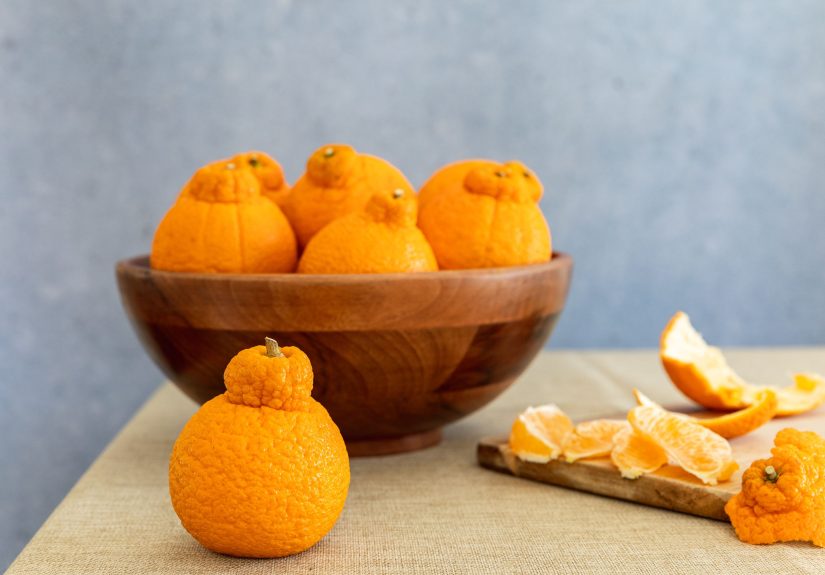
mandarin-type citrus hybrid bred for sweetness, size, and that signature “topknot” bump near the stem.
In practical terms, a Sumo orange is a supersized mandarin that eats like a dessert-orange: soft, juicy segments; low fuss; and
a peel that comes off with a satisfying “zip” instead of a wrestling match. The rind is thick and bumpy (don’t judge itit’s not
here to win a beauty pageant), and the fruit is usually larger than clementines, tangerines, and even many navels.
Why They Taste So Ridiculously Good
If Sumo oranges had a mission statement, it would be: “Make winter less annoying.” The flavor leans bright and sweet with gentle
acidityenough tang to keep it interesting, not enough to make you squint like you just licked a battery.
A sweetness strategy (that isn’t just luck)
Part of the Sumo appeal is consistency. These oranges are often handled with strict quality standards, and the fruit is commonly
associated with careful post-harvest curing/resting practices that help mellow acidity and deepen sweetness. In other words,
they’re not rushed. Your taste buds can tell.
Easy-peel, low-mess, high-reward
The thick rind is a feature, not a flaw. It’s what makes the fruit easier to peel cleanlyless sticky spray, fewer torn nails,
and far less “why is the pith glued to the universe” frustration. For snackers, commuters, and parents trying to feed small humans
something besides crackers shaped like dinosaurs, that peel matters.
Seasonality: When to Buy (and Why You Shouldn’t Wait)
Sumo oranges are famously seasonal in the U.S., typically appearing in stores during the heart of winter into early springoften
from January through April. That short window is a big reason they feel special (and why fans talk about them like a limited-edition sneaker drop).
You’ll spot them at major grocers and specialty markets, and they often pop up in buzzy places where seasonal produce becomes a minor celebrity.
If you see them looking fresh and heavy, don’t “circle back later.” Later is how you end up staring at an empty citrus display,
whispering, “We had something beautiful.”
How to Pick the Best Sumo Oranges Like a Pro
Choosing a great Sumo orange is less about perfection and more about promise. Here’s what to look for:
- Heft: Pick one that feels heavy for its size. Weight usually signals juicy flesh.
- Skin: Bumpy is normal. You want intact rind without soft, wet spots or deep bruising.
- Aroma: A gentle citrus fragrance near the stem is a good sign the fruit is flavorful.
- Firmness: Slight give is fine. Avoid anything that feels squishy or collapses under light pressure.
One myth worth retiring: the “topknot” bump isn’t a defect. It’s part of the variety’s signature look. If anything, it’s the fruit
waving at you from the bin like, “Hi. I’m the one you’ll think about later.”
Storage Tips: Keep Them Sweet, Not Sad
Citrus is sturdy, but it’s not immortal. If you want your Sumo oranges to stay at their best:
Short-term: counter is fine
If you’ll eat them within a few days, a cool spot on the counter works. Keep them out of direct sunlight and away from heat sources.
(Yes, the top of the fridge counts as a heat source. It’s basically a sauna with magnets.)
Longer-term: use the crisper drawer
For longer storage, refrigeration helps. Use the crisper drawer, and give the fruit some airflow. If they come in a plastic bag,
consider transferring them to something breathable (like a mesh bag) so moisture doesn’t get trapped and invite mold to the party.
Nutrition and Health Perks: Sweet Can Be Smart
Sumo oranges are a treat that also happens to bring real nutrition to the tableespecially if you eat the whole fruit and not just
drink the juice. Like other mandarins and oranges, they contribute vitamin C, fiber, and beneficial plant compounds (like flavonoids).
What that means in real life
- Vitamin C: Supports immune function and helps your body absorb iron from plant foods.
- Fiber: Helps support digestion and keeps snacks more satisfying than “sugar in a trench coat.”
- Potassium + antioxidants: Citrus naturally contains compounds associated with heart and overall health support.
A quick reality check (because your teeth deserve rights): citrus is acidic. Enjoy it, but don’t brush immediately after eating if your
enamel is sensitiverinsing with water is a gentler move.
Why Are Sumo Oranges More Expensive?
The price tag can cause a tiny gaspespecially if you’re used to bargain-bag clementines. But Sumo oranges often cost more for a few reasons:
- Short season: Limited availability makes demand feel urgent (because it is).
- Labor-intensive handling: Premium citrus is often carefully harvested, sorted, and packed to prevent bruising.
- Strict standards: Only fruit that meets sweetness/quality benchmarks typically earns the marketed label.
- Consistency tax: You’re paying for “this is reliably good,” not “this might be great or might taste like wet cardboard.”
Think of it as the “designer produce” effect: when flavor becomes the product, the supply chain treats it like something worth protecting.
Not every orange gets the velvet rope. Sumo oranges often do.
How to Eat Sumo Oranges Beyond “Standing Over the Sink”
Don’t get me wrongstanding over the sink is a classic. But Sumo oranges can do more than snack duty.
Their sweetness and juiciness make them versatile in both sweet and savory recipes.
Sweet ideas
- Citrus parfait: Layer segments with Greek yogurt, granola, and a drizzle of honey.
- Simple dessert upgrade: Segment fruit, add a pinch of flaky salt, and finish with dark chocolate shavings.
- Bright baking: Use zest in muffins, quick breads, or cookies for a fragrant citrus kick.
Savory ideas
- Winter salad: Arugula + avocado + toasted nuts + Sumo segments + a sharp vinaigrette.
- Glaze: Reduce juice with a touch of honey and chili flakes for a sticky glaze on chicken, tofu, or roasted carrots.
- Salsa twist: Dice segments with jalapeño, cilantro, and red onion for a citrusy topping.
Sumo vs. Other Citrus: What Makes It Different?
It helps to know where Sumo oranges fit in the citrus lineup, especially if you’re choosing between a few great options:
- Vs. navel oranges: Navels are classic and easy to find, but Sumos often feel sweeter and easier to peel.
- Vs. clementines: Clementines are small and convenient; Sumos are bigger, often juicier, and more “dessert-like.”
- Vs. satsumas: Satsumas are delicate and soft; Sumos are chunkier, with a thicker rind and bold sweetness.
If you want a daily lunchbox citrus, clementines might win on price. If you want a “this is the best fruit in the room” moment,
Sumos show up wearing a cape.
Quick FAQ
Are Sumo oranges actually seedless?
They’re typically marketed as naturally seedless, which means you usually won’t find seeds. Nature can occasionally surprise you,
but seeds are not the expected experience.
Why is the peel so thick?
The thick rind helps protect the fruit and makes peeling easier. It’s basically built-in packaginglike a winter coat you’re happy to remove indoors.
Do I need to refrigerate them?
Not immediately. If you’ll eat them soon, keep them in a cool spot. If you want them to last longer, the fridge crisper drawer is your friend.
Conclusion: Your Winter Citrus Upgrade
Sumo oranges hit the sweet spotliterally. They’re seasonal enough to feel special, consistent enough to justify the hype, and easy enough to peel
that you can actually eat them anywhere without turning into a sticky-handed cartoon character. If you see them in season, grab a few.
Worst case: you eat delicious fruit. Best case: you become one of those people who texts friends, “SUMOS ARE BACK,” like it’s breaking news.
Real-World Sumo Orange Moments (Yes, It’s a Thing)
If you’ve never experienced the “Sumo season brain switch,” it usually happens like this: you walk into the store on a winter afternoon,
half convinced the produce aisle has nothing left to offer besides polite apples and slightly judgmental kale. Then you see a bin of giant,
bumpy oranges with little stickers, and suddenly your cart has a new personality.
The first moment is always the peel. People expect effort because the fruit looks ruggedlike it just got back from a hiking trip.
But you find a starting point with your thumb, pull, and the rind comes off in big, confident pieces. It’s oddly satisfying, like removing
a perfectly fitted phone case, except you get snacks instead of fingerprints.
Then comes the “I should share this” phase. Someone in your house hears the peel crackle and wanders in. A roommate appears. A partner asks,
“Is that one of those fancy oranges?” A kid materializes like a tiny fruit detective. And because the segments are usually generous and easy to separate,
you end up doing a casual citrus sampling session right there in the kitchenno plates, no drama, just bright wedges disappearing at an alarming rate.
Sumos also have a weirdly specific talent for improving workdays. Bring one to the office, and it becomes the anti-3 p.m. slump.
You peel it at your desk, and the citrus aroma basically announces, “We are trying today.” Coworkers glance over like they’ve detected happiness
in the building. You offer a segment, and now you’re doing team-building without a single trust fall.
At home, they’re a cooking shortcut disguised as fruit. A few segments tossed into a salad instantly make it feel intentional.
A squeeze of juice over roasted vegetables adds brightness like you planned it all along. Zest stirred into yogurt or oatmeal tastes like
you woke up early and journaledwhether you did or not. And if you’re the type to host, putting a bowl of Sumos on the counter is an instant
“I have my life together” decoration that people can also eat.
The funniest part is how quickly you become seasonal. Once you’ve had a truly good Sumo, regular citrus can feel like it’s phoning it in for a while.
You might still buy clementines (loyal and convenient), but you’ll also find yourself scanning produce displays like a treasure hunter:
“Any Sumos today?” And when the season ends, you’ll swear you’re fineuntil next January, when the first sighting triggers the annual ritual:
buy a few, peel one in the car (carefully), and remember that winter has at least one genuinely excellent perk.