Table of Contents >> Show >> Hide
- Why this simple beef curry works (even on a Tuesday)
- Key ingredients and smart swaps
- Ingredients
- Step-by-step: how to make simple beef curry
- How to cook rice that’s fluffy (not gluey)
- Serving ideas that make it feel like a full meal
- Variations (because dinner should bend to your life)
- Troubleshooting (save dinner before it needs therapy)
- Storage and reheating
- FAQ
- Kitchen Experiences & Lessons Learned (about )
If your weeknight brain is running on 2% battery but your taste buds still want a warm, cozy hug,
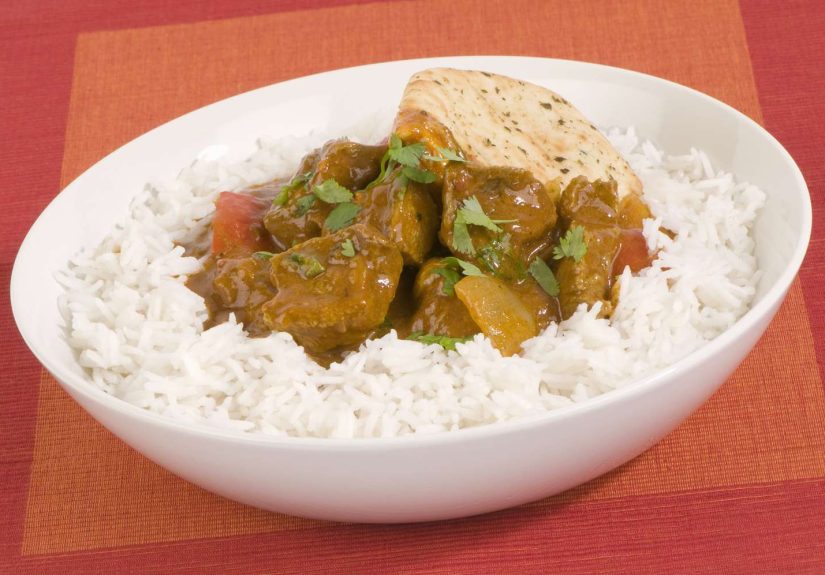
this simple beef curry with rice is the move. It’s one pot of savory, spiced beef curry
(no scavenger hunt for 37 specialty ingredients) and one pot of fluffy rice that doesn’t clump into
a single, tragic “rice cake.”
This recipe is designed for real kitchens: pantry spices, flexible ingredients, and straightforward steps.
The flavor still feels like it’s been simmering since sunriseeven if you started at 6:12 p.m. and
you’re suspiciously hungry at 6:13 p.m.
Why this simple beef curry works (even on a Tuesday)
- Layered flavor without drama: Brown the beef, soften the onions, bloom the spices. That’s the whole “chef secret.”
- One-pot friendly: The curry simmers in a single Dutch oven or deep skillet.
- Customizable heat: Keep it mild for kids (or sensitive tongues) or crank it up with chili.
- Rice you can trust: Clear ratios, proper resting, and a fluff-it-like-you-mean-it finish.
- Meal-prep hero: Curry often tastes better the next daylike it went to finishing school overnight.
Key ingredients and smart swaps
Choosing the beef
For tender, spoonable curry, use beef chuck (aka chuck roast) or well-marbled stew meat.
Lean cuts can work, but they’re more likely to turn dry and chewy unless you simmer gently and long enough.
If you need speed, a ground beef variation is included below.
Curry flavor without a spice cabinet PhD
“Curry powder” is a blend, so brands vary. To keep things simple and delicious:
use curry powder as the main flavor, then back it up with a little cumin and smoked paprika (optional),
and finish with something bright (lime) and something creamy (coconut milk or yogurt).
Ingredients
For the beef curry (serves 4)
- 1 1/2 pounds beef chuck, cut into 1-inch cubes (or stew meat)
- 1 1/2 teaspoons kosher salt, divided (plus more to taste)
- 1/2 teaspoon black pepper
- 2 tablespoons neutral oil (avocado, canola, or vegetable)
- 1 large yellow onion, thinly sliced or diced
- 3–4 garlic cloves, minced
- 1 tablespoon fresh ginger, grated (or 1 1/2 teaspoons ground ginger in a pinch)
- 2 tablespoons curry powder
- 1 teaspoon ground cumin (optional but helpful)
- 1/2 teaspoon turmeric (optional for color and warmth)
- 1 tablespoon tomato paste
- 1 (14.5-ounce) can diced tomatoes (or crushed tomatoes)
- 1 1/2 cups beef broth (or water + 1 beef bouillon cube)
- 1 tablespoon brown sugar or honey (optional; balances acidity)
- 1 bay leaf
- 1 cup potatoes, diced (optional)
- 1 cup carrots, sliced (optional)
- 1/2 to 3/4 cup coconut milk (or 1/2 cup plain yogurt, off heat)
- 1–2 teaspoons lime juice (or lemon juice)
- Optional finish: chopped cilantro, sliced scallions, crushed red pepper, or a pinch of garam masala
For the rice
- 1 1/2 cups basmati or jasmine rice
- Water (ratio options below)
- Pinch of salt
- Optional: 1 teaspoon butter or oil
Step-by-step: how to make simple beef curry
1) Brown the beef (this is where the flavor lives)
Pat the beef dry (paper towels are your friend here). Season with 1 teaspoon salt and the pepper.
Heat oil in a Dutch oven or deep skillet over medium-high heat. Add beef in a single layer (work in batches if needed).
Brown 3–4 minutes per side until deeply browned.
Why it matters: Browning builds savory depth. Skipping it is legal, but the flavor will be
like a movie with the sound turned down.
2) Soften the onions into sweetness
Reduce heat to medium. Add the onion to the pot with a pinch of salt. Cook 6–10 minutes, stirring often,
until softened and lightly golden. Add garlic and ginger; cook 30–60 seconds until fragrant.
3) Bloom the spices (wake them up)
Add curry powder, cumin, and turmeric. Stir constantly for 60–90 seconds.
If the pot looks dry, add a splash of broth to keep the spices from scorching.
4) Build the sauce
Stir in tomato paste and cook 1 minute. Add diced tomatoes, broth, brown sugar (if using), and bay leaf.
Scrape up any browned bits stuck to the bottom. Those bits are deliciousdon’t leave them behind like
they’re awkward party guests.
5) Simmer until tender
Return the beef to the pot. Bring to a gentle simmer, then reduce heat to low. Cover and cook 45–70 minutes,
stirring occasionally, until the beef is tender.
If using potatoes and carrots, add them during the last 25–30 minutes so they don’t dissolve into curry paste
(unless that’s your plan; no judgment).
6) Finish with creaminess and brightness
Stir in coconut milk and simmer 3–5 minutes to combine. Turn off heat and add lime juice.
Taste and adjust salt. If you want more warmth, add a pinch of garam masala or crushed red pepper.
If using yogurt: Turn off heat first, then stir in yogurt to avoid curdling.
How to cook rice that’s fluffy (not gluey)
Option A: Stovetop basmati rice (reliable, classic)
- Rinse rice until the water runs mostly clear. Drain well.
- In a pot with a tight lid, combine 1 1/2 cups rice, 2 1/4 cups water, and a pinch of salt.
- Bring to a boil, stir once, then reduce heat to low and cover.
- Cook 12–15 minutes. Turn off heat and rest (still covered) 10 minutes.
- Fluff with a fork. Optional: stir in 1 teaspoon butter or oil.
Rice pro-tip: Resting matters. It lets steam finish the job and prevents wet, clumpy rice.
Option B: Stovetop jasmine rice (quick and fragrant)
- Rinse and drain.
- Combine 1 1/2 cups jasmine rice with 2 1/4 cups water and a pinch of salt.
- Bring to a boil, cover, reduce heat to low, and cook 10–12 minutes.
- Rest 5 minutes, then fluff.
Option C: Rice cooker (set it and forget it)
Rinse rice, add water based on your cooker markings, add a pinch of salt, and cook.
Let it sit on “warm” 10 minutes, then fluff.
Option D: Oven rice (hands-off and forgiving)
If you like “I refuse to babysit a pot” energy, oven rice is great. Bring water to a boil in an ovenproof pot,
add rice and salt, cover tightly, and bake until tender. Rest, then fluff.
Serving ideas that make it feel like a full meal
- Fresh crunch: cucumber slices with a pinch of salt and lime
- Creamy cool-down: plain yogurt with chopped mint or cilantro
- Bright garnish: cilantro, scallions, or a squeeze of lime
- Optional carbs: warm naan or pita for sauce-cleanup duties
Variations (because dinner should bend to your life)
1) Faster ground beef curry (20–25 minutes)
Swap cubed beef for 1 pound ground beef. Brown it, then proceed with onions, garlic, ginger, spices, tomatoes,
and broth. Simmer 10 minutes, finish with coconut milk and lime. Weeknight win.
2) Japanese-style shortcut curry (cozy, mild, kid-friendly)
Want the nostalgic “curry rice” vibe? Use a Japanese curry roux block or boxed mix, plus onions and
classic veggies like potatoes and carrots. It’s mellow, thick, and ridiculously comforting.
3) Extra-veg version
Add bell peppers, spinach, peas, or chickpeas near the end. If you’re adding leafy greens,
stir them in during the last 2–3 minutes to keep them bright.
Troubleshooting (save dinner before it needs therapy)
My curry tastes flat
- Add salt (seriously, a little more than you think).
- Add acid: a bit more lime/lemon.
- Add warmth: a pinch of garam masala or extra curry powder bloomed in a teaspoon of oil.
My curry is too thin
- Simmer uncovered 8–12 minutes to reduce.
- Mash a few potato cubes (if using) and stir back in.
- Use a quick slurry: 1 teaspoon cornstarch + 1 tablespoon water, then simmer 2 minutes.
My curry is too thick
Add a splash of broth or water until it loosens up. Taste and re-season.
Storage and reheating
Cool leftovers quickly and store curry and rice in airtight containers.
For best quality (and general food safety guidance), aim to eat refrigerated leftovers within
about 3–4 days. Reheat until piping hot; for rice, add a teaspoon of water and cover while reheating
to help it steam back to fluffy.
Freezer tip: Curry freezes well. Freeze in portions for up to a few months, then thaw overnight
in the fridge and reheat gently. Rice can also be frozen in flat portions for quick future dinners.
FAQ
Can I make this in a slow cooker?
Yes. Brown the beef and onions (for better flavor), then transfer everything (except coconut milk/lime)
to a slow cooker. Cook on LOW 7–8 hours or HIGH 4–5 hours. Stir in coconut milk and lime at the end.
How spicy is this beef curry with rice?
As written, it’s mild-to-medium (depending on your curry powder). If you want more heat, add crushed red pepper,
cayenne, or a chopped jalapeño with the onions.
What’s the best rice for curry?
Basmati is fragrant and fluffy. Jasmine is softer and slightly sticky. Both are greatchoose your vibe.
If you want maximum sauce absorption, jasmine is your best friend.
Kitchen Experiences & Lessons Learned (about )
Making a simple beef curry with rice is one of those cooking experiences that starts out feeling “basic”
and ends up teaching you a few sneaky kitchen life lessonsmostly about patience, heat, and the fact that onions
are secretly doing the most.
The first “aha” moment usually happens at the browning stage. You drop in the beef and immediately want to stir,
because humans love control and also the sound of sizzling is exciting. But letting the beef sit long enough to
get truly browned is like letting a joke land before you explain it: awkward for a second, then suddenly perfect.
That browned crust becomes the backbone of the sauce. When you later add broth and scrape the pot, it’s like
finding money in a jacket pocketexcept the money is flavor and you can eat it.
Then there’s the onion phase. People underestimate onions because they’re always around, like that friend who’s
quietly helpful and never asks for credit. In curry, onions aren’t just “an ingredient.” They’re a mood.
Cook them until they soften and turn a little golden, and the whole curry becomes rounder, sweeter, and more
balanced. Rush them and the curry can taste sharp, like it’s trying to pick a fight with your tongue.
Blooming the spices is another mini-experience worth noticing. When curry powder hits warm oil and you stir for
a minute, the kitchen smells like you just leveled upeven if you’re wearing sweatpants and using a spoon you
probably should have washed earlier. This is also where you learn the difference between “toasty and fragrant”
and “burnt and regretful.” If the spices smell harsh or look too dark, add a splash of broth and lower the heat.
Curry is forgiving, but it prefers you don’t treat it like a stress test.
Rice teaches its own lesson: don’t mess with it. Once it’s simmering, resist the urge to peek, stir, or
“just check.” The steam needs to stay trapped, doing its quiet, steamy job. The real victory lap is the resting
time. Let it sit, covered, and the grains firm up and separate. Skip the rest and you’ll wonder why the rice is
either wet or oddly crunchy, like it can’t decide what it wants to be when it grows up.
Finally, leftovers are where this meal becomes an experience in planning (or accidental genius).
Curry often tastes deeper the next day because the spices and aromatics have time to mingle. It’s the culinary
equivalent of a group chat that finally agrees on dinner plans. Reheat it gently, add a squeeze of lime, and
it tastes like you tried harder than you actually did. And honestly, that’s the energy we all deserve on a
busy weeknight.