Table of Contents >> Show >> Hide
- What Is Simple Picture Frame Wainscoting?
- Why It Works So Well in a Guest Room
- Best Layout Ideas for Simple Picture Frame Wainscoting
- How High Should Wainscoting Be?
- Materials That Keep the Project Simple
- How to Plan the Layout Before You Cut Anything
- Installation Basics Without the Drama
- The Best Paint Colors for a Guest Room with Wainscoting
- Styling the Finished Room
- Mistakes to Avoid
- Is It Worth It?
- Real-Life Experiences with Simple Picture Frame Wainscoting in a Guest Room
- Conclusion
A guest room has one job: make people feel welcome without looking like you panic-decorated it five minutes before they arrived. That is exactly why simple picture frame wainscoting works so well. It adds character, depth, and a custom look without demanding a full-scale renovation, a trust fund, or the patience of a saint. In a space that is supposed to feel warm, tidy, and a little bit special, picture frame molding hits the sweet spot between elegant and achievable.
If you have ever looked at a plain guest room wall and thought, “You seem nice, but you also look like drywall wearing sweatpants,” this upgrade is your answer. Simple picture frame wainscoting turns flat walls into tailored surfaces. It creates clean lines, introduces a little architectural charm, and gives even builder-grade rooms a more intentional feel. Best of all, it can work with traditional, coastal, cottage, transitional, and even modern interiors when the trim profile and paint color are chosen carefully.
What Is Simple Picture Frame Wainscoting?
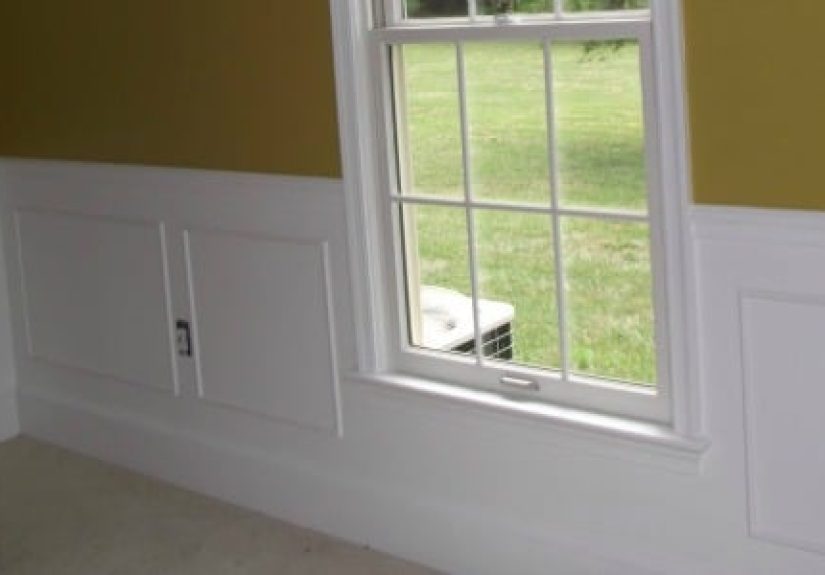
Picture frame wainscoting is a wall treatment made by attaching trim in rectangular or square shapes to create the look of framed panels. Unlike heavy raised panel systems, the simple version uses applied molding over drywall or smooth walls. That means you get the visual effect of classic millwork without rebuilding the room from scratch.
In a guest room, this style is especially useful because it brings charm without stealing space. There are no bulky shelves, no giant accent features fighting with the bed, and no dramatic design choice that makes visitors feel like they are sleeping inside a trend experiment. It is subtle. It is polished. It whispers “boutique stay” instead of yelling “look what I saw on social media at 1 a.m.”
Why It Works So Well in a Guest Room
Guest rooms benefit from details that feel thoughtful but calm. That is the magic of picture frame wainscoting. It adds texture without clutter, interest without noise, and style without making the room feel smaller. Because the trim usually sits on the lower portion of the wall or spans a full accent wall in evenly spaced panels, the look feels organized and restful.
That order matters. Guests tend to respond well to rooms that feel balanced and easy to understand. A neatly framed wall behind the bed, along the perimeter of the room, or on a single focal wall creates a sense of rhythm. It also makes simple bedding, basic lamps, and affordable furniture look more expensive. That is not magic. That is just smart visual framing.
Top Benefits for a Guest Space
- Makes a plain room look custom and finished
- Pairs well with neutral paint, soft blues, warm whites, and muted greens
- Helps a guest room feel cozy without becoming dark or crowded
- Works beautifully behind a bed, around a reading nook, or on all four walls
- Can be done on a moderate budget with MDF or pre-primed trim
Best Layout Ideas for Simple Picture Frame Wainscoting
The layout you choose will shape the whole mood of the room. Fortunately, simple picture frame molding is flexible. You can make it classic, modern, airy, or slightly more formal depending on the size of the panels and where you place them.
1. Lower-Half Wainscoting Around the Room
This is the timeless option. Install a top rail around the lower third of the room and add evenly spaced frames beneath it. It looks tailored, helps anchor the furniture, and gives the room a quiet sense of structure. This layout is ideal for guest rooms with standard 8-foot or 9-foot ceilings because it adds detail without overwhelming the walls.
2. Full Accent Wall Behind the Bed
If you want more drama but still want to keep the project simple, create a picture frame molding feature wall behind the guest bed. This makes the bed feel grounded and gives the room a focal point without needing an oversized headboard or busy wallpaper. In smaller guest bedrooms, one wall is often enough to transform the whole space.
3. Minimal Grid for a Clean Modern Look
For a more updated style, use larger rectangles with wider spacing and flatter trim. The result feels cleaner and less ornate. This works especially well in guest rooms with modern bedding, black hardware, or simple wood furniture.
4. Traditional Panels with a Chair-Rail Feel
If your home leans classic, cottage, colonial, or transitional, smaller repeated frames can create a more formal look. Pair them with warm white paint, brass lighting, and layered bedding for a guest room that feels quietly polished.
How High Should Wainscoting Be?
A good rule of thumb is to keep wainscoting around the lower third of the wall, though design style and ceiling height can shift the exact measurement. In many guest rooms, that lands in a sweet spot that feels balanced rather than awkward. Too short, and it can look accidental. Too tall, and the room may start to feel chopped up, especially if the ceiling is not very high.
If your guest room has an 8-foot ceiling, a simple picture frame wainscoting height around the low-to-mid 30-inch range often looks comfortable. If the room has 9-foot ceilings, going a little taller can feel more proportional. The key is not to obsess over a single magic number. Look at the windows, bed height, nightstands, and overall scale of the room. Wainscoting should relate to the architecture, not pick a fight with it.
Materials That Keep the Project Simple
If you want this project to stay firmly in the category of “smart DIY” and avoid sliding into “why is there sawdust in my coffee,” choose materials that are easy to cut, paint, and install.
Common Material Options
- MDF molding: budget-friendly, smooth, paintable, and easy for many interior projects
- Pre-primed trim: great for speeding up the finishing process
- Solid wood trim: durable and traditional, but often pricier
- Preassembled panels: useful if you want the look faster with less layout stress
For most guest rooms, smooth pre-primed MDF or similar paint-grade trim is more than enough. Since the room is not a high-impact zone like a mudroom or hallway corner derby track, you can prioritize ease and finish over ruggedness.
How to Plan the Layout Before You Cut Anything
This is the part where patience pays off. Simple picture frame wainscoting looks expensive when the spacing is even and the panels feel intentional. It looks odd when one box is mysteriously skinny because the installer got a little too optimistic with the tape measure.
Planning Tips
- Measure each wall carefully and note outlets, vents, windows, and switches.
- Choose a consistent space between frames, usually a few inches, and keep it uniform.
- Sketch the layout before buying trim.
- Use painter’s tape on the wall to test panel sizes.
- Start from the visual center of the wall so the layout feels balanced.
- Check that panels line up pleasingly with furniture like the bed or dresser.
Painter’s tape is the unsung hero here. It lets you preview the whole look before you cut a single piece. In a guest room, that is especially helpful because you can see whether the molding will sit neatly behind the bed, clear the lamps, and align with the room’s proportions.
Installation Basics Without the Drama
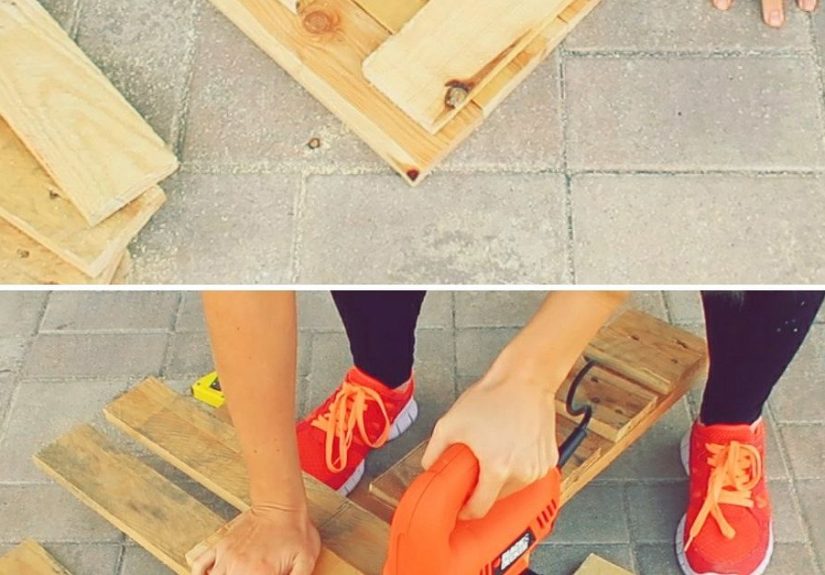
You do not need a castle, a workshop, or a mysterious British butler named Nigel to install picture frame molding. You do need a plan, a level, a miter saw or miter box, construction adhesive, caulk, wood filler, and a little willingness to measure twice like a responsible adult.
Basic Steps
- Remove or work around existing trim if needed.
- Patch and smooth the wall surface.
- Mark studs and establish your height line.
- Install any horizontal rail first if your design includes one.
- Cut molding pieces to fit each panel.
- Dry-fit the pieces on the floor before attaching them.
- Apply adhesive and secure the trim.
- Fill nail holes, caulk seams, sand lightly, prime where needed, and paint.
The finish work matters more than people think. Caulk is what turns separate pieces of trim into a built-in look. Paint is what makes the wall treatment feel intentional instead of like a geometry assignment attached to drywall.
The Best Paint Colors for a Guest Room with Wainscoting
Paint can take simple picture frame wainscoting in several directions. A tone-on-tone look, where the wall and molding are painted the same color, feels soft, modern, and a little luxurious. Crisp white trim against a gentle neutral wall feels classic and airy. Deep color on both the wall and molding can make the guest room feel cocoon-like and upscale.
Color Ideas That Work Beautifully
- Warm white for a clean, welcoming look
- Soft greige for a quiet upscale finish
- Muted sage for a relaxed guest retreat
- Dusty blue for a calm, tailored atmosphere
- Charcoal or deep taupe for a dramatic accent wall behind the bed
If your guest room is small, lighter shades help keep the room open and restful. If it gets lots of natural light, medium tones can add depth without making the space feel heavy. In many cases, the safest route is also the prettiest: soft, welcoming neutrals that flatter bedding, wood tones, and whatever overnight bag your guests drag in with them.
Styling the Finished Room
Once the molding is in, do not immediately cover every inch with art. Let the trim breathe. One of the best things about picture frame wainscoting is that it already counts as wall decor. In a guest room, restraint usually wins.
What Looks Great with This Wall Treatment
- Simple upholstered or wood headboards
- Layered white bedding with one accent color
- Matching sconces or small table lamps
- A bench, woven chair, or compact reading nook
- One large artwork piece instead of a busy gallery wall
- Soft curtains that fall just above the molding line or flow past it cleanly
If you do want art, center it thoughtfully. The trim should frame the room, not wrestle with the artwork for attention. Think edited, not crowded.
Mistakes to Avoid
- Using panel sizes that are too tiny for the wall
- Letting spacing vary from one panel to the next
- Ignoring outlets and vents until the last minute
- Choosing trim that is too ornate for the rest of the room
- Skipping caulk and filler, which leaves the project looking unfinished
- Adding too much additional decor after the molding is installed
The goal is simple picture frame wainscoting, not trim Olympics. Keep the profile modest, the layout clean, and the styling calm. Your guest room will thank you, and so will everyone who stays there.
Is It Worth It?
Absolutely. If your guest room feels plain, a little cold, or not quite finished, simple picture frame wainscoting is one of the best upgrades you can make. It gives the room personality without sacrificing flexibility. You can still change bedding, lamps, rugs, and art later, but the walls will already have the kind of quiet character that makes the whole room feel complete.
It is also one of those rare projects that looks expensive, photographs beautifully, and can be scaled up or down depending on budget. Want a fully wrapped room with classic lower-wall panels? Go for it. Want one elegant feature wall behind the bed and call it a day? Also a great idea. Either way, the guest room ends up looking more intentional, more welcoming, and far more memorable than a blank wall ever could.
Real-Life Experiences with Simple Picture Frame Wainscoting in a Guest Room
One of the most interesting things about simple picture frame wainscoting is how often homeowners say the room feels different long before they even finish decorating it. The minute the trim goes up, the guest room usually stops feeling like a spare room and starts feeling like an actual destination. That change is not just visual. It changes the whole experience of being in the space.
People often notice that the room feels calmer. A plain wall can sometimes make a guest room seem unfinished, almost temporary, as if the space is still waiting for a decision. Once the molding is installed, the room feels grounded. Even with basic furniture, a standard bed frame, and simple white bedding, the walls give the impression that someone planned the room with care. Guests may not walk in and say, “Ah yes, lovely trim proportions,” but they do tend to say the room feels cozy, elegant, or pulled together. That is the real win.
Another common experience is that decorating becomes easier afterward. Before wainscoting, homeowners often overcompensate with more stuff: extra art, louder bedding, fussy accent pillows, or dramatic paint colors. Afterward, many realize they can actually use less. The molding brings so much built-in interest that the room no longer needs to perform circus tricks to feel finished. A soft quilt, a lamp, a mirror, and one good bedside table suddenly seem like enough. That is both a style benefit and a budget benefit, which is a rare and beautiful combination.
There is also the practical experience of how guests react. In many homes, the guest room is where visitors first notice design details because they have a quiet moment to look around. A wall with picture frame molding often creates that subtle “wow” moment. It does not scream for attention, but it does suggest comfort and care. Guests tend to interpret the room as more welcoming because the details feel considered. That can make overnight visitors feel less like they are borrowing leftover space and more like they have been given a room prepared just for them.
Homeowners also report that the room photographs better. If you ever share your home online, list a property, or simply like seeing a pretty before-and-after, wainscoting earns its keep. It gives the wall depth, catches light in a flattering way, and makes even modest rooms look more layered. In person, that depth reads as warmth. In photos, it reads as quality.
Perhaps the most satisfying experience is the sense that the room keeps working over time. Trends change. Bedding changes. Paint colors change. But simple picture frame wainscoting tends to stay relevant because it is rooted in classic architectural detail. It can lean traditional one year and feel fresh and modern the next, depending on how you style it. That kind of flexibility is exactly what a guest room needs. After all, the best guest rooms are not just pretty for a season. They stay ready, welcoming, and quietly impressive year after year.
Conclusion
Simple picture frame wainscoting is one of the smartest ways to elevate a guest room without making the project feel complicated or overly expensive. It brings order to blank walls, adds character that feels custom, and helps the entire room feel more welcoming. Whether you choose a lower-wall treatment around the room or a full feature wall behind the bed, the result is a guest space that looks polished, thoughtful, and far more memorable than plain painted drywall. In other words, it is a small architectural move with very big hospitality energy.