Table of Contents >> Show >> Hide
- Start here: When chest pain is an emergency
- Why pain shows up at night or first thing in the morning
- Digestive causes (common, often worse when lying down)
- Heart-related causes (take seriously)
- Lung-related causes (often sharp and worse with breathing)
- Muscles, joints, and the chest wall (surprisingly common)
- Stress, anxiety, and sleep-related causes
- How clinicians figure out what’s going on
- What to do if you wake up with chest pain
- Preventing wake-up chest pain (depending on the cause)
- Quick FAQ
- Experiences that make the pattern clearer (about )
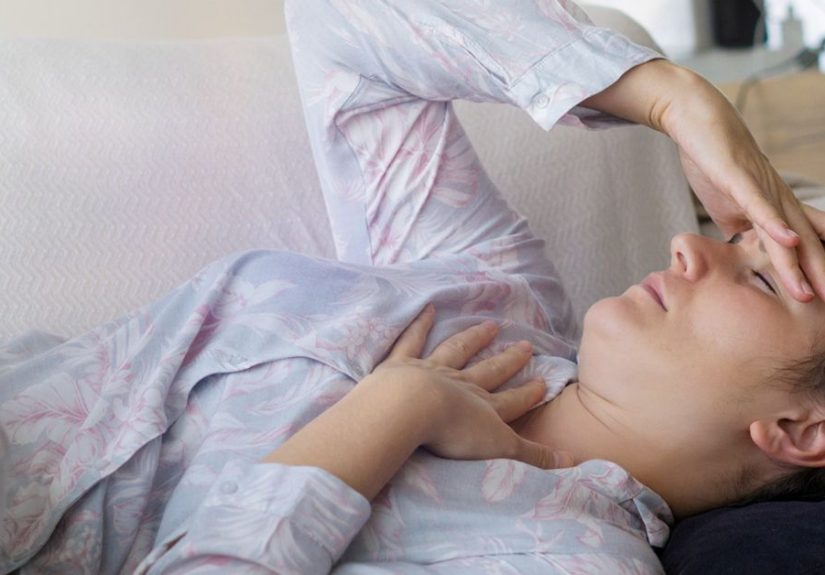
Waking up with chest pain is a uniquely rude way for your body to say, “Good morning.” One minute you’re dreaming about acing a test or winning a game,
and the next you’re awake, staring at the ceiling, wondering if your chest is trying to start a group chat without you.
Here’s the tricky part: chest pain can be caused by many thingssome annoying but harmless (hello, heartburn), and some that need urgent medical care.
This article breaks down common possibilities, why symptoms can show up at night or first thing in the morning, how clinicians sort it out,
and what details matter if you talk to a healthcare professional.
Important: Chest pain can be a medical emergency. If you’re unsure, it’s safer to get checked right away.
Start here: When chest pain is an emergency
Not every twinge is a crisis, but certain patterns should trigger immediate action. In the U.S., call 911.
Elsewhere, call your local emergency number.
Call emergency services now if chest pain is:
- Severe, crushing, squeezing, or pressure-likeespecially if it lasts more than a few minutes
- Paired with shortness of breath, fainting, confusion, or extreme weakness
- Accompanied by cold sweat, nausea/vomiting, or a sense that something is seriously wrong
- Radiating to the arm, shoulder, back, neck, or jaw
- New or unusual for youespecially if you have heart risk factors (or a strong family history)
- Associated with coughing up blood, or sudden sharp pain with rapid breathing (possible lung clot)
It’s completely possible to be young and still need urgent evaluation. Also: heart-related symptoms don’t always look “textbook.”
If your instincts are yelling, listen.
Why pain shows up at night or first thing in the morning
“Why now?” is a fair question. Sleep changes your body’s usual settings:
- Position matters. Lying flat can make reflux easier and can change how your chest wall and spine feel after hours in one posture.
-
Breathing patterns change. Some people breathe more shallowly during sleep, or they have sleep-disordered breathing
(like obstructive sleep apnea), which can stress the body overnight. - Stress hormones surge. The early-morning rise in hormones can affect heart rate, blood pressure, and anxiety symptoms.
- Night is quiet. During the day you’re distracted; at 3:17 a.m., your brain can detect every sensation and add dramatic music.
Digestive causes (common, often worse when lying down)
Digestive issues are a frequent reason people wake up with chest discomfort. It can feel surprisingly intensebecause the esophagus runs right through the chest.
1) Acid reflux / GERD (heartburn that doesn’t feel “heart-y” at all)
Gastroesophageal reflux disease (GERD) happens when stomach acid irritates the esophagus. Classic heartburn feels like burning behind the breastbone,
and it’s often worse after eating, at night, or when lying down. Some people don’t feel “burning” as much as pressure, tightness, or pain that mimics heart symptoms.
Clues it might be reflux:
- Burning sensation or sour taste, especially after late meals
- Symptoms improve when you sit up
- More likely after spicy/fatty foods, chocolate, peppermint, caffeine, or carbonated drinks
- Hoarseness, chronic cough, or throat irritation (sometimes)
Example: Someone eats pizza at 10 p.m., falls asleep flat, and wakes up at 2 a.m. with chest burning and a throat that tastes like regret.
Annoying? Yes. Automatically dangerous? Not always. But new or severe symptoms still deserve medical attention.
2) Esophageal spasm or esophageal hypersensitivity
The esophagus is muscular. If it spasmsor becomes extra sensitivepain can feel sharp or squeezing and may come in waves.
Some people notice it with reflux, stress, very hot/cold drinks, or seemingly out of nowhere.
3) “Not technically chest, but it shows up there” upper abdominal issues
Gallbladder problems or stomach inflammation can sometimes send pain upward. While these may not be the most common “wake-up chest pain” causes,
they’re on the list when symptoms include upper-abdominal discomfort, nausea, or pain after certain meals.
Heart-related causes (take seriously)
Heart-related chest pain is less common in teens and young adults than in older adultsbut it’s not impossible.
And because the consequences can be serious, clinicians treat it with caution.
1) Angina (reduced blood flow to heart muscle)
Angina is chest discomfort from the heart not getting enough oxygen-rich blood. It can feel like pressure, squeezing, heaviness,
or a tight band across the chest, and it can spread to the arm, neck, jaw, or back.
Some forms can occur at rest or during sleep. For example, vasospastic (variant) angina involves spasms of coronary arteries
and may happen overnight or in the early morning hours. Unstable angina is more concerning and can be a warning sign of an impending heart attack.
2) Heart attack / acute coronary syndrome
A heart attack is a medical emergency. Chest discomfort is a common symptom, but it’s not always dramatic.
Some people have pressure, shortness of breath, nausea, sweating, or unusual fatigue.
If symptoms are intense, new, or paired with red flags, don’t “wait and see.”
3) Pericarditis (inflammation around the heart)
Pericarditis can cause sharp chest pain that may worsen when lying down and improve when sitting up or leaning forward.
It can also worsen with deep breaths. It sometimes follows viral illnesses.
4) Less common cardiac causes
There are other heart conditions that can cause chest painsome structural, some rhythm-related, some involving small vessels.
Most are uncommon, but clinicians consider them if symptoms are recurring, exertional, or paired with fainting, palpitations,
or a strong family history of heart disease or sudden cardiac death.
Lung-related causes (often sharp and worse with breathing)
If chest pain feels sharp, worse with deep breaths, or paired with breathing trouble, lung causes move higher on the list.
1) Pulmonary embolism (blood clot in the lung)
A pulmonary embolism can cause sudden chest pain, shortness of breath, fast heart rate, and sometimes coughing (occasionally with blood).
This is an emergency. Risk rises with prolonged immobility, recent surgery, certain medical conditions, or hormonal medicationsbut it can also happen unexpectedly.
2) Pneumonia or pleurisy
Pneumonia can cause chest pain that’s worse when you breathe deeply or cough, along with fever, chills, fatigue, and cough.
Pleurisy (inflammation of the lining around the lungs) can also cause sharp pain with breathing.
3) Asthma or bronchospasm
Some people experience nighttime asthma symptomstightness, coughing, wheezing, or a heavy chestespecially with allergies, viral illness,
smoke exposure, or uncontrolled asthma. The pain can feel like pressure rather than a “stab.”
Muscles, joints, and the chest wall (surprisingly common)
Sometimes the heart and lungs are innocent, and the problem is the “hardware” of the chest wall: ribs, cartilage, muscles, and connective tissue.
1) Costochondritis (inflamed cartilage where ribs meet the breastbone)
Costochondritis is inflammation of the cartilage connecting the ribs to the sternum. It can cause sharp or aching pain, often on the left side,
and may feel worse with movement, deep breaths, or pressure on the area.
Clues it’s chest wall pain:
- Pain is reproducible when you press a specific spot
- Worse with certain movements or positions
- Shows up after coughing, lifting, sports, or an awkward sleeping posture
2) Muscle strain (including “I slept like a pretzel” pain)
If you did push-ups, moved furniture, coughed for a week, or slept twisted like a croissant, chest muscles can protest.
Muscle pain is often localized and may improve as you move around and warm up.
3) Posture and spine issues
Upper back or neck tightness can refer discomfort toward the front of the chest.
Long hours at a desk or gaming setup (hello, “shrimp posture”) can make this more likely.
Stress, anxiety, and sleep-related causes
Your nervous system can create very real physical symptomseven when your heart is structurally fine.
The key is to take symptoms seriously while also acknowledging that “stress chest pain” is a thing.
1) Nocturnal panic attacks
A nocturnal panic attack can wake you from sleep with intense fear plus physical symptoms like chest tightness, racing heart,
shortness of breath, sweating, shaking, or dizziness. It can feel like something is terribly wrongwhich is exactly why people often go to the ER.
Panic symptoms are real and treatable, but they’re also a diagnosis clinicians make after ruling out dangerous causes,
especially if chest pain is new.
2) Anxiety, stress overload, and “wired” mornings
Chronic stress can increase muscle tension (hello, clenched chest and shoulders), change breathing patterns,
and amplify how strongly you feel normal body sensations.
3) Obstructive sleep apnea (and related sleep breathing issues)
Obstructive sleep apnea causes repeated breathing interruptions during sleep, leading to fragmented sleep and oxygen drops.
It’s more commonly linked to snoring and daytime sleepiness, but it can also interact with reflux and cardiovascular strain,
which may contribute to nighttime discomfort in some people.
Clues sleep issues might be involved:
- Loud snoring or witnessed pauses in breathing
- Waking up gasping
- Morning headaches, dry mouth, or extreme daytime sleepiness
How clinicians figure out what’s going on
Chest pain evaluation is part detective work, part safety checklist. A clinician usually starts by sorting:
“Could this be life-threatening?” and “What pattern fits best?”
Questions you’ll likely be asked
- Where exactly is the pain? Can you point with one finger?
- What does it feel likeburning, pressure, sharp, stabbing, tight, aching?
- How long does it last? Does it come and go?
- What makes it worse or betterlying down, sitting up, deep breaths, movement, eating, stress?
- Any other symptoms: shortness of breath, fever, cough, nausea, sweating, dizziness, palpitations?
- Recent illness, injury, travel, immobilization, new medications?
- Personal and family history: heart disease, clotting disorders, asthma, reflux, anxiety?
Possible tests
- Physical exam (including pressing on the chest wall)
- EKG/ECG to check heart rhythm and signs of strain
- Blood tests (often including cardiac markers if heart causes are a concern)
- Chest X-ray for lungs and some structural clues
- Other testing depending on the situation (ultrasound/echo, CT scans, stress tests, reflux evaluation)
If you’re a teen or young adult, clinicians often consider non-cardiac causes firstbut they still ask “rule-out” questions
to make sure something urgent isn’t missed.
What to do if you wake up with chest pain
This is general informationnot a diagnosis. If symptoms are severe or scary, treat it as urgent.
If symptoms suggest an emergency
- Call emergency services (911 in the U.S., local number elsewhere).
- Don’t drive yourself if you feel faint, very weak, or severely short of breath.
- If you’re with someone, tell them what you’re feeling and when it started.
If symptoms are mild and you’re stable (and you’re not sure)
- Sit upright and take slow breaths. Notice whether position changes the pain.
- Track the details: time, duration, location, sensation, and any triggers (late meal, stress, cough, workout).
- Check for “reproducible pain”: does pressing on one spot make it worse? (That can suggest chest wall causes.)
- If it keeps happening (or you’re worried), contact a healthcare professional for evaluation.
A helpful rule: if your symptoms are new, intense, or confusing, it’s okay to choose safety. Your chest is not the place to practice “toughing it out.”
Preventing wake-up chest pain (depending on the cause)
Prevention is different for reflux vs. anxiety vs. chest wall painbut a few habits help across the board.
If reflux seems likely
- Avoid heavy meals within 2–3 hours of lying down.
- Notice trigger foods (spicy, fatty, acidic, caffeine, carbonated drinks) and experiment with timing/portions.
- Consider elevating the head of your bed (not just extra pillows that fold your body in half).
- If symptoms are frequent, discuss safe treatment options with a clinician.
If stress or panic may be involved
- Build a “downshift” routine before bed (screens off, breathing, stretching, journaling, calm music).
- Reduce stimulants late in the day (especially energy drinks and lots of caffeine).
- If panic attacks occur, evidence-based treatment and professional support can make a big difference.
If it seems musculoskeletal
- Warm up before exercise, and increase intensity gradually.
- Work on posture breaks during the day (shoulders down, screen at eye level).
- Talk to a clinician if pain persists, worsens, or follows injury.
Quick FAQ
Is chest pain when waking up always the heart?
No. Digestive, lung, musculoskeletal, and anxiety-related causes are common. But because heart causes can be dangerous,
new or severe symptoms should be evaluated urgently.
Can reflux really feel like heart pain?
Yes. GERD-related pain can mimic angina. That’s why clinicians often check for heart causes firstespecially if symptoms are new.
What details help a doctor the most?
Timing (night vs. morning), duration, exact sensation (burning vs. pressure), location, triggers (food, stress, exercise),
what improves it (sitting up, antacids, rest), and associated symptoms (breathing trouble, sweating, fever, palpitations).
Experiences that make the pattern clearer (about )
People describe wake-up chest pain in surprisingly consistent “story shapes.” Here are a few realistic, composite-style experiences
(not personal medical advice, and not meant to replace care) that show how different causes can feeland what people often learn.
The “midnight burrito betrayal”
One person falls asleep after a late, heavy meal and wakes up with a burning sensation behind the breastbone and a sour taste in the throat.
They sit up, walk around, and the discomfort gradually eases. The next night they repeat the same meal timing andshockinglythe same thing happens.
The “aha” moment is realizing the pattern tracks with lying down soon after eating. They start finishing dinner earlier,
keeping snacks lighter, and elevating the head of the bed. The pain doesn’t vanish forever (because life contains pizza),
but it becomes far less frequent.
The “I thought it was my heart, but it was my ribs” morning
Another person wakes up with a sharp pain near the sternum that gets worse when they roll over or take a deep breath.
The weirdest part? Pressing one specific spot makes it hurt morelike a bruise on the inside.
A clinician checks heart red flags, then points out this reproducible tenderness fits a chest wall cause like costochondritis
or muscle strainespecially after a week of coughing or an intense workout.
The biggest relief is learning: “This hurts, but it isn’t dangerous.” The follow-up lesson: warm-ups, posture, and not ignoring pain that persists.
The “3 a.m. panic jump-scare”
Someone wakes abruptly, heart racing, chest tight, hands tingling, convinced something terrible is happening.
The symptoms peak fastlike a waveand then slowly recede, leaving them drained and confused.
They still get checked because chest pain deserves respect, and nothing serious is found.
Later, they realize these episodes happen during stressful weeks (exams, family conflict, too much caffeine, too little sleep).
With support, they learn skills that help: paced breathing, reducing stimulants, consistent sleep, and therapy strategies for panic.
The chest tightness was real, but the cause wasn’t a heart attackit was the nervous system hitting the alarm button too hard.
The “breathing feels wrong” wake-up
Another experience involves chest discomfort paired with noticeable shortness of breath and pain that worsens with deep breaths.
Sometimes there’s fever and a cough; sometimes it’s sudden and intense.
These are the scenarios where people are glad they didn’t self-diagnose.
Lung issues like pneumonia, pleurisy, or a clot can present this way, and urgent evaluation matters.
The takeaway people share afterward is simple: if breathing feels genuinely difficult, treat it as urgentnot “I’ll see how it feels after breakfast.”
The “pattern detective” takeaway
Across these stories, the most useful skill isn’t guessing the diagnosisit’s noticing patterns and respecting red flags.
If pain is severe, new, spreading, or paired with symptoms like sweating, fainting, or significant breathing trouble,
it deserves immediate care. If it’s recurring but mild, tracking triggers and describing symptoms clearly can help a clinician narrow the cause.
Your goal isn’t to become your own doctor; it’s to become an accurate reporter of what your body is doing.